Key Tips
When fermenting vegetables, lactic acid is formed as carbohydrates ferment, giving a specific taste and preventing the vegetables from spoiling. Fermented vegetables produce a lot of vitamin C, double the B vitamins, and due to the lactic acid formed, the body absorbs essential microelements – calcium, potassium, phosphorus – very well when eating them. Fermented vegetables are rich in natural probiotics necessary for good intestinal function.
Read more Renata Norvilė showed how she «disciplines» Deivis: «The man always listens to me»
When fermenting vegetables at home, do not use vinegar and do not add too much salt and sugar (some sugar is still needed for the fermentation process to occur).
Recently, many use polyethylene bags and plastic bottles for fermenting vegetables. However, it is necessary to check whether this container is intended for food storage and is safe for health.
Read more Storm threat disrupts city festival plans: events in Lithuania are being canceled
Sweet Red Peppers
You will need:
- About 1 kg of red sweet peppers,
- 1 l of water,
- a tablespoon (about 20–25 g) of coarse salt,
- 4 cloves of garlic,
- a few sprigs of dill,
- blackcurrant or cherry leaves,
- a few bay leaves.
Preparation:
- First, prepare the brine. Pour a tablespoon of salt into a liter of cold water and stir until dissolved.
- Wash all the peppers, cut them in half, remove the seeds, and clean out the white partitions. If the fruits are larger, you can cut the halves into two more parts. If very small, it is advisable not to cut them to prevent them from becoming mushy.
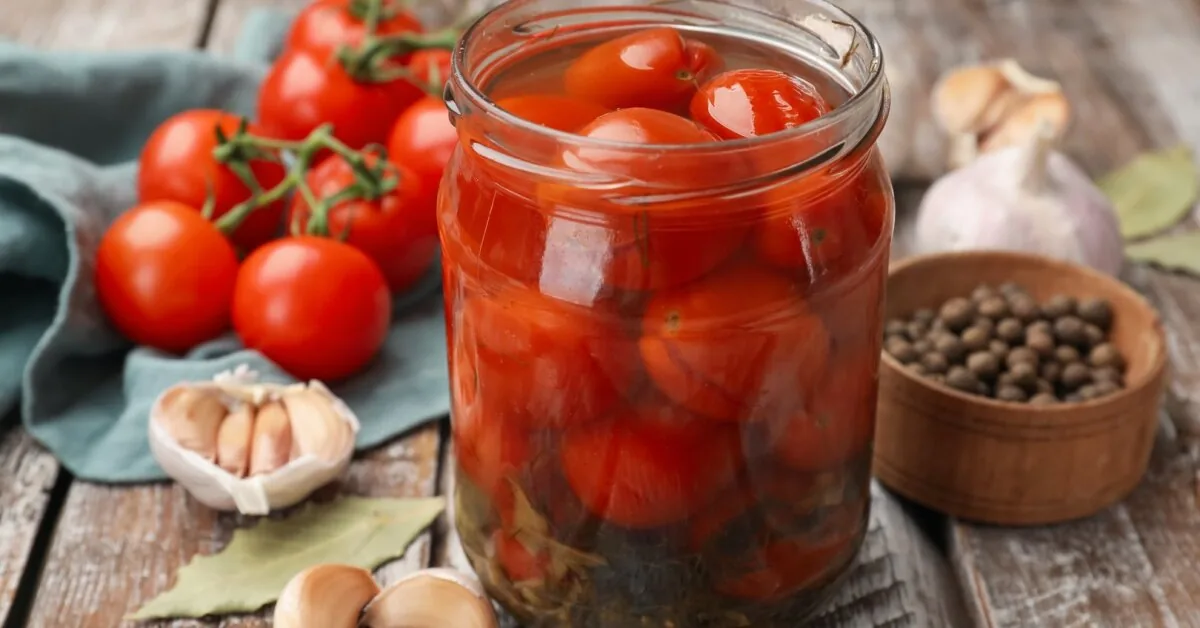
- Place the pepper halves or quarters into a clean three-liter jar in layers, packing them tightly together. While layering, insert garlic cloves, bay and currant leaves, dill sprigs, shaking occasionally. When the jar is full, pour the prepared brine over the vegetables and seal tightly with a lid to prevent air from entering.
- The peppers ferment well within a month.
Tip: vegetables placed in containers are covered with brine. Usually, cold water and salt are enough to prepare it – one tablespoon of salt per liter of water. If the vegetables are preserved for winter, a saltier liquid is needed.
Suvalkija-style Fermented Cucumbers

You will need:
- Small cucumbers,
- a potato,
- a pinch of coarse salt,
- a bunch of dill,
- a few cloves of garlic,
- 10 cherry and currant leaves,
- a tablespoon of mustard seeds.
Preparation:
- Pour cold non-chlorinated water into a clay pot and add a peeled small potato.
- Gradually, waiting for the salt to dissolve, add coarse salt until the potato floats to the surface.
- Remove the floating potato and put the small cucumbers into the salt water.
- Keep them warm, letting them sit in the brine for 1–2 days.
- Then pour off the liquid and transfer the cucumbers to a prepared jar with spices: dill, garlic, cherry and currant leaves, mustard seeds, pour water (no salt) over them, and keep at room temperature for 2–3 days.
- Afterwards, taste or move to a cellar or another dark cool place.
Tip: when layering cucumbers into the container, press them as tightly as possible to prevent them from becoming soft.