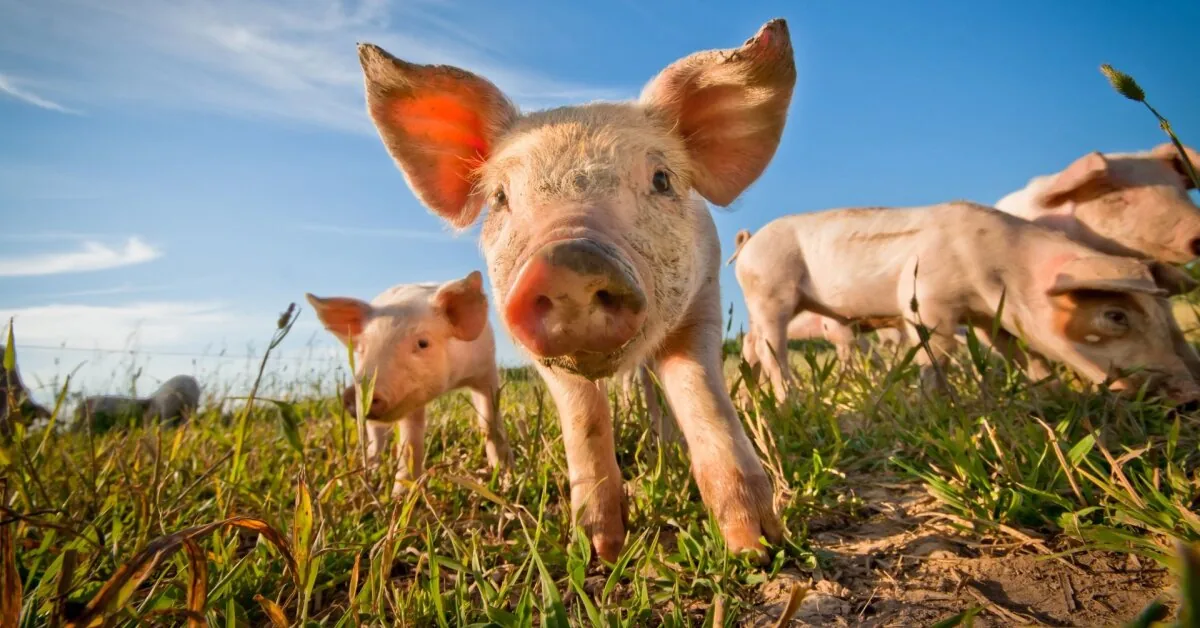
According to specialists, the risk of ASF spreading in summer increases due to intensified human movement in nature, more frequent visits to forests, and more active agricultural and field work. An additional threat is that pigs are fed freshly mowed grass, which is often used as a cheap feed source. For these reasons, in Lithuanian regions, especially infected ones, the likelihood of the virus being transmitted indirectly to pig farms increases: via footwear, clothing, vehicles, or equipment used on the farm that has come into contact with ASF-infected wild boar carcasses.
Read more Million-dollar claims from Germany’s Siemens Energy chase Lithuania’s strategic energy project
Veterinary specialists urge pig farmers, especially small farm owners, to remain highly vigilant and strictly adhere to all biosecurity requirements. According to experts, ASF outbreaks are most often detected on farms where preventive measures receive insufficient attention or are applied carelessly. Even one mistake or careless action can create conditions for the virus to enter and cause consequences for the entire livestock farm.
“The African swine fever virus remains highly resistant in the environment, so any relaxation or false belief that the disease will not affect a particular farm can have very painful consequences,” emphasizes Paulius Bušauskas, Deputy Director of VMVT.
According to him, currently there are no developed medicines worldwide, and no safe vaccines against African swine fever have been approved for prevention, so the only effective protection remains consistent and responsible adherence to biosecurity requirements in daily farm activities.
Pig farmers are recommended to constantly monitor the health status of the animals and immediately respond to any unusual behavior or health changes.
Read more KUL performed a rare operation that gave the patient hope to walk again
Specialists emphasize that even adherence to several key biosecurity principles can significantly reduce the risk of African swine fever infection. Before entering pig housing areas, it is necessary to change footwear and clothing, disinfect and thoroughly wash hands, and also limit visits by outsiders to the farm. These are simple measures, but they are extremely important for protecting the farm from the virus.
VMVT urges that if ASF or similar symptoms are noticed, such as: apathy, drowsiness, loss of appetite, elevated temperature, or if a pig dies – to immediately contact a private veterinarian or inform VMVT by filling out a form or calling the phones: 1879 or +370 5 242 0108. Pig keepers are also urged not to visit other pig farms or holdings to reduce the risk of spreading the infection.
According to VMVT data, currently no ASF outbreaks are recorded in pig farms in Lithuania, but the virus circulates widely in the wild boar population – this year alone, ASF has been confirmed in almost 1,500 wild boars. Precisely because of the ongoing virus spread in nature, adherence to biosecurity measures on farms remains especially important.
Biosecurity is the only reliable shield for farms against African swine fever, which is a highly dangerous contagious viral disease of pigs and wild boars. Every responsible decision and daily applied biosecurity measures help protect animals and farms.
Read more “Madman’s theory”: Trump threatens every eleventh person in the world