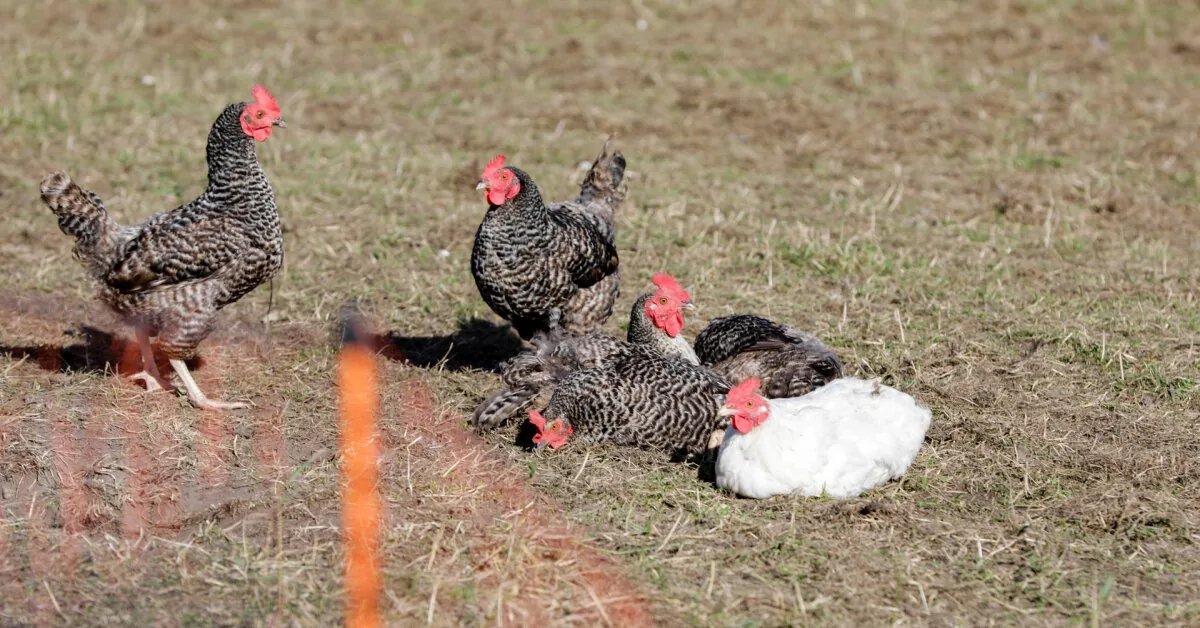
The bird keeper reported to the VMVT that since the beginning of July, the chickens became lethargic and started dying one after another. VMVT inspectors who went to the site collected samples for laboratory tests and confirmed Newcastle disease on July 15.
Read more A well-known restaurant for sale in Lazdijai district: named the price and reason
“Newcastle disease remains a real threat to all poultry farms in Lithuania, so the most important measures to control it are responsible vaccination application and strict compliance with biosecurity requirements. Although in this particular case additional restrictions will not be applied to surrounding poultry farms, with the increasing number of outbreaks in Europe, every bird keeper should assess the risk and take all preventive measures. It is equally important to immediately report any observed signs of the disease – early response also helps prevent the virus from spreading to other farms,” says Paulius Bušauskas, Deputy Director of VMVT.
This is already the second case of this disease in Lithuania this year. The first outbreak was detected in February 2026 at a farm in Vilnius district, where more than 40 domestic birds were kept.
Newcastle disease is currently spreading in Europe: most cases in 2026 so far have been registered in neighboring Poland (55), Germany (55), and Spain (26). This indicates that the virus is circulating in the region, so the risk of it entering new farms remains high.
Newcastle disease is a highly contagious viral disease of domestic and wild birds that can cause high bird mortality and significant economic losses to farms.
Read more EU asks the United States not to impose tariffs on wine and cheese
The most effective protective measures against this disease are strict compliance with biosecurity requirements and protecting domestic birds from contact with wild birds, as well as vaccination. Newcastle virus is spread not only by migrating wild birds – it also spreads through contaminated transport, footwear, equipment, and other indirect contacts. To reduce the risk of disease spread, it is necessary to strictly follow hygiene rules, regularly disinfect bird housing areas, and limit access of outsiders to farms. It is also especially important to constantly monitor bird health – early detection of suspicious signs and immediate reporting to VMVT can help control the spread of the disease faster and reduce its impact.
Vaccination against Newcastle disease helps effectively reduce the spread of the disease. In Lithuania, it is carried out voluntarily in commercial farms. VMVT also urges responsible acquisition of domestic birds. It is recommended to buy them only from approved, registered farms or sales points. When buying from small breeders, it is necessary to ensure that biosecurity is maintained and the birds are healthy. Birds of unknown origin, purchased illegally or without documents, may be a source of the disease.
Buyers have the right to request documents confirming the origin and acquisition of the birds, and sellers are obliged to issue a purchase–sale receipt, invoice, or other payment confirmation document. It is also recommended to choose birds vaccinated against Newcastle disease.
If birds become lethargic, lose appetite, start dying, or show other signs of the disease, VMVT urges to immediately contact a private veterinarian or report to VMVT – by filling out a form or calling the phones: 1879 or +370 5 242 0108 (also suitable for calls from abroad).
Read more Skirmantas Krunkaitis and Danielius Naumovas continue working in the Minister of Health’s team