When We Pass Our Anxiety to Children
According to Karolina Kančiauskytė-Beigė, a medical psychologist and psychotherapist at the Klaipėda branch of the Personal Health Clinic, we transmit emotions not only through direct words but also through certain behaviors, facial expressions, tone of voice, the overall atmosphere at home, and indirect comments. Thus, even unspoken anxiety can be experienced by a child as a signal that something threatening or very important is happening.
Read more Bad news «Temu»: The EU has made a decision
“After all, it is usually important by nature for a child how their parents see them, what they think about them; children often have the expectation to please their parents or at least not disappoint them,” the psychologist reminds and points out that the emotional well-being of a child is also influenced by the tension and anxiety felt at home. And when a child constantly feels tension, the body shifts into a heightened state of alertness.
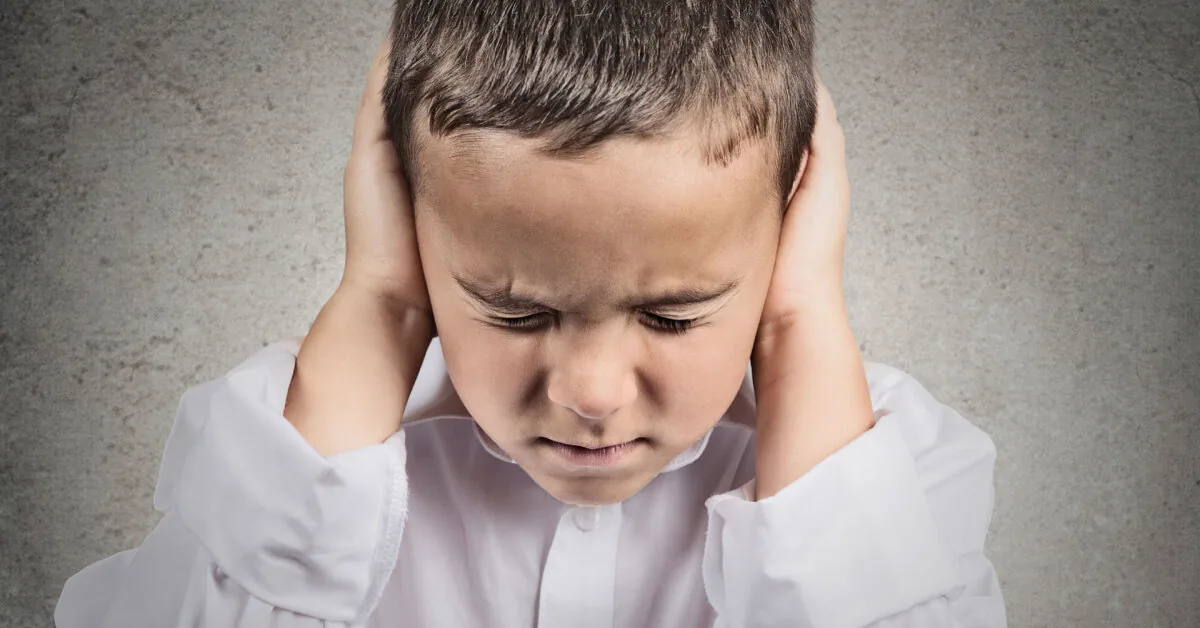
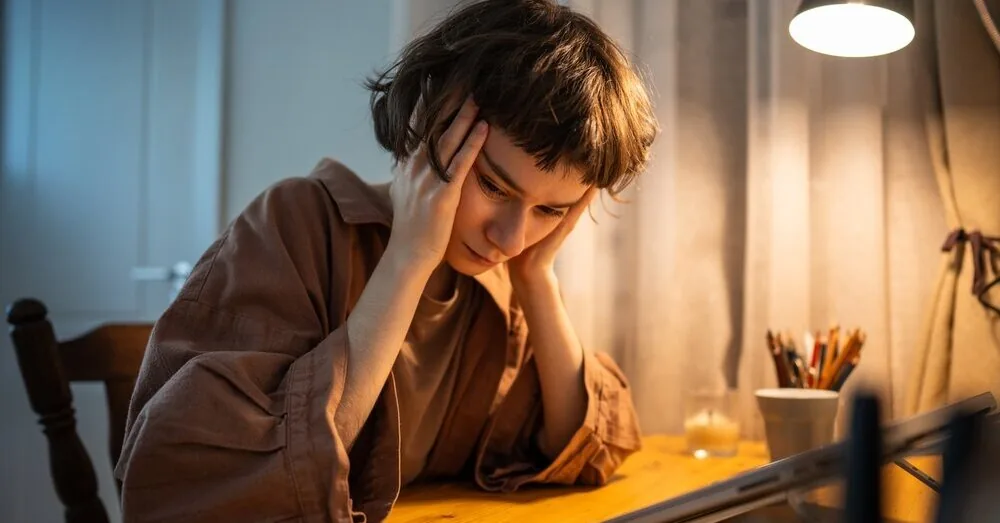
According to the specialist, anxiety or tension can be experienced by the child themselves but can also be absorbed from the parents’ emotional state. This condition can manifest as avoidance by the child (for example, avoiding preparing for exams, procrastination), stomach or headache, sleep difficulties, irritability, withdrawal, or a drop in motivation.

Sometimes hypercompensatory behavior also appears, where due to high anxiety and tension, the child studies excessively, preparing for the exam. Even if they can no longer do anything, cannot concentrate, they still do not allow themselves to rest, step back, sleep, or eat because “I have an exam and I must prepare for it.”
When We Cause the Greatest Stress
K. Kančiauskytė-Beigė emphasizes that the greatest stress often comes from constant control, comparison with others (for example, that someone else spends more time studying, learns better, already knows where they will enroll after exams), excessive focus on results, criticism, emotional coldness, or the message that love and acceptance depend on achievements.
“I would also highlight the undervaluation of a healthy work and rest regime. It may still be too difficult for the child to maintain a healthy work and rest routine, so parental help in this area is very necessary, especially in helping not to undervalue the importance of rest (sleep, food, free time),” says the psychologist.
She notes that attention should be paid to whether the parents themselves can apply a healthy work and rest regime and what example they manage to set for their children.
Sometimes there are unwritten rules in families (“we have to try hard,” “mistakes are unacceptable,” “results define value”). According to the specialist, these form certain beliefs in the child about themselves, others, and the world.
If the family holds the view that mistakes are not allowed or value depends on results, the child may experience strong perfectionism, shame, and fear of failure. Such feelings increase the anxiety and tension experienced about exams, especially about results, which may start to seem like a completely decisive factor for future life or even a kind of end of life if the results are not high enough.
“Imagine how much stress, tension, and anxiety a child feels when these exams emotionally are not only a test of academic knowledge but also a question of their worth as a person. Then, if I do not pass well enough (and sometimes that bar can be very high), do I become a not good enough person, not smart enough, or not worthy enough of something I want?” says the Personal Health Clinic specialist.
When Exam Season Becomes a Test of the Family’s Emotional Well-being
Children’s final exams can cause conflicts in parents’ relationships. Parents may have different expectations for the child, different views on the importance of exams.
According to the psychologist, parental conflicts or differing expectations place additional emotional burden on the child: “The child may feel responsible for the parents’ emotions (or even guilty that the parents are arguing because of them), feel tension due to their mutual conflicts, or try to satisfy both parents’ expectations instead of focusing on their own preparation.”
K. Kančiauskytė-Beigė also reminds of other stressors or events that complicate preparation and which cannot always be controlled or predicted (for example, relationships with peers, moving residence, health difficulties of the child or close relatives).
Moreover, the psychologist notes that the exam period often intensifies existing family communication, emotional regulation, or relationship difficulties, as it can be an emotionally tense period, thus becoming a kind of “test” of the emotional system.
Read more The years-long fight for the child ended at Kaunas Clinics – the result moved the doctors
During this period, it is possible to observe how different family members behave when they feel stress, how they interact with each other, whether they tend to cooperate or, on the contrary, withdraw and each try to “manage on their own,” whether conflicts arise and how they are resolved.
What Parents Can Do to Prevent Exams from Becoming an Emotional Burden
The psychologist emphasizes – it is important to be present, not controlling. A clear message helps: “Your efforts are more important than the result.”
“I really want to remind that there is no point in giving exams more importance than they actually have. Yes, exams are important, but they are not a life sentence, they are not an irreversible and unchangeable event that determines life, and it is not the end of life if the result is not what was expected,” stresses K. Kančiauskytė-Beigė.
According to her, perhaps parents understand this, but sometimes the transmission of this message is lacking, and the child only hears that passing well is very important and that it determines their life, and those exams become a much bigger and more frightening thing than they should be.
The specialist also advises parents to help create a routine, ensure rest (remind to go to bed on time, provide quality food, perhaps temporarily relieve certain household duties or additional other activities unrelated to the exam) and emotional safety, but leave the responsibility for studying to the child.
According to K. Kančiauskytė-Beigė, it is worth exploring the child’s worst imagined scenarios, what they fear most in that worst scenario – that they will not get into the desired specialty, that they will fail the exam, that they will disappoint parents, teachers, or others?
“Then I invite exploring how likely it is that this scenario will happen, and even if it does – what then; is it really the ‘end of the world’? It is important to avoid scaring, labeling, or dramatizing and to maintain connection even in moments of disappointment. As I said earlier, let’s not give exams more importance than they actually have,” says the specialist.
How to Get Through Exam Season More Calmly
For parents who feel great anxiety about the child’s future, the psychologist advises not to vent it on the child. Conversations with other adults, physical activity, sleep hygiene, limiting catastrophic “rumination,” and reminding oneself that exams are not a measure of life’s worth help.
“If the anxiety felt is very strong, I invite talking about it with a psychologist. It may be that the anxiety experienced is not about the child but about the parents themselves – perhaps it painfully touches certain of their own experiences, unfulfilled dreams, or certain fears,” notes the Personal Health Clinic specialist.
To better cope with anxiety, K. Kančiauskytė-Beigė suggests parents remember themselves or their previous experiences with the child, when the parents or the child felt anxiety, what helped then.
“Each of us can have very different ways that help calm down, so it is worth thinking about and remembering. Maybe a short walk with the dog helps, maybe visiting grandparents, or maybe playing a board game,” says the psychologist.
She emphasizes that it is very useful to maintain as stable a routine as possible – allocate time for eating, sleeping, define when it is time to study and when to rest. Conflicts at home should also be reduced, reminding oneself that everyone can naturally be more tense, so the risk of conflicts is higher.
“The most important thing is to maintain open communication and consciously create an atmosphere where mistakes are accepted as part of learning, not as a threat to the relationship or value,” the specialist reminds.
Read more Three people injured in Switzerland in an attack with a bladed weapon