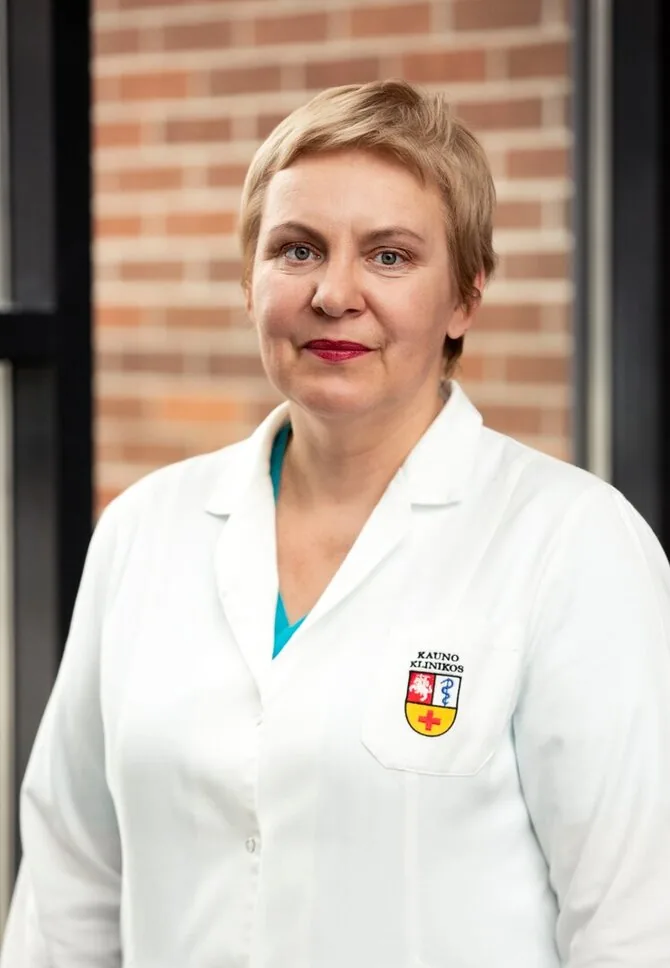
In recent decades, with the rapid decline in birth rates, effective assistance to couples seeking to have children has become especially important. “Modern treatment of fertility disorders is inseparable from assisted reproduction and continuously improving laboratory technologies,” notes Prof. Eglė Drejerienė, head of the Reproductive Medicine Center at Kaunas Clinics. “It is gratifying that in a relatively short time, the Reproductive Medicine Center at Kaunas Clinics has not only implemented treatment methods that meet the highest standards but also assembled a strong, professional, and empathetic team of specialists working together.”
Read more Three people injured in Switzerland in an attack with a bladed weapon
Even before starting the assisted reproduction path, family plans were unexpectedly halted by another diagnosis – Laura was diagnosed with hepatitis C. This meant that assisted reproduction had to be postponed. “It seemed that the plans to cradle a newborn were delayed again – first, the hepatitis had to be treated. Only after recovery could I return to the idea of pregnancy,” she recalls. The treatment was successfully carried out at Kaunas Clinics, and the couple was finally able to turn to the specialists at the Reproductive Medicine Center.
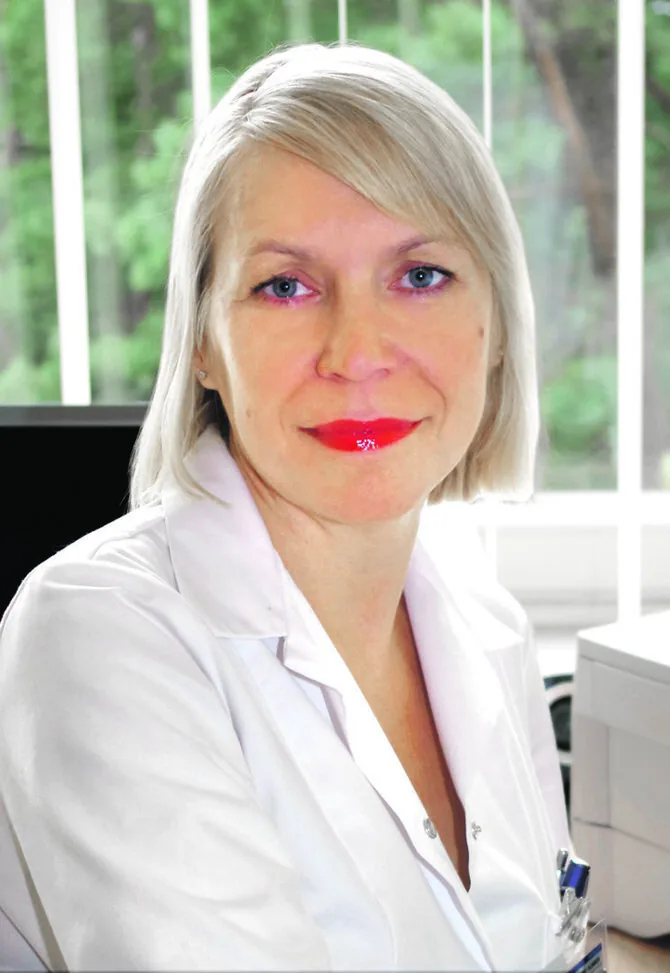
Obstetrician-gynecologist at the Reproductive Medicine Center of Kaunas Clinics, Prof. Dr. Laima Maleckienė, explains that after a thorough fertility examination of the couple, the cause of infertility was identified. “Within three months from the first visit, all tests necessary for assisted reproduction were performed, and an individual treatment plan was developed,” the doctor explains.
Laura was diagnosed with a reduced ovarian reserve, so individualized ovarian stimulation was prescribed, and after ovarian puncture, eight mature oocytes were obtained. Due to the identified male infertility factor, embryologists chose the intracytoplasmic sperm injection (ICSI) method, where one selected sperm is injected into each oocyte.
“Everything happened very quickly – we applied in January, and in February we already started stimulation. At that time, we didn’t even have time to realize what was happening, but we felt we were on the right path,” says Laura.
Using the chosen method, six oocytes fertilized, and on the fifth day, it was confirmed that three good-quality blastocyst-stage embryos had formed. However, embryo transfer to the uterus was not recommended during the same cycle. “The doctor openly said that we could try immediately, but the chance of pregnancy would be lower. We trusted the doctors unconditionally and decided to wait,” says Darius. The embryos were cryopreserved, i.e., frozen and stored at very low temperatures, and the transfer to the uterus was postponed to a later time.
Read more M1 Men’s expedition in Norway – a historic moment: «No one has ever done this before»
The couple returned to Kaunas Clinics in the summer. “We came with many fears and without high expectations. We knew it might not work,” recalls Laura. After properly preparing the uterine lining, one embryo was transferred. Although the couple was informed in advance that multiple attempts are often needed, this time the result exceeded expectations. “My wife’s pregnancy test was negative, but the next day we received a call and learned that the blood test confirmed the pregnancy. That day happened to be our sixth wedding anniversary,” Darius recalls with a smile.
According to Prof. Dr. L. Maleckienė, the chance of pregnancy after assisted reproduction depends on many factors, but the most important are the woman’s age and the number of mature oocytes obtained. “For women under 35 years old, the chance of pregnancy during the first assisted reproduction cycle at the Reproductive Medicine Center of Kaunas Clinics is nearly 50 percent, but scientific data show that on average up to four cycles may be needed before the treatment results in the birth of a newborn,” the doctor states.
Laura’s pregnancy period was not entirely calm – in the third trimester, she was diagnosed with obstetric cholestasis, which required multiple treatments at Kaunas Clinics. “It was very scary – it was the first time I was hospitalized. But every time I felt great support, everything was always explained, reassured, and solutions were sought,” says Laura. The pregnancy was closely monitored, and the delivery, although complicated and occurring early at 36 weeks of gestation, ended with the birth of a healthy boy.
The family emphasizes that throughout the journey they felt not only medical professionalism but also a human relationship. “From the Reproductive Medicine Center to the delivery room – there was not a single person who left negative emotions. Everywhere we felt that the medical staff cared about our story,” says Darius. According to Prof. L. Maleckienė, this story stands out not only for the successful result after the first treatment cycle but also for the couple’s trust in the team, patience, and consistent cooperation, which in infertility treatment is no less important than the most advanced technologies themselves.
At Kaunas Clinics, assisted reproduction treatment has been applied since 2019, with more than 500 procedures performed annually. The center employs a multidisciplinary team of specialists, uses the most advanced embryological technologies, and embryos are cultured in modern “time-lapse” incubators, allowing continuous monitoring of their development and selection of embryos with the best prognosis for transfer to the uterus. The experience and quality of work of the Reproductive Medicine Center specialists usually allow the choice of a single embryo transfer method, so the frequency of multiple pregnancies after assisted reproduction is comparable to the results of the most advanced European clinics, i.e., it does not exceed 5%.
Read more „Microsoft“ officially discontinues the popular app on all „Android“ devices