First signs – almost unnoticed
“The first signs of varicose veins are almost unnoticed, so people often attribute them to fatigue,” says Ramunė Uosienė, an expert at the BENU Pharmacy Healthy Skin Institute. “In the early stage, varicose veins may manifest as heaviness in the legs, aching or pulling, swelling around the ankle, burning, pulsating sensation, or night cramps. Small capillaries may also become visible. Symptoms often worsen in hot weather, after a long workday, or long trips.”
Read more Never do this: this parental mistake causes huge stress for the child before exams
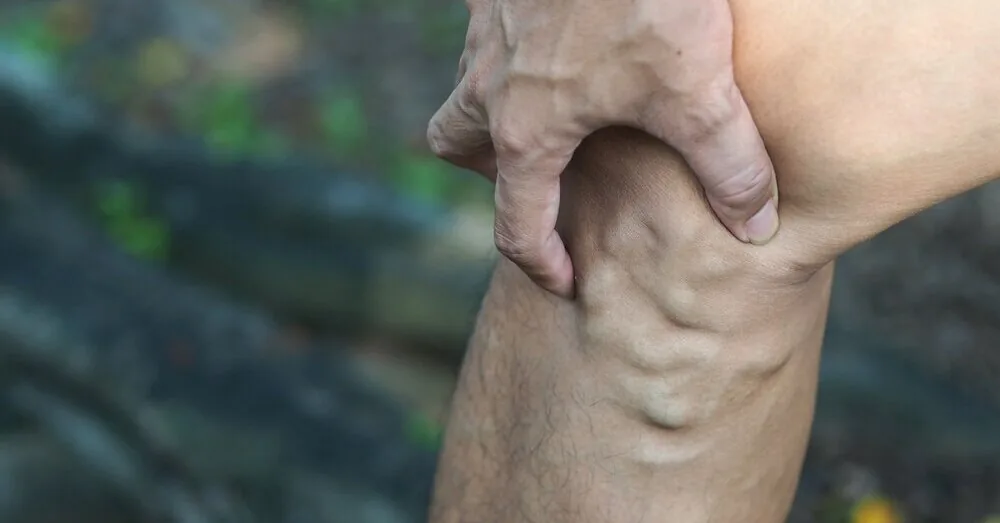
Advanced varicose veins are already visible externally: veins become dilated, twisted, raised, legs swell constantly, stronger pain, pulling, or even sensitivity when touching them appears. In more severe cases, hard-to-heal ulcers may form, usually in the calf area.
Women are more often affected
According to family doctor Julija Skirmantė from “Antėja,” varicose veins most often develop in the legs, but cases of vein dilation in the esophagus, stomach, and rectum also occur.
“Veins have valves that help blood flow toward the heart. When the valves start to weaken, their function is impaired, they no longer close fully, and some blood begins to flow backward, accumulating in the superficial veins. This increases the pressure on the walls, veins stretch, their shape deforms, and they become visible under the skin,” says J. Skirmantė.
The doctor emphasizes that women suffer from leg varicose veins up to twice as often as men. Hormonal factors, pregnancies increase the risk for women, while common risk factors for both men and women include heredity, age, sedentary lifestyle, prolonged standing or sitting, overweight and obesity, and heavy physical exertion.
Untreated varicose veins can lead to gangrene
According to R. Uosienė, varicose veins are still often considered only an aesthetic problem because many people first notice visible changes in the legs – prominent veins or small capillaries. Some patients only consult doctors when obvious external changes or stronger discomfort appear.
Untreated and uncontrolled varicose veins, according to R. Uosienė, tend to progress: “Uncontrolled varicose veins can cause constant leg pain and swelling, progressive skin changes, skin inflammations, superficial vein inflammation, chronic venous insufficiency, or even hard-to-heal trophic ulcers in the calf area.”
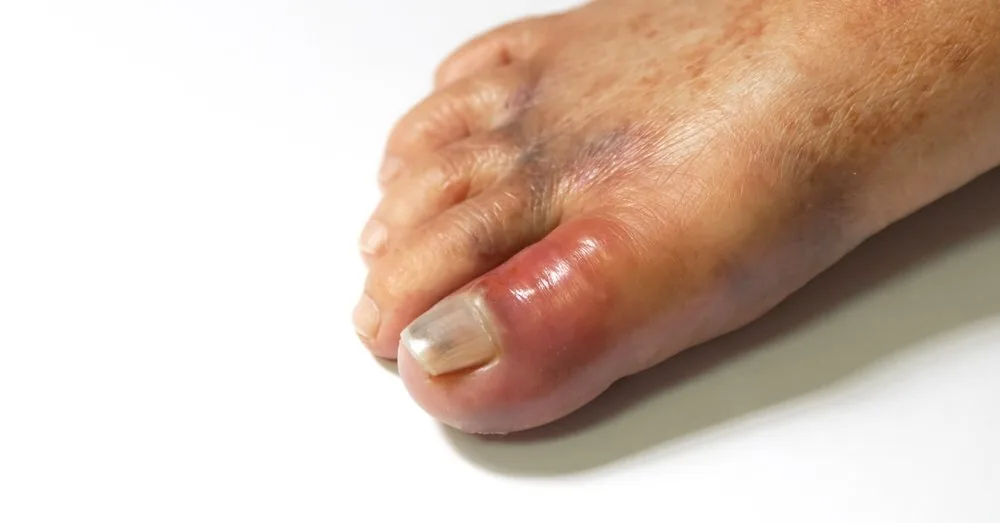
J. Skirmantė adds that if such ulcers are left untreated, gangrene may gradually develop, and limb amputation may be necessary. As varicose veins progress, the risk of venous thrombosis and chronic venous insufficiency significantly increases, according to the doctor.
Read more Bad news «Temu»: The EU has made a decision
“As blood flow in the veins slows down, it stagnates. If other risk factors are present, such as pregnancy, prolonged immobility, surgery, atherosclerotic vascular disease, or diabetes, the risk of thrombus formation and superficial vein inflammation increases. If a thrombus detaches, it can travel to the lungs and cause pulmonary embolism – a life-threatening condition,” says J. Skirmantė.
Treatment depends on the stage of the disease
According to J. Skirmantė, the severity of varicose veins is diagnosed based on the patient’s complaints, skin examination, and ultrasound examination. The stage of the disease is determined, based on which the most appropriate treatment method is selected. In early stages, treatment may be limited to lifestyle changes, compression stockings, and supplements that strengthen vein walls. In the moderate stage, when reflux is detected, sclerotherapy or laser ablation may be applied, where a laser fiber inserted into the vein emits heat that seals the vessel. In severe cases, interventional laser or surgical treatment is applied, combined with mandatory compression therapy and wound care.
R. Uosienė adds that in the early stages of varicose veins, daily habits that help improve venous circulation and reduce leg load are very important. Although they do not eliminate already dilated veins, they can slow disease progression and reduce symptoms.
Even with a genetic predisposition, risk can be reduced
“Regular movement is very important: walking, swimming, or light leg exercises. Long standing or sitting should be avoided – if the work is sedentary or standing, it is recommended to move regularly, exercise, and change body position. Weight control is also important because overweight increases the load on veins and can accelerate disease progression,” says R. Uosienė.
It is also recommended to wear preventive compression stockings, which help maintain vein function, reduce heaviness and swelling. R. Uosienė advises choosing comfortable footwear and avoiding very tight clothing. Also, as much as possible, heat should be avoided – hot baths, saunas, or prolonged sun exposure.
Varicose vein symptoms can be reduced with oral preparations often containing diosmin, hesperidin, rutosides, or red grape leaf extract. According to R. Uosienė, topical gels and ointments also help, but if symptoms worsen, a doctor should be consulted.
“Even with a genetic predisposition, prevention can be very important. Although heredity cannot be changed, proper daily habits can significantly slow disease development or help avoid severe symptoms for longer. Genetic influence does not mean varicose veins will develop early or severely. Lifestyle, type of work, physical activity, and body weight also play a significant role,” says R. Uosienė.
Read more The years-long fight for the child ended at Kaunas Clinics – the result moved the doctors