
Cardiologist Dr. Sirisha Vadali emphasizes that artery narrowing can continue for years. People sometimes only learn about the problem when chest pain, shortness of breath, or a heart attack or stroke occurs. Diet is one of the factors that can help protect blood vessels.
Read more „OTP Bank“ buying „Luminor“ operates in Russia – has 2 million clients.
Arteries narrow gradually
Atherosclerosis develops when cholesterol, calcium, and other substances accumulate in the artery walls. Over time, plaques form, which can narrow blood vessels and impede blood flow.
“This is one of the reasons why heart diseases can be so dangerous. Plaques can build up silently for many years before a person experiences common symptoms – chest discomfort, shortness of breath, or suffers a heart attack or stroke,” the doctor told the ‘Parade’ portal.
For this reason, it is important to know your blood pressure, cholesterol, and blood glucose levels. You should also tell your doctor about any family history of cardiovascular diseases and other potential risk factors.
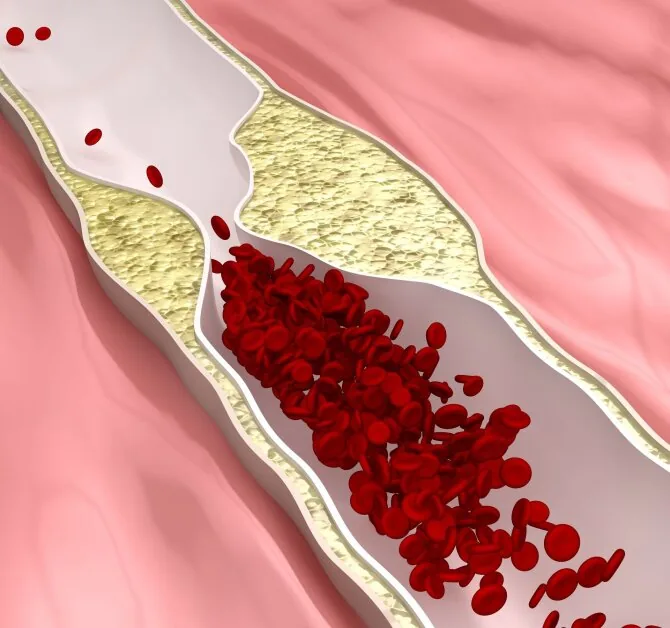
Atherosclerosis can affect more than just the heart. If plaques accumulate in the arteries supplying blood to the heart, chest pain or a heart attack may occur. Impaired blood flow to the brain increases the risk of stroke, and narrowed blood vessels in the legs can cause pain when walking and worsen circulation.
One dinner won’t clog arteries
The cardiologist notes that neither a single dinner nor a single specific product causes atherosclerosis by itself. An occasional very salty, sweet, or fatty meal is unlikely to cause significant harm if the daily diet is based on nutritious and minimally processed foods.
“Heart disease is rarely caused by a single food item or one unhealthy weekend. The most important factors are habits formed over time and their combination with other factors – genetics, elevated cholesterol, diabetes, high blood pressure, smoking, and a sedentary lifestyle,” explained S. Vadali.
For some people, lifestyle changes alone are not enough. Taking into account blood pressure, cholesterol levels, and overall risk of heart disease, a doctor may prescribe medication.
Processed meat is a concern
To protect the heart and blood vessels, S. Vadali advises against regularly choosing dishes rich in processed meat for dinner. These can include pepperoni pizza, pasta with sausages, or sandwiches with various processed meat products.
Read more US judge blocked Paramount’s deal to acquire Warner Bros.
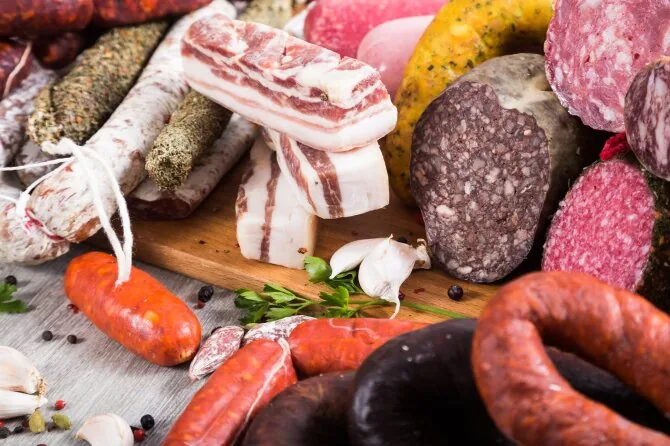
“Such products typically contain high amounts of saturated fats, sodium, and preservatives. Regularly consuming them can increase levels of bad, or LDL, cholesterol, blood pressure, and inflammatory processes. All of this ultimately increases the risk of cardiovascular diseases,” the cardiologist warned.
A 2023 analysis of studies showed that the consumption of both unprocessed and processed red meat was associated with a higher risk of cardiovascular disease. Other studies link frequent consumption of red and processed meat to increased plaque buildup in arteries.
However, the specialist does not advocate for a complete abandonment of such products: “This does not mean that you can never enjoy these dishes again. Moderation is key. However, I would not recommend eating them several evenings a week.”
What to choose for dinner?
Pizza with cheese and pepperoni can occasionally remain on the menu, but for daily dinners, the doctor suggests choosing fish, beans, lentils, tofu, or lean poultry more often.
For dinner, roasted chicken with vegetables and rice, bean or lentil stew, pasta with salmon and vegetables, or vegetable curry with tofu can be suitable. It is advisable to combine protein sources with vegetables, whole grain products, and sources of healthy fats, such as olive oil.
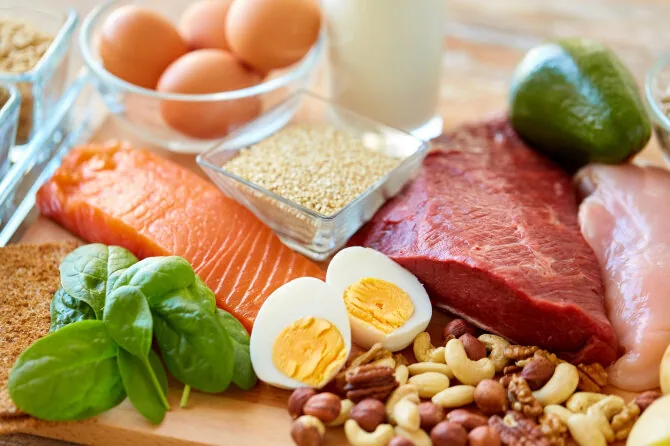
“Instead of just thinking about what to give up, think about what you can add to your diet. Salmon, beans, lentils, skinless chicken, or other less processed protein sources, along with vegetables, whole grain products, and olive oil, are much more beneficial for long-term heart health,” said S. Vadali.
Don’t wait for symptoms to appear
You should start taking care of your heart even when you feel well. Chest pain or shortness of breath may only appear when atherosclerotic plaques have already been accumulating in the arteries for years.
“The best time to protect your heart is long before you feel something is wrong. That’s why regular health check-ups, knowing your metrics, and small, sustainable lifestyle changes are so important,” emphasized the cardiologist.
Read more Relatives can also be childhood friends: «Yes, this is not a TV series!»
Prepared according to “Parade”.