










It is also important how the tea is prepared. Adding sugar or artificial sweeteners can reduce the benefits of the drink, and some herbal teas may be unsuitable for people with heart diseases, “Everyday Health”.
Read more In a duel with a WNBA star – an impressive performance by Juškaitė
1. Black tea – beneficial, but moderation is important
Black tea contains polyphenols and flavonoids – plant antioxidants that may help support vascular function and better circulation. It is also associated with lower blood pressure, inflammation, and more favorable cholesterol levels.

However, black tea contains more caffeine than other types of tea. Excessive amounts can cause faster heartbeats or increased blood pressure in people sensitive to caffeine.
Black tea also contains tannins. For some people, they can cause stomach discomfort and interfere with the body’s absorption of iron from plant products. Therefore, it is advised not to drink tea while eating or immediately after a meal.
2. Green tea may reduce cholesterol levels
Green tea is rich in epigallocatechin gallate, or EGCG, which has strong antioxidant properties. This compound may help protect blood vessels from the formation of atherosclerotic plaques.

Green tea leaves are processed less than black tea leaves, so they retain more beneficial plant compounds. Regular consumption of green tea is associated with a lower risk of cardiovascular diseases, lower cholesterol levels, and blood pressure.
Still, green tea contains caffeine. Additionally, the vitamin K in it may affect the action of some blood-thinning medications. People taking such medications should consult a doctor before regularly drinking green tea.
3. White tea is rich in antioxidants
White tea is made from young tea buds and leaves. It is minimally processed, so it retains many catechins – antioxidants that may help protect cells from damage.

This tea is also attributed with possible anti-aging and disease-protective properties. However, there is currently limited evidence on the specific effects of white tea on cardiovascular health, so more detailed studies are needed.
4. Oolong tea is attributed with various benefits
Oolong tea, like green and black tea, is made from Chinese tea leaves. The processing differs – before heating, the leaves are partially oxidized, giving the tea a distinctive flavor and composition.
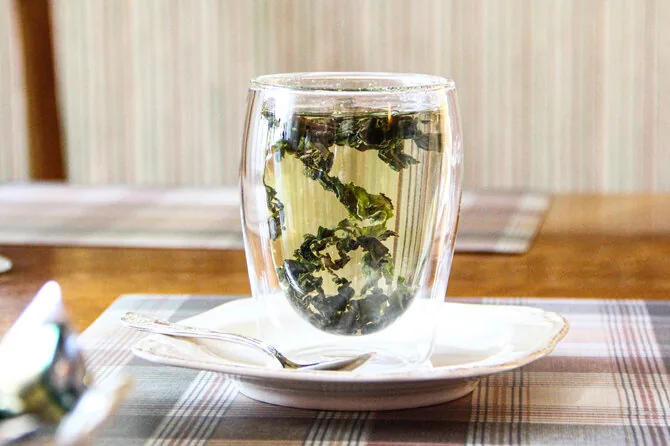
Some studies show that oolong tea may be beneficial for the heart, bones, and teeth. Research is also ongoing to see if it could help reduce the risk of certain diseases.
However, oolong tea is sometimes unjustifiably promoted as a weight loss aid. There is insufficient convincing evidence that this drink alone helps with slimming.
5. Chamomile tea may indirectly help the heart

Chamomile tea is best known for its calming effect. The flavonoids it contains may help relax and improve sleep quality. Quality sleep is also important for heart health, as chronic lack of it is linked to a higher risk of cardiovascular diseases.
However, chamomile can interact with some medications, especially blood thinners. People taking these medications should consult a doctor before drinking chamomile tea.
6. Ginseng tea – better than concentrated supplements
Ginseng root is traditionally used to increase energy, improve concentration, and overall well-being. Some studies suggest that ginseng may improve circulation and help reduce the risk of coronary heart disease, but more long-term studies are needed to confirm these effects.

Experts note that it is safer to consume ginseng as tea rather than concentrated dietary supplements. However, people with heart diseases or those taking medications should first consult a doctor.
7. St. John’s Wort tea may alter medication effects
St. John’s Wort is often used to alleviate low mood or depression symptoms, but it can dangerously interact with many medications.

St. John’s Wort can reduce the effectiveness of some heart disease medications, including digoxin and ivabradine. Therefore, people with cardiovascular diseases should not start drinking St. John’s Wort tea without consulting a doctor or pharmacist.
8. South African red tea – caffeine-free
Rooibos, also called South African red tea, naturally contains no caffeine. It has flavonoids with antioxidant properties, making it a suitable choice for people avoiding caffeine.
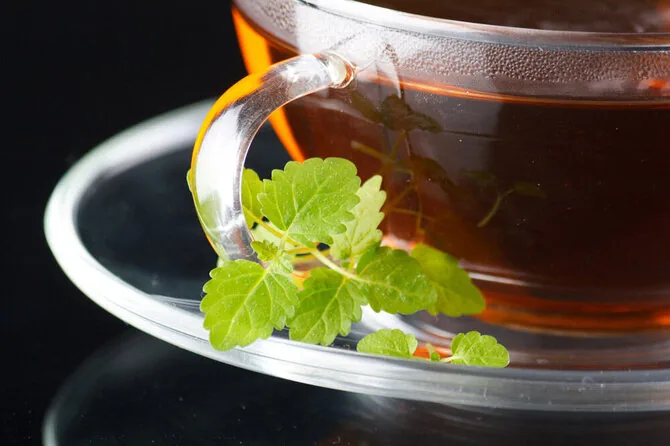
Although rooibos tea is attributed with various health benefits, research results are not yet conclusive. However, due to the absence of caffeine, it can be an alternative for people who experience palpitations or sleep disturbances from green or black tea.
One additive can negate the benefits
Even a highly regarded tea will not necessarily be beneficial if it contains a lot of sugar. Sweetened tea drinks and teas with milk, syrups, or other additives can have high sugar, calorie, and carbohydrate content.
To preserve the potential heart benefits of tea, it is best to drink it unsweetened or with as little sugar as possible. And for those with heart diseases taking medications, it is important to remember that “natural” does not always mean “safe”.
Read more Discoveries of the Venice Film Festival: 6 films already receiving «Oscar» predictions