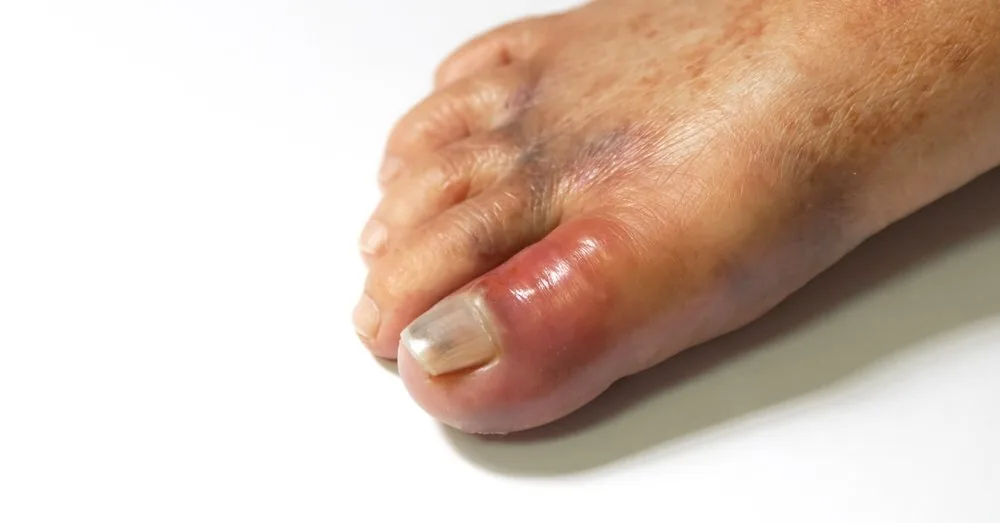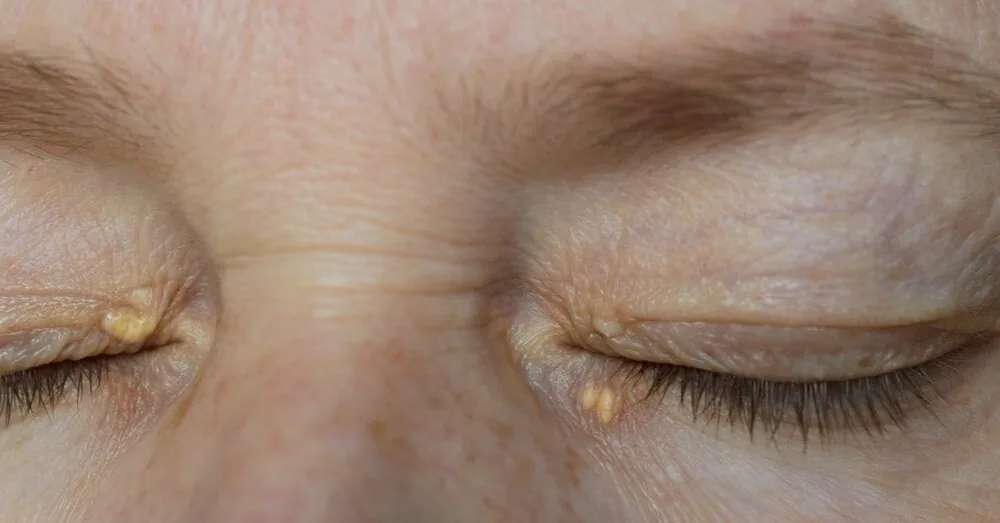
If you suspect suspicious symptoms or have doubts after unsafe sexual intercourse, it is important not to delay, not to be ashamed to see a doctor, and to perform the necessary tests on time – early detection of the infection usually makes treatment simpler, and the risk of complications and transmission of the infection to others is significantly lower, according to a press release from the health solutions center “Antėja”.
Read more Pentagon acknowledged: America is far behind Ukraine in this area
Summer is associated by many with holidays, travel, festivals, and new acquaintances. However, along with a carefree mood, the risk of making spontaneous decisions that can have long-term health consequences sometimes increases.
Urologist Martynas Stanionis says that the risk of STIs is always increased by unsafe sexual intercourse or frequent changes of sexual partners, so protection should be considered regardless of the season.
“Many sexually transmitted infections can cause no symptoms for a long time, so a person may not even suspect they are infected and can transmit the infection to a partner during that time. Asymptomatic courses are typical for many infections. Chlamydia often shows no symptoms, as does gonorrhea, especially in women. Human papillomavirus (HPV) infection is also often asymptomatic but can cause serious health problems over time. HIV infection can also be asymptomatic in early stages,” says the doctor.
So just because a person feels completely healthy, according to M. Stanionis, does not mean they are not infected.
“Regular testing after risky sexual intercourse or changes in sexual partners is the most reliable way to detect infection in time and protect both your own and your partners’ health,” explains the urologist.

Signs that should not be ignored
You should see a doctor if you notice any unusual symptoms – discharge from the urethra or vagina, burning during urination, rashes or sores in the genital area, pain during sexual intercourse, enlarged inguinal lymph nodes, or pain in the testicles.
“However, you should not wait for symptoms to appear. If there was unsafe sexual intercourse with a new partner or the partner informed you about a diagnosed sexually transmitted infection, preventive testing is a rational decision even if you feel completely well. Early detection of infection usually makes treatment simpler, and the risk of complications and transmission to others is significantly lower,” notes the specialist.
Read more Vilnius invites you to forest bathing: a special map with 10 locations has been presented
Untreated and long undiagnosed sexually transmitted infections can cause serious long-term consequences for both women and men. One of the most important is fertility disorders. Untreated chlamydia or gonorrhea can damage the reproductive organs and complicate the ability to have children.
Chronic pelvic pain, inflammation of the testicles or prostate can also develop, and women have an increased risk of ectopic pregnancy. Some infections, such as human papillomavirus (HPV) infection, are associated with a higher risk of certain oncological diseases. Moreover, a person who does not know they are infected can transmit the infection to their sexual partners.
When is the most rational time to get tested?
The doctor says there is no universal date for when tests should be done after risky sexual contact, as each sexually transmitted infection has a different incubation period and diagnostic window.
“Of course, if symptoms appear after risky contact, you should see a doctor immediately. But if there are no symptoms, the best time for testing is chosen individually. Usually, tests for chlamydia and gonorrhea can be done after a few weeks, while blood tests for HIV, syphilis, or viral hepatitis are recommended later, depending on the sensitivity of the specific test. In some cases, some tests may need to be repeated after a longer period,” explains M. Stanionis.
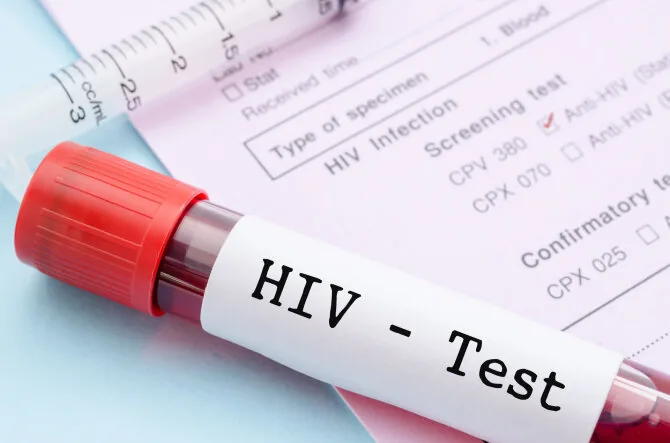
The doctor warns that the most important thing is not to choose tests independently based on lists found on the internet. A doctor, having assessed the specific situation, infection risk, and time elapsed since possible contact, will select the most appropriate tests and explain whether they are sufficient or if repeat testing will be needed later.
“Overall, I would like to emphasize that sexually transmitted infections are neither a sign of shame nor a problem of ‘certain people.’ They can affect any sexually active person. The most important thing is not to be afraid to get tested, to see a doctor in time, and to take care of not only your own but also your partner’s health,” encourages M. Stanionis.
Read more Famous Lithuanian designer mourns brutally murdered colleague: «Just one fateful moment…»