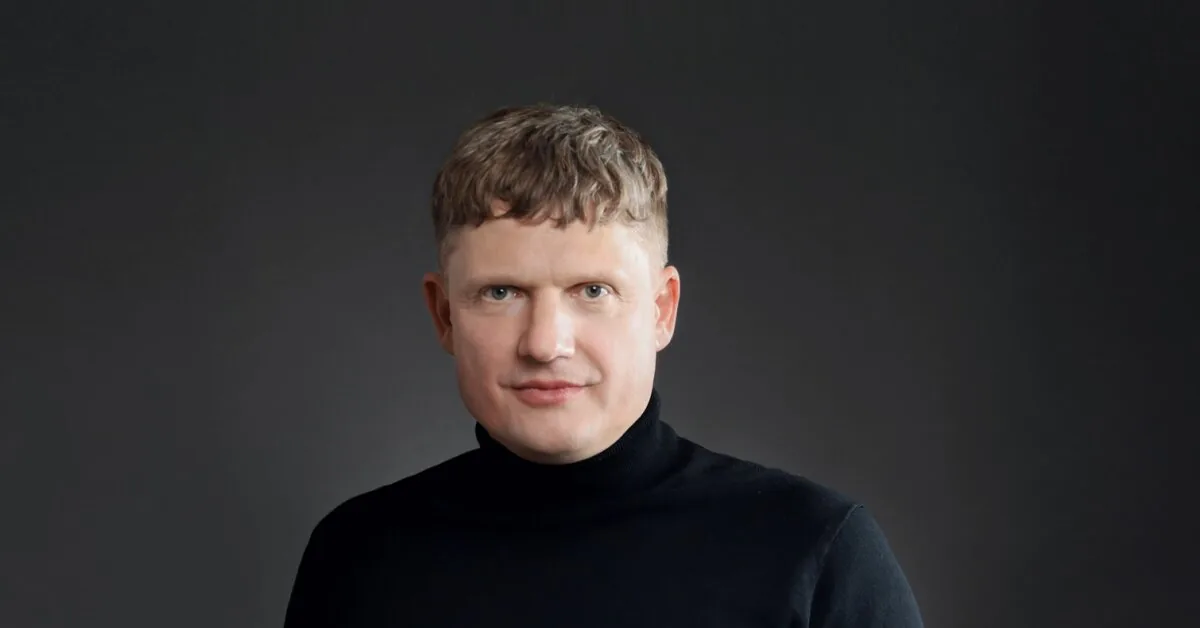









Psychiatrist Aurelija Vaitkevičienė says that the desire to understand what is happening with a person’s mental health is not inherently bad. In some cases, the patient assesses their condition quite accurately. However, problems arise when an answer obtained from the internet or artificial intelligence is accepted as an indisputable medical conclusion.
Read more From the road workers – the latest information about the flooded Avižieniai-Bukiškis roundabout
People have always sought to understand their illnesses
According to the psychiatrist, self-diagnosis is not just a phenomenon of the social media or artificial intelligence era. The difference is that today information can be obtained instantly, and a few symptoms entered into a search engine can suggest more than one possible disorder to a person.
“People have been searching for their illnesses for centuries. Perhaps the only difference now is that we have many more opportunities to find information very quickly,” notes A. Vaitkevičienė, who has been working in psychiatry for more than twenty years.
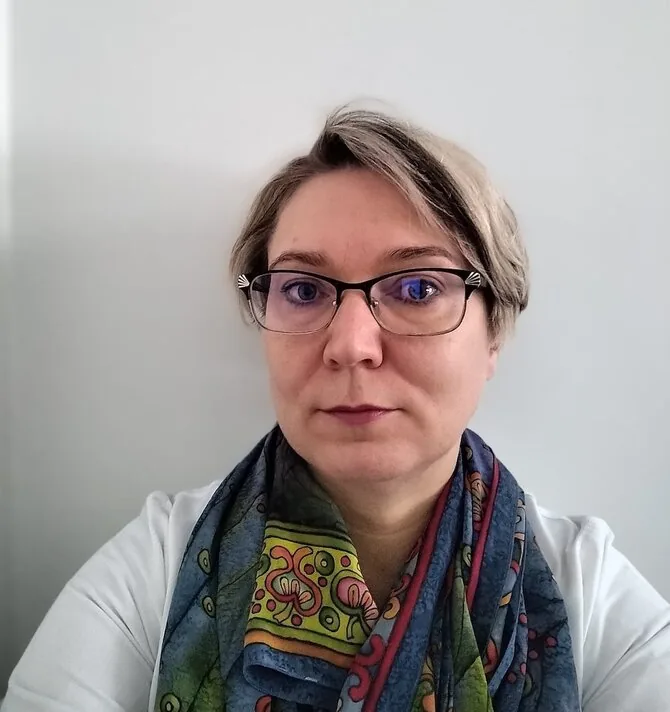
Interest in one’s health can be the first sign that a person recognizes having difficulties and is seeking help.
“If a person is trying to figure out what is wrong with them, it means they see a problem and are trying to understand how to help themselves. The most important thing is where such interest leads them and what actions they take next,” the doctor points out.
Many patients come to consultations already having a fairly concrete picture of their condition. According to the doctor, sometimes their suspicions are justified.
“Some patients correctly diagnose themselves. This even makes my work as a psychiatrist easier because we can start talking about real help options and appropriate treatment more quickly,” says the head of the Health Care Workers’ Trade Union at the Vilnius Republican Psychiatric Hospital.
A person comes already having a diagnosis and demands that the doctor confirm it.
It becomes more complicated when the patient no longer considers what might cause their condition but is convinced in advance of one version. Then the doctor’s assessment, if it does not match their expectations, may be perceived as unwillingness to help or lack of competence.
“It is bad when a person comes already having a diagnosis and demands that the doctor confirm it. Such cases do happen,” states the psychiatrist. She tells such patients directly when she sees no basis for their chosen diagnosis.
“I can say: our opinions do not match, so based on my knowledge and competence, I cannot confirm this diagnosis. Then I suggest discussing how else we could help the person. If my assessment is unacceptable to them, they have the right to consult another psychiatrist,” explains the doctor.
From depression to ADHD
At different times, different diagnoses become fashionable, which people use to explain their condition or behavior. About two decades ago, depression was probably the most frequently mentioned.

“When I started working, it was very popular to say: ‘I have depression.’ By the way, in many cases this diagnosis was indeed confirmed,” recalls A. Vaitkevičienė.
Later, more attention was paid to bipolar affective disorder. People often attributed it to themselves because it is characterized by alternating episodes of depression and very elevated or irritable mood – mania or hypomania.
Currently, according to the psychiatrist, the diagnosis especially “on trend” is attention deficit hyperactivity disorder, more commonly known as ADHD. It is a neurodevelopmental disorder associated with attention difficulties, hyperactivity, and impulsivity.

“A colleague from Denmark said about three years ago that this diagnosis would come to us. And here it is. It is not bad that people come for consultations, especially if they can critically evaluate information and listen to the specialist’s opinion,” notes the doctor.
Not only young people seek help for possible ADHD. Patients in their forties or older, who have lived with certain difficulties for many years, also begin to suspect this diagnosis.
Read more Nigerian who joined «Žalgiris»: «It still doesn’t feel real»
“Sometimes the question arises: a person has lived forty years, and now this diagnosis has become especially relevant – what would confirmation of it change? It is not always confirmed because other things may be hidden under such complaints,” warns A. Vaitkevičienė.
Psychiatrist usually refers patients under 30 who want to be tested for ADHD to colleagues specializing in the diagnosis and treatment of this disorder: “The examination can take time, and selecting medication, incorporating it into treatment, and further monitoring of the patient requires very careful work. Therefore, I refer to specialists who constantly work in this field.”
She consults older people by assessing their overall condition. If anxiety, depression symptoms, or other difficulties bother them, treatment may be prescribed to help reduce them, but this does not automatically mean confirmation of an ADHD diagnosis.
Diagnoses asked from “ChatGPT”
Previously, people more often heard the name of a possible illness from friends, acquaintances, or found it on internet forums. Now, artificial intelligence answers are increasingly relied upon.
“People use ‘ChatGPT,’ consult it, and feel like they know everything. However, cases where a patient categorically demands treatment for the diagnosis they have set themselves are still more the exception than the rule,” clarifies A. Vaitkevičienė.
During consultations, it is important whether the patient is ready to hear not only what they expected. Technology can provide general information, but it does not see a person’s behavior, cannot consistently evaluate their entire life history, condition development, and other possible causes of symptoms.

“One thing is what technology provides and what artificial intelligence says, quite another is the clinical experience of a specialist. If it is possible to establish a connection and cooperate with the patient, we can usually agree on how to move forward,” explains the doctor.
Where lies the danger?
The greatest danger, according to the psychiatrist, arises when a person who has diagnosed themselves does not consult a specialist at all or starts self-treatment.
It is dangerous when a person does not consult anyone and engages in self-medication.
“Even if a person with their diagnosis goes to one or several specialists, eventually they may come to the thought that maybe it is not correct. The opinion of several specialists means something. It is dangerous when a person goes nowhere and engages in self-medication,” emphasizes A. Vaitkevičienė.
She recalls a patient who was recommended not to limit depression treatment to medication but to start psychotherapy. “But he said: ‘I talk to ChatGPT, it gives me answers, and I feel very good.’ Maybe he thinks it is faster, cheaper, and there is no need to go anywhere. It sounded very strange to me because I knew that in this case artificial intelligence would definitely not help,” says the psychiatrist.
The psychiatrist points out that psychotherapy is not just receiving advice or prepared answers. Its basis is a therapeutic relationship developed over time, in which the specialist observes the person’s reactions, helps recognize recurring behavior patterns, and works consistently with the patient.
“This is completely different from what psychotherapy provides. The danger arises when a person, after consulting artificial intelligence, begins to think they are already being treated. I very much doubt that artificial intelligence will ever be able to create such a therapeutic relationship as forms between a patient and a specialist in a live conversation,” she says.
Demands a specific medication
Some patients come to consultations not only with a diagnosis but also with the name of the desired medication. “Sometimes a person demands to be prescribed one or another drug because a friend used it or a neighbor told them about it. It is good that antidepressants and other psychiatric medications cannot simply be bought at a pharmacy – they are prescribed by a doctor,” reminds A. Vaitkevičienė.
According to the psychiatrist, recognizing symptoms on the internet or social networks can encourage a person to seriously evaluate their condition and seek help. However, a few coinciding signs are not a diagnosis, and a “ChatGPT” answer is not a treatment plan.
Self-diagnosis can be the beginning of a conversation with a specialist. It becomes dangerous when a person no longer seeks an answer but decides in advance what answer the doctor must provide.
Read more Israel prepares to produce a fighter jet capable of competing with the F-35