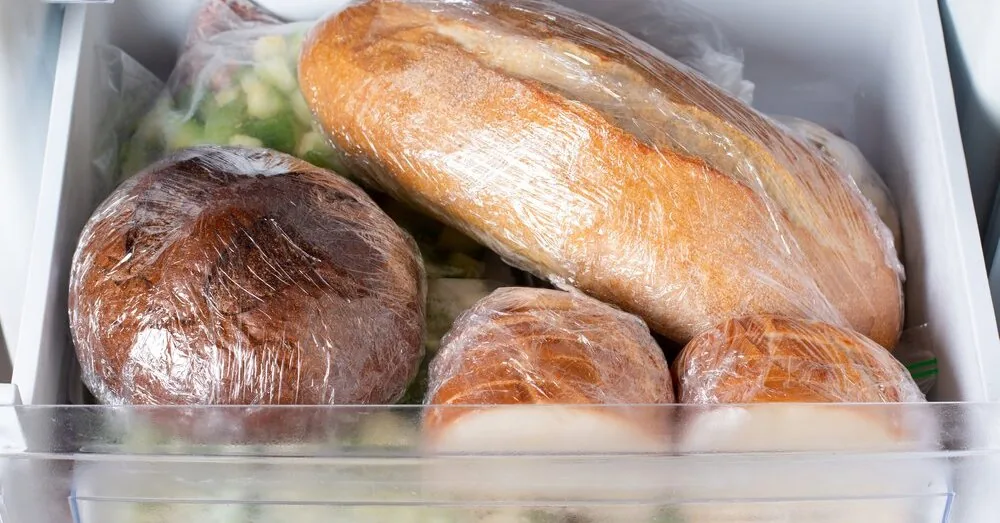
When bread is baked, starch molecules absorb water and become easily digestible. However, as bread cools or freezes, retrogradation occurs – starch molecules rearrange into a firm crystalline structure called resistant starch, according to “Huffpost”.
Read more This year about 0.5 million animals will be culled, the estimated damage amounts to millions
- What is it? Resistant starch is not absorbed in the small intestine, so it loses part of its calories and does not have a direct effect on blood sugar levels.
- Change in numbers: fresh white bread contains about 0.5–1.7% resistant starch. After freezing and thawing, this amount can increase to 1–3%.