“Potassium deficiency is very common,” says John Young, a researcher from Teesside University. “This is mainly due to poor diet – high consumption of highly processed foods and salt, as well as lack of awareness. If potassium levels are not extremely low and the person has no heart or kidney-related health problems, it is unlikely that this disorder will be diagnosed.”
Read more Decision to buy Finnish armored vehicles «Patria» – praise and «reserved» criticism
Potassium plays a very important role in nerve signal transmission, muscle contraction, and maintaining a regular heartbeat. It also helps regulate blood pressure by neutralizing the effect of sodium, encouraging the body to excrete excess salt – this mechanism is associated with a lower risk of heart attack and stroke, according to the “Daily Mail.”
“When a person is slightly deficient in potassium, their symptoms include cramps, often in the toes, constipation, they may appear tense, and some people also complain of headaches,” says Professor Young. “However, a person with a severe deficiency – which is actually quite common – may experience delirium-like symptoms, depressed mood, as well as effects on the heart, such as palpitations. Digestive symptoms and possible breathing difficulties are also likely.”
To avoid these symptoms, the NHS and the World Health Organization (WHO) recommend that adults consume 3500 milligrams (mg) of potassium per day. However, data from the National Diet and Nutrition Survey – a large, ongoing survey of dietary habits in the UK – shows that about 10 percent of men and 24 percent of women do not consume the recommended amount of potassium.
Data also showed that one-third of teenagers are deficient in this mineral.
A scientific study published in 2024 found that higher potassium levels in the blood, achieved through diet, were associated with a “significantly lower risk” – up to 24 percent lower risk of heart disease, hospitalization due to heart problems, or death from any cause.
Also, a 2016 review of studies showed that a potassium-rich diet reduced the risk of stroke by 20 percent. Experts say that simple dietary changes can help achieve the recommended potassium intake.
“Reducing salt intake is very important to maintain proper potassium levels,” says Professor John Young.
Read more Book «Writer» author: «I don’t want my book to become just another part of the noise»
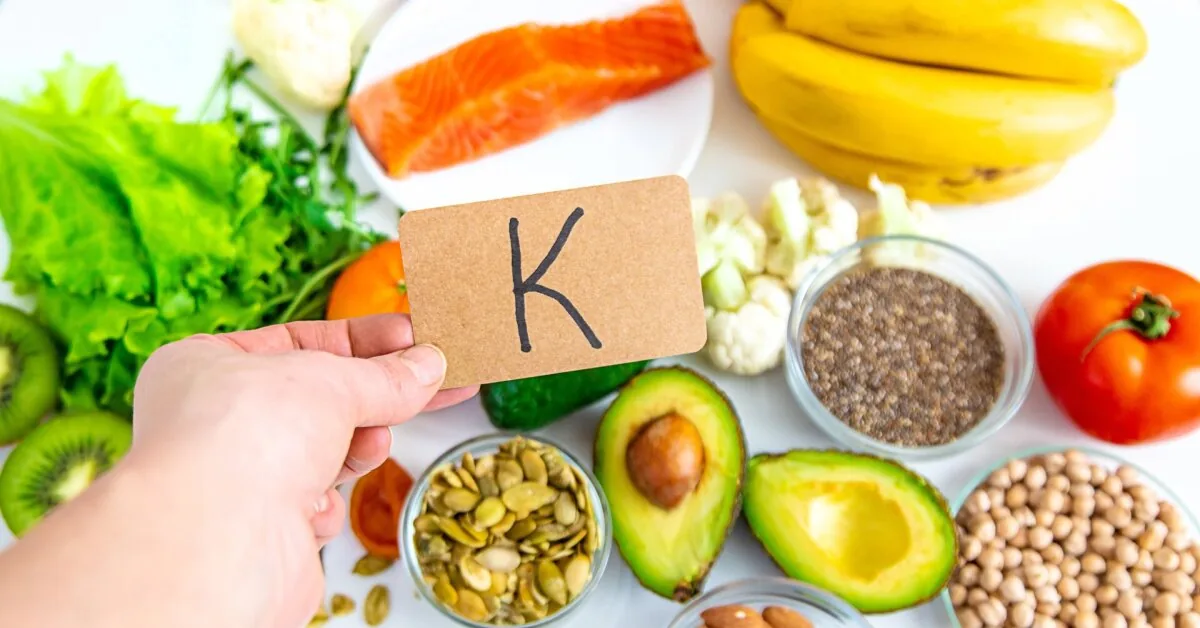
Experts say there are many foods people should include in their diet to increase potassium levels, and it’s not bananas. To meet the recommended daily allowance, you would need to eat about 10 medium-sized bananas. “Instead, a good source of potassium would be a baked potato with skin and beans, as well as leafy greens,” says Professor Young.
A banana contains about 500 mg of potassium, half a baked potato about 600 mg, and a cup of raw spinach about 450 mg. Other important foods are spinach, beans, baked potatoes, yogurt, bananas, fruit juices, and tuna.
For people with advanced kidney disease, a low-potassium diet is often necessary to maintain safe potassium levels. Severe potassium deficiency – called hypokalemia – is rare in healthy people with normal kidney function and is unlikely to be caused by insufficient potassium intake alone.
It is usually caused by things like severe nausea and diarrhea, use of diuretics (which increase urine production) or laxatives. Eating disorders and alcohol abuse are also risk factors. For most people, potassium deficiency can be controlled with diet, but there are signs people should watch for that may indicate they need to see a doctor.
If you experience chest pain or dizziness after mild physical exertion, such as climbing stairs, you should see your family doctor,” says Professor Young. “However, for most people, these symptoms should be a warning that their diet is not entirely adequate.”
Last August, Danish scientists found that a diet rich in bananas, avocados, and spinach can reduce the risk of heart failure and death by almost a quarter. Doctors found that increasing patients’ potassium levels – through diet, supplements, or medication – significantly improved their heart health.
Read more “Thermo Fisher” profit fell by half last year to 206 million euros, will not pay dividends