“Artificial intelligence often offers very easy, accessible, and pleasant solutions. But it is a very poor doctor – a lazy quack who also has a ‘diploma’, sources, but doesn’t even try to treat,” said V. Morozovas in the podcast “Lithuania is Healing” hosted by communication expert Laura Dabulytė.
Read more «Dragon’s teeth» have appeared on the Latvian border with Russia
The biggest AI problem is the lack of context
According to the doctor, artificial intelligence usually provides an answer based on how much information the person gives it. However, in medicine, one symptom or a short question is not enough.
“If you ask a very superficial question, for example, could it be heartburn, it will say – yes, it could be heartburn. But a normal doctor would start to dig deeper – ask what else is happening, how the person feels, whether there was a reaction to the medication. And then it may turn out that the problem is something else entirely,” said V. Morozovas.
The doctor says he notices that people today often look for the quickest answer, so often one comment on the internet or a short consultation is enough to create the feeling that the problem is already solved.
“A person hears the answer they want to hear, calms down, and leaves thinking they have already taken care of themselves. There is that feeling that the ‘checkmark’ is placed – I checked, I inquired, so everything is fine. Often this really can be the problem, but not necessarily,” shared the interlocutor.
Still, V. Morozovas emphasizes that artificial intelligence itself is not the problem. On the contrary – according to him, medicine in this area is moving very fast, it is just important to understand how to use it.
“Artificial intelligence is also being developed for medicine. You just need to learn how to properly formulate a query – say what level of sources you are looking for, what literature is needed, which studies to rely on. Then it can help select information and show really quality sources,” said the doctor, adding that it can become a primary source of information search, but it will not replace a doctor’s consultation and the ability to assess a person’s well-being.
Knowing about your health condition alone is not enough
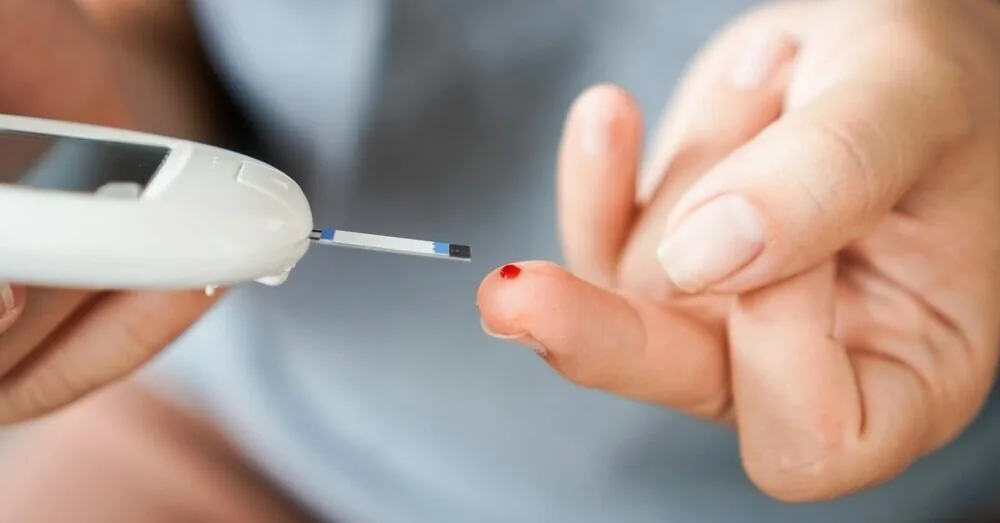
The doctor says he sees a similar attitude when it comes to tests. According to him, people today increasingly want to “test everything,” but often no longer know what those tests actually show.
“More and more people are getting tests, going to laboratories where there are programs, checks. They get tests that often show nothing, but they feel they have taken care of themselves. Even when we talk about cholesterol, people come every month to see if it has decreased, but when asked if they change anything in their lifestyle, it often turns out they do not,” said V. Morozovas.
According to him, that is why today more attention is paid to prevention, longevity, and overall well-being.
Read more In Vilnius – comprehensive renovation of V. Kudirka Street
“Most think that longevity is taking a bunch of pills and doing tests. No, that is not it. It is sleep, physical activity, maintaining muscle mass, and only then supplements,” shared V. Morozovas.
Speaking about monitoring well-being, the doctor says that smart devices or apps can also be useful, but they should not become more important than how a person feels in reality.
“A person comes and shows that the watch says the sleep was good, but he is tired. And his wife says he was waking up all night. I would trust the wife and my own well-being more,” smiled the doctor.
A good doctor today must do more than just prescribe medicine
Speaking about the relationship with patients, V. Morozovas says that medicine has changed a lot in recent years. If before a doctor usually just told what to do, today that is no longer enough.
“Before it was paternalistic counseling. You ask, you get – this medicine, that test. Now you need to explain to the person, convince, understand how things work,” he said.
According to the doctor, trust becomes one of the most important things in treatment because only then does a person really start to hear recommendations.
“Many come after a year and say – you gave me iron, it helped, so what did you say about weight? Maybe that will help too. That has to have a guarantee of trust. That is a good doctor, because if you don’t trust them, nothing will happen. If you don’t trust – look for a new one,” said the interlocutor.
So when asked what the most important test he would recommend to every person is, V. Morozovas singled out not a specific indicator, but the relationship with the doctor.
“I have one piece of advice – a conversation with a doctor you trust,” recommended the doctor.
Read more Defense, space or climate change? In Kretinga, young people learned how to distribute European funds