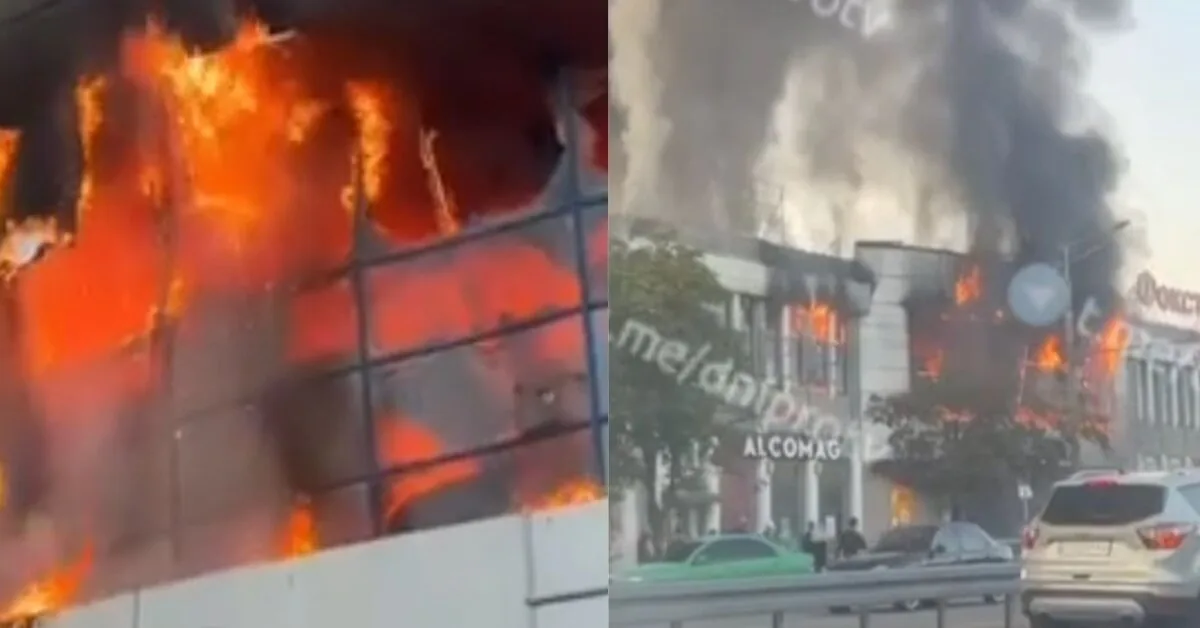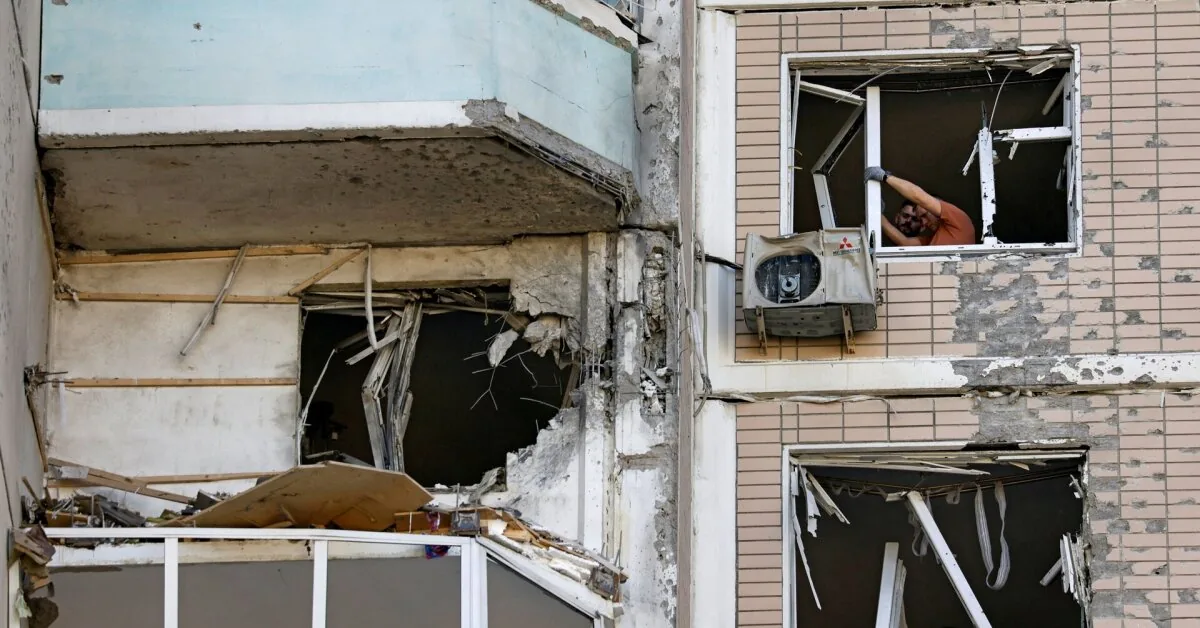
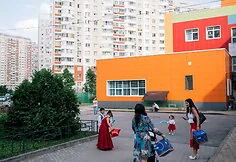
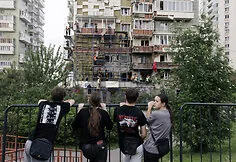
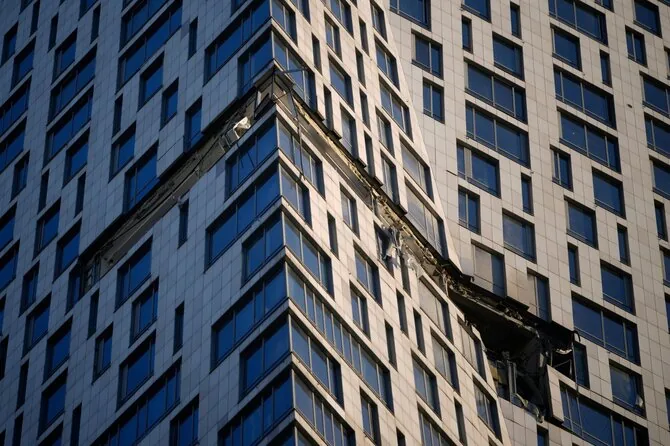
As Ukraine strengthens its long-range strike campaign against Russia, in mid-May the war caught up with Vadim if not at the doorstep, then on the roof. A Ukrainian drone carrying explosives crashed into the top floor of his apartment building in Khimki, a suburb of Moscow. Vadim lives there.
Read more Shocking story of the Spanish tennis player – the coach left him and blocked him
In total, during one weekend in May, 4 people were killed and at least 15 injured in the Russian capital during Ukraine’s attack campaign.
When I later visited Khimki, the broken glass had already been swept into a corner. But the residents were shaken. The conflict officially moved into the capital region, the Kremlin headquarters, which had previously been protected from it.
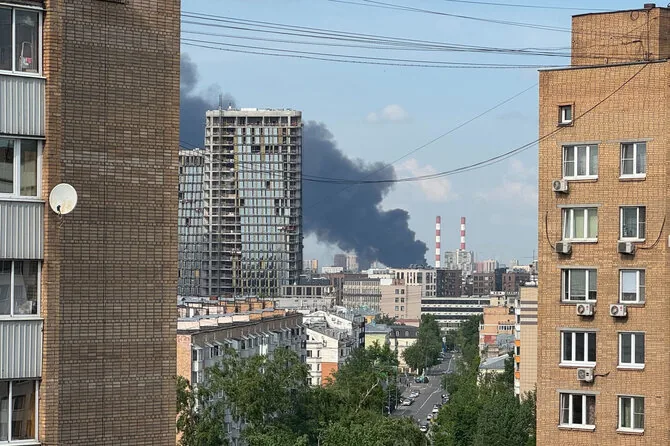
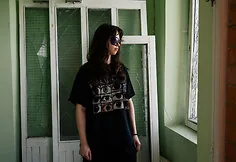
“Until now, we did not take the war seriously,” admitted 21-year-old Vadim, who, like some other people I spoke to, asked not to publish his last name, fearing possible repercussions.
“When it happens there, that’s one thing. But when it happens in your home, of course, it’s completely different,” the young man said.
Ukraine is launching many of its domestically produced long-range drones and cruise missiles into Russian territory, where they can reach targets up to 1600 km from the front line.
With these attacks, Kyiv is turning the dynamics of the war upside down: Russia has attacked Ukraine’s civilian infrastructure for more than four years and killed thousands of Ukrainians.
Ukraine’s campaign is primarily targeting Russian oil infrastructure to cut off the Kremlin’s main source of revenue for its war machine, and companies producing important technology for weapons.
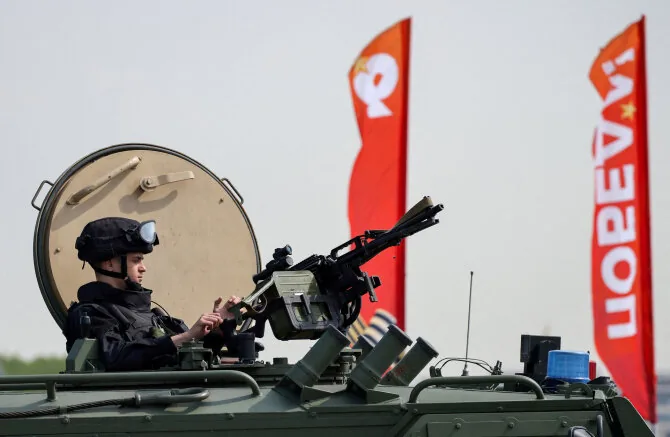
Although Ukraine claims to target only military-related sites, residential buildings in Moscow and its suburbs have been hit in the past month, allowing Russians to feel what residents of Ukrainian cities endure, suffering much greater hardships.
“It’s a complete nightmare,” said 53-year-old Letizia Lorans, owner of a beauty salon in Khimki. “Even now, when I remember it, my palms start to sweat.”
The woman said that upon hearing the first explosions overhead, she ran out of the house, fearing that if she stayed inside, she might be trapped in the basement.
“It seemed like they flew over us for so long and then exploded,” Letizia said about the Ukrainian drones.
“I thought I was having a panic attack, and now, when I go to sleep, I keep wondering if we will wake up or not,” she added.
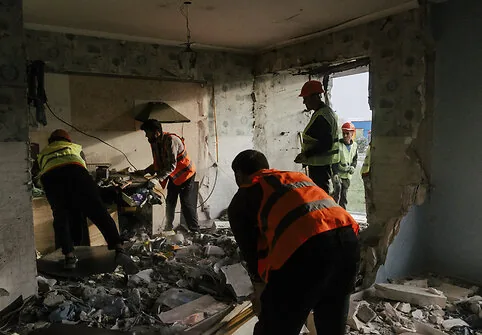
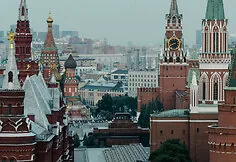
The woman admitted that residents do not have a proper way to receive warnings about upcoming Ukrainian attacks, as there are no sirens or alert systems, and authorities restrict the widely used Telegram platform, which can send messages.
Instead, Letizia watches whether flights are stopped at the nearby Sheremetyevo airport, which, as she noted, is not an ideal way to stay safe or sane.
Next to Letizia’s beauty salon, another woman said that drone strikes have become one of the reasons her opinion about the war is changing.
“I have started to wonder if it was really necessary to start this war, which has lasted longer than the Great Patriotic War,” said 84-year-old Tamara Alexandrova, referring to the Soviet Union’s involvement in World War II.
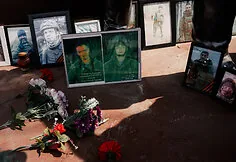
Tamara, living in a Stalin-era apartment building a few minutes’ walk from Vadim, pointed to a recently built monument dedicated to soldiers who died in World War II and in Ukraine.
Kremlin host Vladimir Putin still calls the current war a “special military operation,” even after independent researchers say it has claimed at least 352,000 Russian soldiers’ lives.
At the memorial, which reads “By protecting the past, we defend the future,” families of the dead carry photos, some already faded, and carnations.
“Look how many young men have died, and more are joining them,” the elderly woman lamented.
Even before the intensive Ukrainian shelling campaign began, dissatisfaction with internet restrictions related to the war and rising prices and taxes was already surfacing in Russia.
Read more Donald Trump says he is not yet satisfied with the agreement with Iran
An April survey by the independent Levada Center shows that 62 percent of respondents nationwide would like the war to end in the upcoming negotiations. Due to relative isolation from the war actions, this number was lower in Moscow: only 36 percent of the capital and its region’s residents supported it. However, the survey was conducted before Ukraine delivered a series of strikes.
“Ask anyone, everyone wants the war to end as soon as possible,” said Vadim’s friend Masha, lighting a cigarette outside her home.
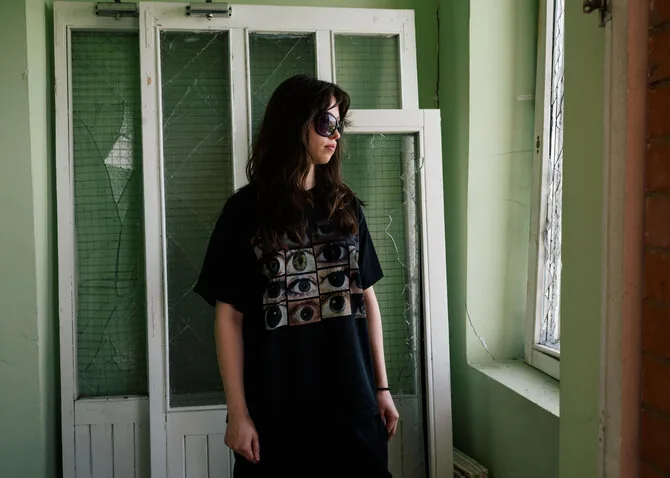
The 19-year-old girl opened up about her life: her adolescence was interrupted by the COVID pandemic, and now by the war in Ukraine.
“We cannot stop this war,” she emphasized. “We can only hope it ends as soon as possible.”
In the nearby village of Starbeyevo, a house collapsed due to a drone strike; a woman inside died, and a man was seriously injured. After this incident, 19-year-old Danil tried to explain to me how his thoughts about this war have changed.
“When it all started, I felt patriotism and rooted for my country,” said the student.
Now, Danil added, his pride is much smaller. When he talked about the recent explosions heard directly over people’s heads, his hands trembled.
“I don’t want to think about who is to blame and who is not,” Danil continued. “It’s like a game of great powers, and we are just low-level players. I am an ordinary person, and the only thing I get from this shitty war is constant nerves.”
Carefully choosing words so as not to discredit the Russian armed forces, which is punishable by imprisonment in the country, the young man admitted he feels “a sense of distrust in the state.”
In September, Russia plans to hold its first parliamentary elections since the start of the large-scale invasion of Ukraine – a staged event that will ensure a predetermined outcome.
Konstantin Remchukov, editor and publisher of the independent newspaper Nezavisimaya Gazeta, said that only a few Russians feel relief when standing at the ballot box. This is “because we do not have well-regulated mechanisms that would allow this anxiety to be turned into a political statement.”
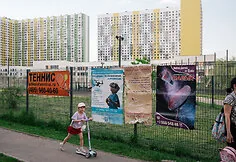
Half an hour northwest of Khimki is Zelenograd, one of Russia’s main microelectronics, semiconductors, and high-tech research centers. In recent attacks, Ukraine targeted several facilities and residential complexes there.
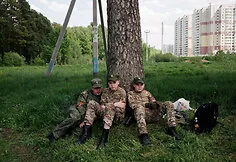
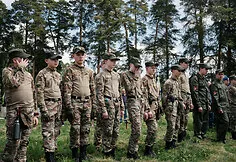
When black smoke began to rise from an oil storage facility in the Moscow region, a group of boys and girls gathered on church grounds. They had gathered to train in military and patriotic combat skills competitions. One of their tasks was to find out who could disassemble a Kalashnikov rifle faster and throw grenades.
Before the competition, priest Dmitry Poleshchuk said a prayer. He said he hoped the strikes would remind people of the need for faith.
“When life brings trials, say, when drones fly right over your head – that’s when you start to remember all the prayers you know,” Dmitry noted.
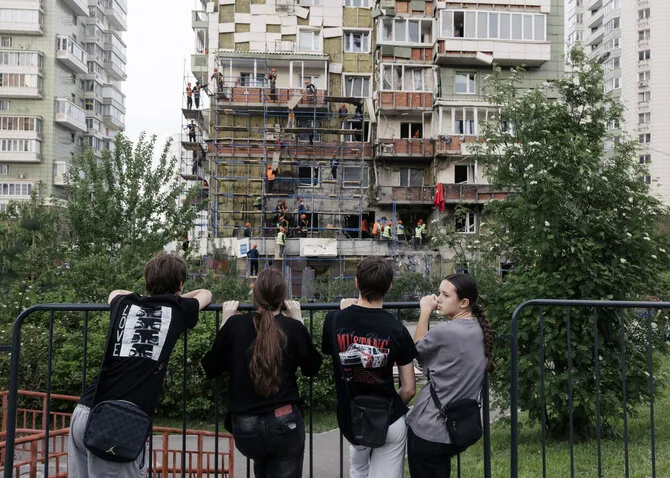
Near the apartment building hit by Ukrainian strikes, 44-year-old Maria said that drones flying toward Moscow were usually shot down before reaching Zelenograd.
Against this backdrop, residents discussed whether they should create special insurance policies against drone strikes. Some Moscow residents noted that the attacks still would not deter Russia.
62-year-old Alexander, who lived in Odessa for 35 years where his pro-Russian older brother still lives, said he wants Russia to keep fighting.
His words sounded like propaganda from a state media show. The man denied Ukraine’s right to sovereignty and accused the United States and the United Kingdom of allegedly fueling the war: “They want to force Slavic brothers to kill each other.”
The war lasts so long, Alexander continued, only because Moscow cares about Ukrainian lives.
His advice? “We should be tougher,” the man said bluntly.
This article was published in The New York Times.
© 2026 The New York Times Company