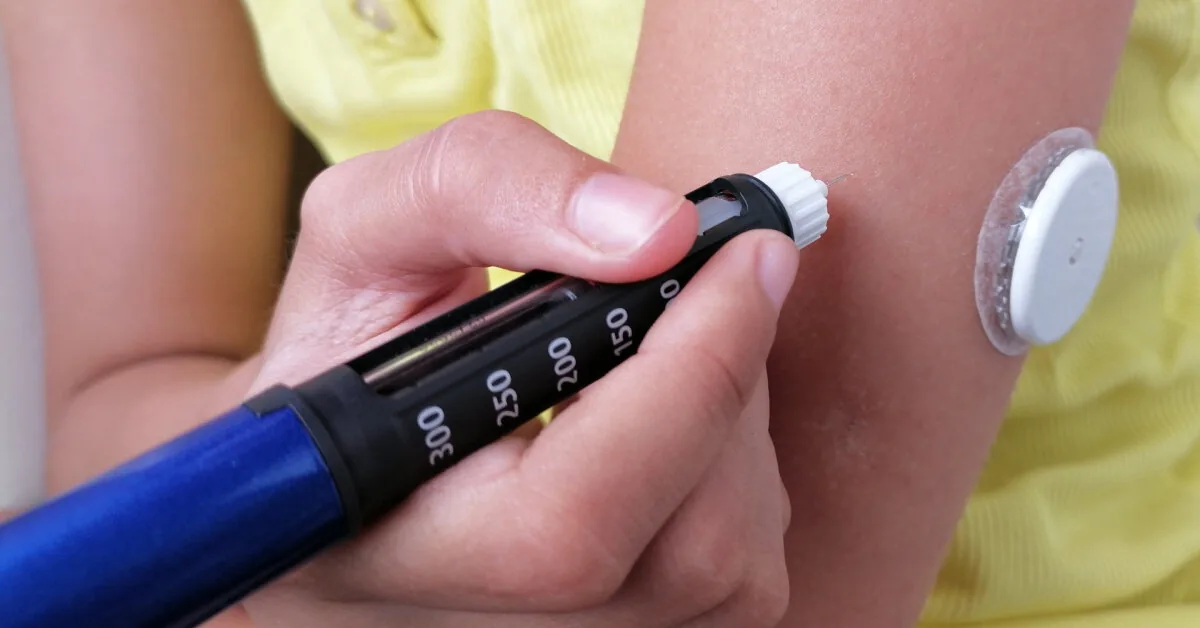
Diabetes is divided into two types – I and II. Type I diabetes is an autoimmune disease in which the body’s immune system destroys the pancreatic cells that produce insulin. The interviewee says that there are not many people suffering from this form of diabetes in Lithuania, approximately 10,000 people. Type II diabetes is a chronic metabolic disease in which the body becomes resistant to insulin or does not produce enough of it. There are significantly more people with Type II diabetes in Lithuania.
Read more Ordinary holidays are no longer enough for employees: business adapts to changed expectations
Symptoms differ
According to the specialist, the risk of type II diabetes is increased by overweight, low physical activity, age, and genetic predisposition. The exact cause of type I diabetes is still unknown: “People often don’t know the difference between these types and sometimes even blame a child with type I diabetes for eating too much sugar, even though these are completely unrelated things.”
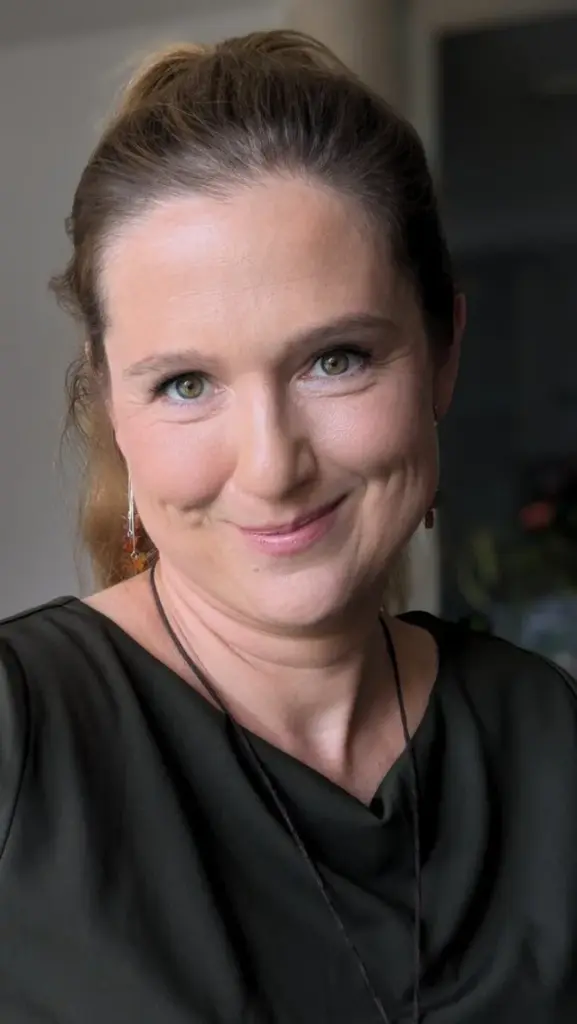
According to her, when type I diabetes develops, the symptoms are quite easy to notice: frequent urination, intense thirst, and weight loss due to imbalanced metabolism. When the body can no longer cope with fluid deficiency and changes in the blood, diabetic ketoacidosis can develop – a threatening and life-threatening condition.
Eating vegetables and then a pastry will have a different effect than eating a pastry alone.
Type II diabetes, according to Laura, can cause no obvious symptoms for a long time, making it more difficult to recognize: “A person does not feel significant health changes, and it can only be detected by a blood test. Unfortunately, people often live for many years with undiagnosed type II diabetes or even advanced complications.”
Technology that allows you to forget about diabetes, at least occasionally
However, today there are countless technologies that help solve this problem. But Laura notes that everyone striving for the best quality of life and health must invest an enormous amount in themselves and their understanding of their condition: “A person must see what factors harm their health. By eliminating or correcting them, they can achieve extremely good results.”

Artificial pancreas technology can be applied to type I diabetes. This is an automated system that mimics the work of a healthy pancreas, regulating insulin delivery to the body according to real-time glucose levels. This system consists of 3 main elements: a glucose sensor – a sensor inserted under the skin that measures glucose levels every few minutes, an insulin pump – a device that continuously delivers insulin through a small cannula under the skin, and a control algorithm – software (often on a smartphone, pump, or separate controller) that analyzes data and automatically adjusts the insulin dose.
According to the interviewee, this technology, although it does not eliminate diabetes, allows many people to approach the quality of life they had before the diagnosis: “A person with type I diabetes has to make thousands of decisions per day: what, when, and how to eat, how much insulin to inject, how to combine insulin administration and physical activity, how to maintain glucose stability when feeling unwell, tired, with changing hormones, mood, and so on. Technologies significantly help reduce this burden.”
Key tips – very simple
The essential principles of what to do when suffering from diabetes, according to Laura, are the same as for those who are not ill: first, one should eat healthy, unprocessed food, be physically active, and control overweight, as insulin resistance is most often associated with obesity.
Without changing diet, reducing overweight, and increasing physical activity, type II diabetes cannot be managed.
Read more Kazakhstan’s leader to Vladimir Putin: the war in Ukraine should end
It is worth paying attention to your diet – eating as much plant-based and varied food as possible, green and colorful vegetables, as they contain fibers necessary for our body, which ensure gut health. A healthy gut contributes to diabetes control. “Fibers slow down carbohydrate absorption, reducing glucose spikes after meals. Eating vegetables and then a pastry will have a different effect than eating a pastry alone,” says Laura.

Proteins are also extremely important for the body. Plant-based proteins are excellent for those who do not eat meat, and it is also important to choose sources of healthy fats and Omega-3, such as fatty fish, nuts, or seeds.
Even very young children or people without overweight or other health problems can develop type I diabetes, so it is always treated with insulin. A healthy diet and physical activity help manage the disease better, but do not replace insulin.
For those with type II diabetes, lifestyle correction is a crucial part of treatment. Oral medications are often prescribed, but they alone are certainly not enough: without changing diet, reducing overweight, and increasing physical activity, type II diabetes cannot be managed.
No medication will help if these aspects are not controlled.
“Stress and lack of sleep have a very significant impact on quality of life. Even in a healthy person, glucose can be constantly elevated simply due to chronic stress, during which not only mental health but also the physical body suffers. Many health problems also begin with lack of sleep, and chronic sleep deprivation significantly contributes to the development of overweight, as when we don’t get enough sleep, we start to eat more and move less because we simply don’t have the energy for it,” says Laura.
Complications are frightening
Diabetes, according to the interviewee, is dangerous due to its complications, which are most often associated with damage to small blood vessels: “Small blood vessels are in our eyes, nerves, kidneys, and therefore diabetes damages these organs. Large blood vessels, such as those of the heart, can also sometimes be damaged.”
Thus, the most common complications are impaired vision, kidney damage or failure, and impaired sensation. Although these complications sound threatening, Laura says that they can be avoided or delayed by controlling diabetes – by monitoring blood glucose levels, choosing the right diet and physical activity, and controlling sleep and stress: “No medication will help if these aspects are not controlled.”
“Upon hearing the diagnosis, first of all, you need to listen to doctors, because there is a lot of misinformation on the internet, and then – actively educate yourself. The most important thing is the diagnosis, so you need to learn to live with it, and if it’s difficult – don’t be afraid to seek help from specialists. Our thoughts and body are connected, so psychological help can aid in diabetes control. And a healthy and calm lifestyle is important not only for those with diabetes but also for everyone who wants to live healthily and long. Changing your attitude changes your life,” smiles the interviewee.
Funded by the State Public Health Promotion Fund (state budget).
Read more 10 dead, another 100 injured: organizer of bloody exhibition in Kyiv region arrested