As experts note, multi-day recreational trips are becoming popular, and it is possible to actively travel or relax even over a weekend. Companies are also forced to think about how to offer more flexibility to their employees.
Read more Kazakhstan’s leader to Vladimir Putin: the war in Ukraine should end
“People are increasingly choosing not one long vacation, but several shorter periods of rest or entertainment during the year, utilizing weekends, holidays, or even spontaneously planning a short getaway. This is reflected in our data – last year, sales of leisure offers grew by about 14 percent, and this year, growth is already approaching 20 percent,” says Vainius Žalimas, head of “Dovanų sala”.
There is also a significantly increased interest in leisure offers on weekdays. One of the main reasons is significantly lower prices, as well as lower occupancy of hotels, SPA centers, and other leisure facilities compared to weekends.
“Short leisure packages, SPA visits, tastings, and active entertainment are becoming popular. Such experiences allow one to quickly change the environment, step away from daily routine, and get quality rest even in one or two days. According to our sales data, the accommodation category remains the most popular, accounting for more than half of short-term leisure offer choices, followed by SPA offers and gourmet experiences,” notes V. Žalimas.
During the summer season, the most noticeable trend is the growth in sales of seasonal entertainment, such as nature retreats or flights. The purchase of holiday offers on the coast also significantly increases, although SPA relaxation or hotel stays remain in demand throughout the year.
However, increasingly, people are choosing not only accommodation itself but also complex experiences that allow combining relaxation and entertainment in one trip.
“People choose what leaves an impression, not just a one-time service. As a result, the average basket value is gradually increasing, as expectations for the experience itself are also growing,” adds the interviewee.
Companies also offer “getaways”
These trends are also influenced by how employees change their vacation habits. Although the Labor Code stipulates that employees should take an uninterrupted two-week vacation at least once a year, the remaining vacation days are sought to be used as flexibly as possible, notes Andrius Francas, partner at the personnel selection company “Alliance for Recruitment”. Younger employees, in particular, choose shorter trips, combining vacations with weekends or holidays, thus creating more opportunities for a brief break from the work routine.
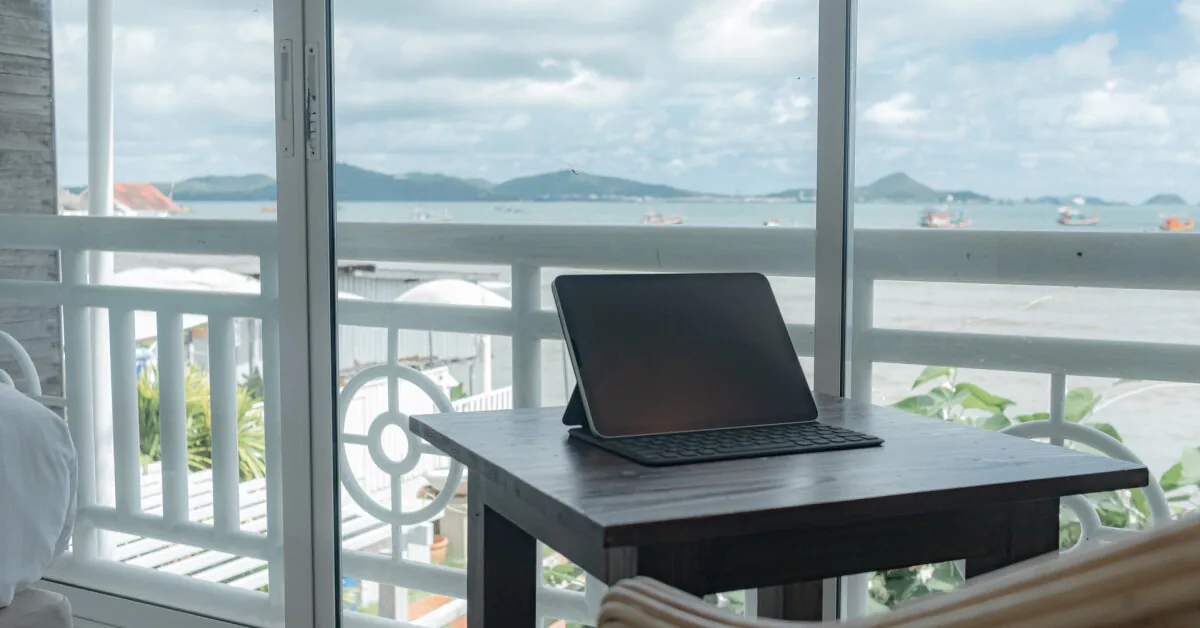
Along with remote work opportunities, so-called “workations” have also become popular, allowing one to work from a different location for a certain period. However, employers usually expect employees who travel to remain in a similar time zone, so they tend to choose to relax in Lithuania or other European countries.
“This practice allows changing the environment without losing the work rhythm, and many organizations already allocate a certain period each year when employees can work remotely from a location other than their usual workplace. Technological advancements have further expanded such opportunities. Reliable internet connection and developed infrastructure in the European Union make it easier for employees to work from other cities or countries,” states A. Francas.
According to him, overall flexibility today is becoming one of the most important criteria for employees when choosing a workplace, and the opportunity to periodically change the work environment becomes an additional motivational tool for many.
Read more 10 dead, another 100 injured: organizer of bloody exhibition in Kyiv region arrested
According to the expert, such a short-term change of workplace can indeed have a positive impact on employees’ well-being. A new environment helps to step away from routine, stimulates creativity, allows one to “clear their head,” especially if working closer to nature or by the sea.
However, workations are not equally attractive to everyone. For some, it’s an opportunity to combine work and travel; for others, it’s additional stress. Employees’ life situations also differ: some travel independently, while others combine work with family needs or childcare.
“More and more organizations are abandoning uniform benefits for all employees and providing the opportunity to choose how to utilize the additional benefits budget. Alongside sports clubs or other welfare measures, additional remote work or workation days are emerging, allowing employees to choose the most suitable option for them,” says A. Francas.
They created the workation spot themselves
Investment fund management company “Demus Asset Management,” together with the fashion accessories brand BURGA, recently opened a new co-working space in Nida, equipped with 45 workstations.
As Rita Rotaru, asset manager at “Demus Asset Management,” explains, more and more specialists are looking for places where they can maintain their usual work rhythm, but at the same time change their environment and step away from daily routine. Workations, in this case, are gradually becoming a standard work format in Lithuania.
“This very trend prompted the decision to establish a co-working space in Nida. The idea was born out of a desire to meaningfully utilize existing premises and at the same time respond to an obvious market need – there was no shortage of people coming to the resort to work remotely, but they lacked a professional workspace adapted for this purpose. A calm environment, nature, and the lagoon panorama help to step away from the daily pace, reduce tension, and make it easier to concentrate,” notes R. Rotaru.
According to her, short getaways are popular among both individually working specialists and corporate teams, although their needs differ. Individual employees more often make decisions spontaneously and come to the resort for a few days or a week, while organizations plan such trips in advance, combining work with strategic sessions or team building.
“Although the greatest interest in workations remains during the summer months, September, October, or even November can become an attractive time for corporate strategic sessions and team trips, when the resort becomes calmer, and the changed environment helps to re-evaluate goals and prepare for a more intense period of the year,” says the company representative.
She predicts that workations will increasingly be valued by employers in the future as an investment in employee motivation and better well-being.
Read more Italian minister offered an advisor’s job to the dismissed Ukrainian defense chief