Recent studies show that properly chosen movement is not a risk for people with heart disease. Movement, according to specialists, helps maintain not only better circulation or heart function. Regular physical activity reduces the risk of complications, strengthens the body, and even improves emotional well-being. The most important thing is that physical exertion must be properly selected, individualized, and safe.
Read more Šventoji: cottage owners feel thrown out, the priest does not want a slum
According to cardiologist Paulius Orda, the old understanding that a person with heart disease should rest as much as possible and avoid physical activity is now considered outdated.
“A whole generation of people grew up who were not allowed to exercise from youth because it was believed that it could harm the heart. Previously, people with heart disease were even exempted from physical education classes. However, today the latest scientific evidence has changed – the European Society of Cardiology unequivocally emphasizes that regular physical activity is very important for those with heart disease. Physical activity is necessary for each of us – both healthy and sick,” says the doctor.
The European Society of Cardiology unequivocally emphasizes that regular physical activity is very important for those with heart disease.
According to him, one of the biggest mistakes patients make is starting to avoid movement as soon as they learn their diagnosis. Although the fear is understandable, too little activity often becomes an additional problem: muscles weaken, circulation worsens, physical capacity decreases, and even simple daily tasks require more and more effort.
“We must unequivocally encourage a person with cardiovascular disease to maintain activity. First of all, because activity helps maintain muscle tone, which is very important for circulation, microcirculation, and even cognitive functions. Movement is essential for a person because the less they move, the faster their functional condition deteriorates,” emphasizes P. Orda.
Heart disease is not a reason to stop moving
The doctor points out that there is no single answer to how much and how to exercise,
However, one rule applies to almost everyone: complete inactivity is usually a worse choice than properly adapted physical activity.
“The European Society of Cardiology, whose recommendations we rely on in daily practice, clearly states that physical activity is recommended for people with cardiovascular diseases. Even patients with heart failure are usually recommended aerobic-type exercises – walking, cycling, lighter physical activity. The most important thing is that the load is adapted to the individual person,” explains the doctor.

According to him, physical activity is important not only for the heart. Movement improves the overall condition of the body, helps control body weight, lowers blood pressure, improves sugar control, strengthens muscles, and can even have a positive effect on emotional well-being.
Is 10,000 steps really necessary?
In recent years, the most frequently heard recommendation is to walk at least 10,000 steps daily. However, according to P. Orda, the latest scientific data show that this number is not a universal rule.
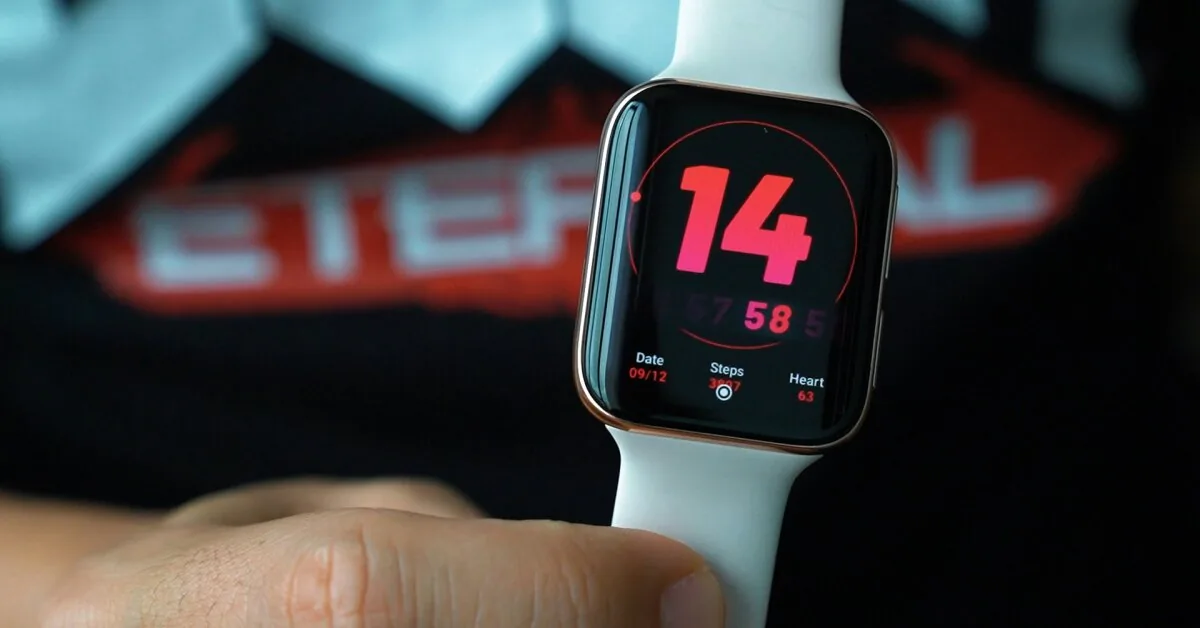
“In 2025, a study published in one of the most well-known medical journals, The Lancet, analyzed that perhaps a smaller daily step count would suffice. People who walk 7,000 steps were compared with those who walk 2,000. The results showed a very clear benefit – walking about 7,000 steps per day can reduce overall mortality risk by up to 47 percent and reduce the risk of developing heart and vascular diseases by about 25 percent,” says the doctor.
Walking about 7,000 steps per day can reduce overall mortality risk by up to 47 percent and reduce the risk of developing heart and vascular diseases by about 25 percent
According to him, this is important news for people who feel unable to reach the 10,000-step mark.
“Some patients say: I walk those 10,000, but barely. The latest data allow us to understand that health benefits can be obtained with a smaller amount – there is no need to torture yourself or feel bad if you cannot reach that symbolic limit,” explains P. Orda.
How to understand when the load is too much?
Although physical activity is recommended, the doctor emphasizes that the most important principle is individuality. For some, a safe load will be a long walk, for others – only shorter exercises.
“We cannot tell everyone the same thing: go exercise more. First of all, it is very important to assess how a person tolerates physical exertion, what symptoms they have, whether physical activity causes chest pain, rhythm disturbances, severe shortness of breath, or fainting episodes. These are signals that cannot be ignored,” says the doctor.
According to him, a person should not be afraid to get a little tired – during physical exertion, the pulse should increase, and a feeling of fatigue should appear. However, there is a limit that should not be crossed.
“If chest pain, progressive shortness of breath, or severe discomfort occurs during physical exertion, it is a sign to stop. The load must be one that the person tolerates. They should get tired, the heart rate should increase, but symptoms indicating that the body is already overwhelmed should not appear,” explains P. Orda.
How do doctors select the appropriate load?
To accurately assess what intensity of physical activity is safe for a particular person, surveys alone are often not enough. In such cases, doctors use special tests.
According to P. Orda, one of the most accurate methods is spiroergometry – a heart and lung load test.
“During it, the patient wears a special mask, pedals a bike, or walks on a treadmill. At the same time, we evaluate how the body absorbs oxygen, how the heart and lungs work, and what loads the person tolerates. This allows us to very accurately determine safe training limits and individually recommend how to increase physical exertion,” the doctor explains.
According to him, this is considered a kind of “gold standard” worldwide, but in Lithuania, such tests are not yet easily accessible to all patients.
Life after a heart attack: is exercise possible?
One of the most common fears is whether a person can return to a more active life after a heart attack. According to P. Orda, there is no single answer because much depends on how much the heart was damaged.
“Physical activity after a heart attack is usually planned during rehabilitation when the person is monitored by a cardiologist or rehabilitation specialist,” he says.
According to the doctor, a significant number of people after a heart attack can return to a completely normal social and physical life, even exercising similarly to before the illness.
Not only walking is important
Although walking or other aerobic activities are most often discussed, the doctor reminds that strength exercises are no less important for the body.
“Recently, more attention has been paid not only to walking but also to muscle strengthening. It is important to maintain arm and leg strength – light exercises, resistance bands, arm strengthening exercises, or even simple wall push-ups can be suitable. Not only walking but also maintaining strength is very important for good functional condition,” says P. Orda.
According to him, the most important rule for people with cardiovascular diseases remains simple – do not be afraid to move, but do so responsibly, monitoring your well-being and consulting a doctor if necessary. Movement today is considered not an additional option but an important part of treatment.
Funded by the State Public Health Promotion Fund (state budget) funds.
Read more No illegal migrants recorded at the border with Belarus, 67 foreigners turned back in Latvia