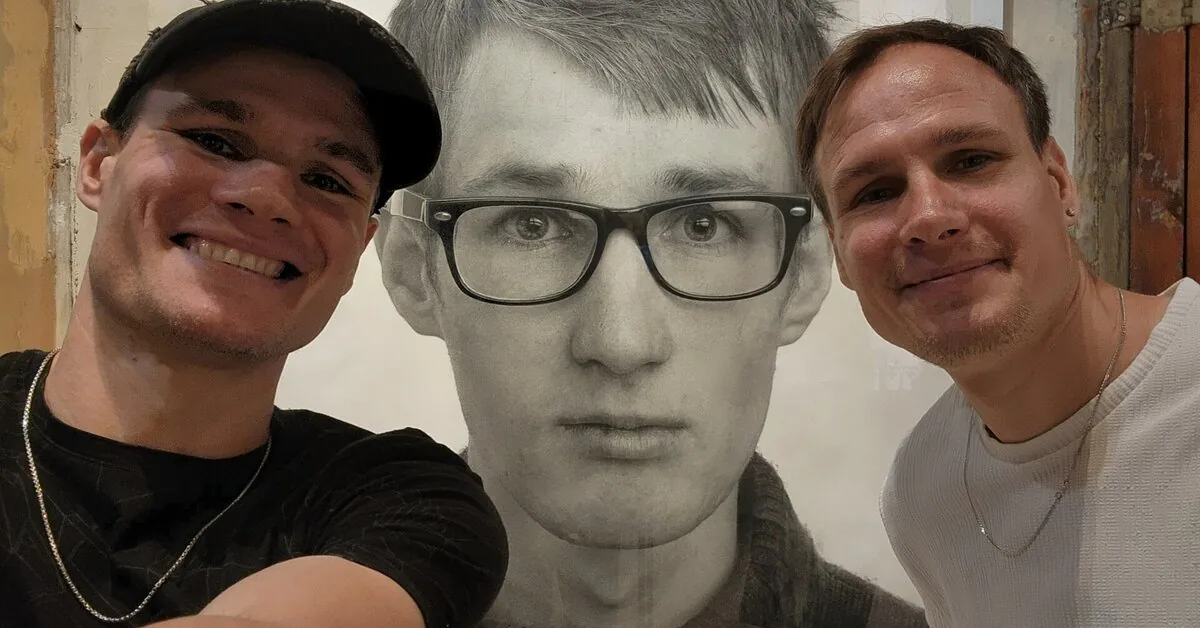
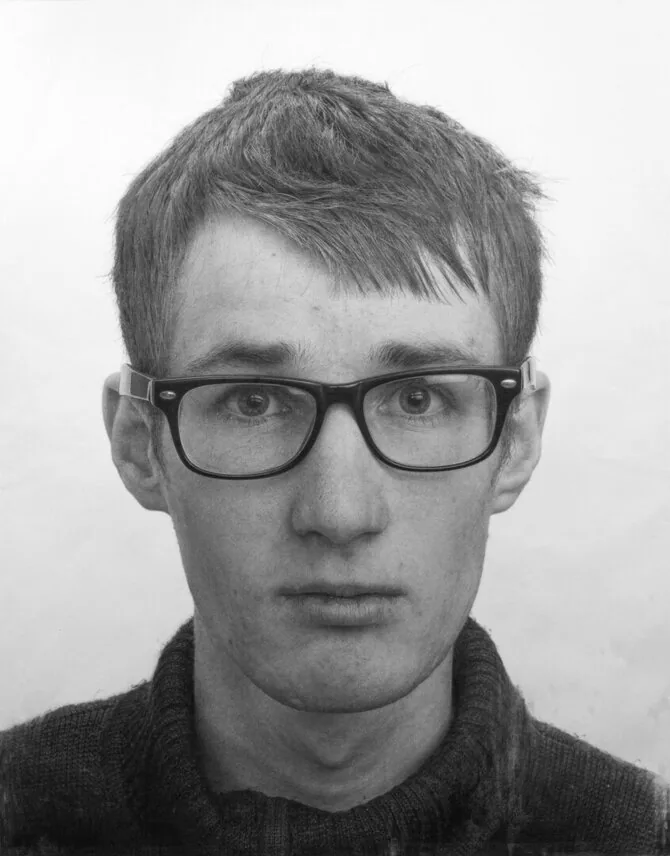
The latest work by the Gataveckas brothers – a huge, pencil-drawn portrait of a foster child from an orphanage – is almost finished. It still needs a little retouching, and the drawing “You have been looking at me longer than my parents once did” will go to the group exhibition “In the Beginning Was the Line: 18th-21st Century Drawings from the Archives of the Lithuanian National Museum of Art”. The exhibition at the Vilnius Picture Gallery will open on June 23.
Read more Pearls of Samogitia, which many people don’t even know about: these places are a true delight
“We probably seem very untalented, as others manage to create a work much faster,” says A. Gataveckas. Indeed, such a time dimension in today’s world, spinning at TikTok speed, seems almost unbelievable, and the history of this work speaks of will, patience, and the ability to work to achieve a result.
“As regrettable as it is, these qualities are becoming increasingly rare among creative people; we notice this constantly when we are around young people. The task of drawing the same object for several months sometimes becomes difficult to overcome – students and pupils attending our studio simply get bored. They want change,” says R. Gataveckas.
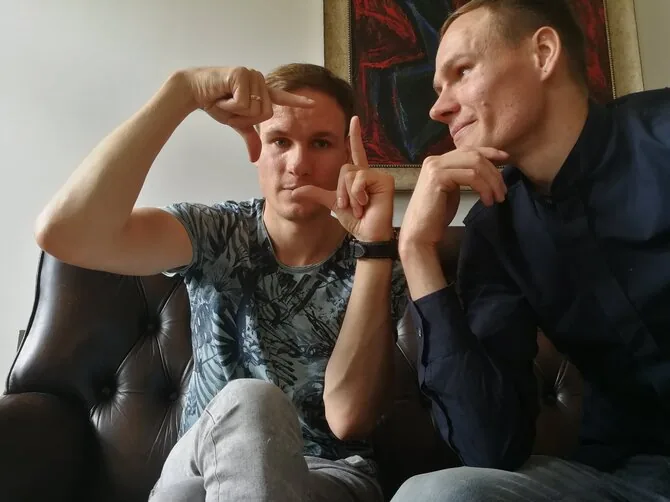
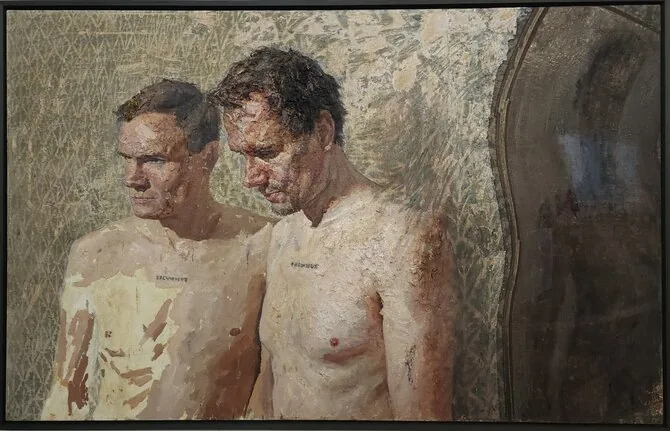
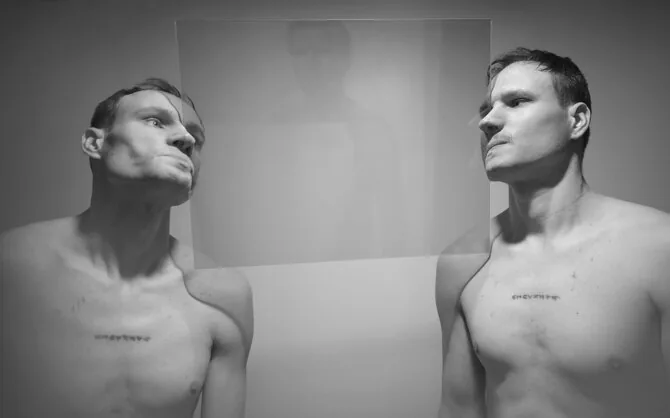
This month, another important event awaits the brothers – on June 25, their painting “Genealogical Deformation” will be presented at the National Portrait Gallery in London. The brothers’ work was selected for the exhibition-competition of the prestigious “Herbert Smith Freehills Kramer Portrait Award 2026” from over 1,474 works submitted by artists from 63 countries. A total of 52 portraits are participating in the exhibition-competition, including the work of Lithuanian artists.
The Gataveckas brothers have been teaching drawing at the Vilnius Academy of Arts for over fifteen years. Over these years, they say, the changes are obvious but inevitable, conditioned by the rapidly changing pace of life. The ability to concentrate becomes an ever-greater challenge when the information flow is enormous, and social networks offer new images, topics, and impulses daily.
“When you start speaking to an audience, you see that it’s harder for students to maintain attention; you have to present information to them very concisely, organized into shelves,” says R. Gataveckas, while his brother Algirdas also speaks about a lack of responsibility. “”Why bother if you can do everything faster?” – this is a question lecturers hear from students, and sometimes, he says, they have to explain very simple things – that the quality of work can be determined by a well-sharpened pencil.”
“Quality takes time,” the brothers agree. They don’t want to be grumblers and moralizers for whom everything is bad. On the contrary, they say that today’s students are incredibly creative, they experiment boldly, think interdisciplinarily, and manage artificial intelligence much better than their lecturers.
“Sometimes the abundance of ideas is surprising; students are able to change styles, they don’t cling to one opinion, they are freer, they engage in discussions with lecturers, express their opinions, and look for unexpected solutions. Today, this is especially important. After all, in art, the idea becomes everything; performers can also be hired,” says A. Gataveckas.
Read more In April, 172 thousand new jobs were created in the US, the labor market remains resilient
R. Gataveckas is convinced that the lecturer’s task is to listen, hear the student’s ideas, and strive to encourage them, not spoil them. This is why individual work with students is particularly important for a lecturer.
Lecturers of the drawing discipline at the Vilnius Academy of Arts perfectly understand that today, contemporary art is usually interdisciplinary. Performance, technology, music, architecture, scientific research, artificial intelligence, and drawing itself can meet in artworks. It is important that each area becomes a conscious choice, and a clear idea and concept emerge.
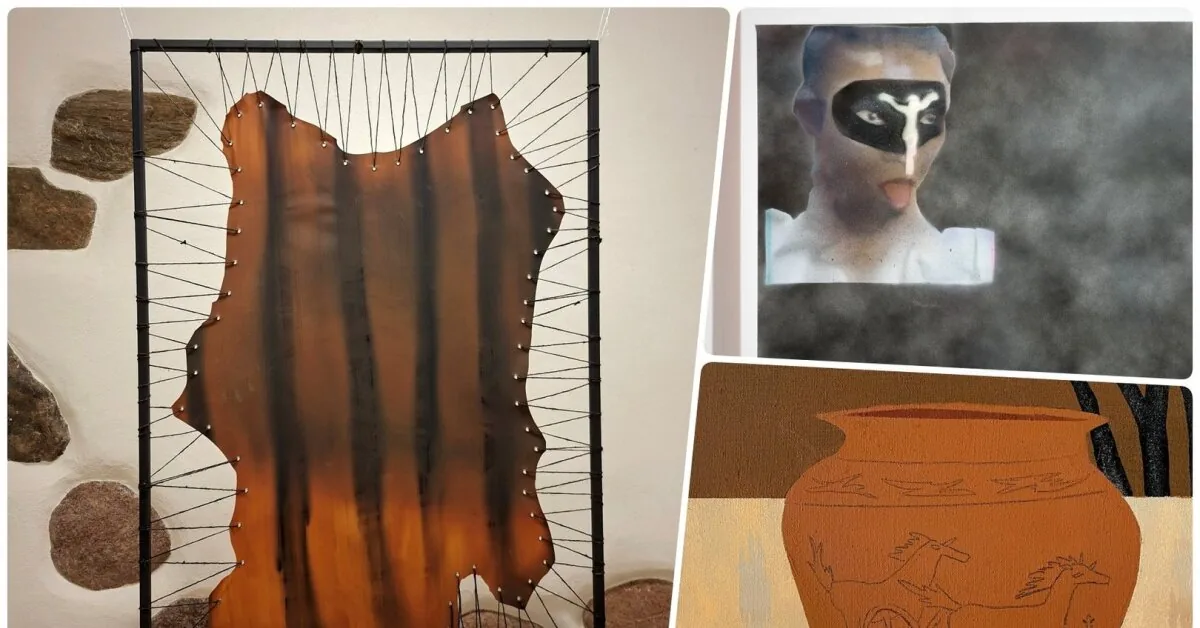
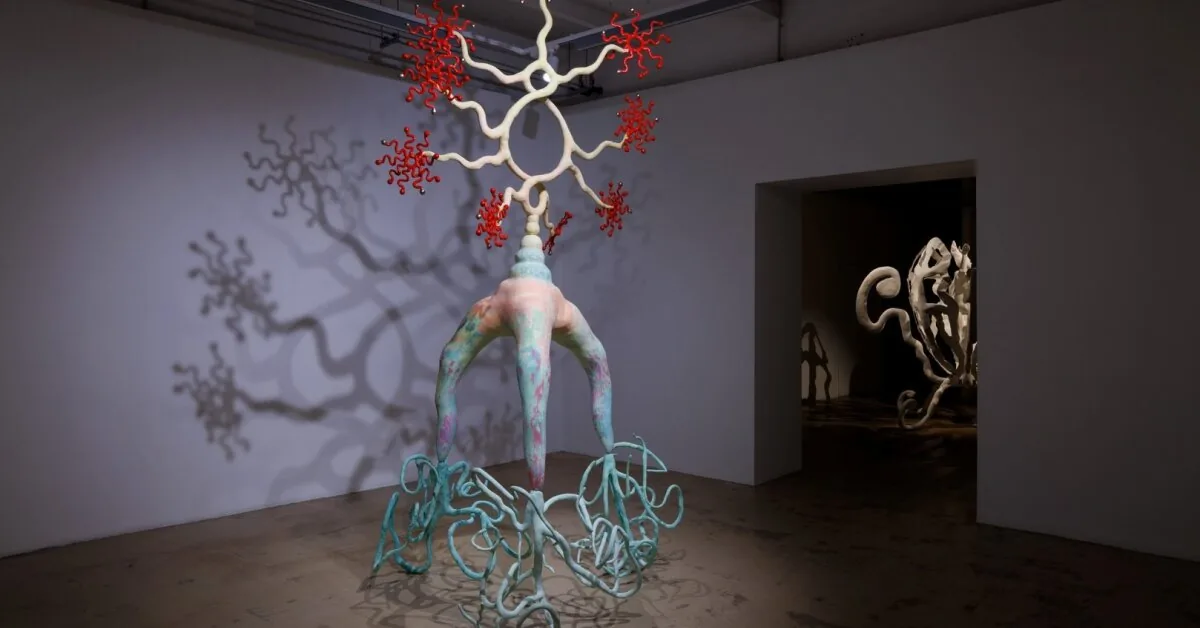
The Gataveckas brothers have no doubt that the Vilnius Academy of Arts graduation exhibition, which began on June 2, is exactly the place where one can see how VAA bachelors, masters, and doctoral students succeeded in implementing their ideas.
At the exhibition, the public will for the first time see another generation of Lithuanian artists, designers, architects, restorers, and curators trained by the Academy of Arts. The largest presentation of young creators in Lithuania, held in Vilnius, Kaunas, Klaipėda, and Telšiai this year, will bring together more than 400 graduates.
The graduation exhibition displays in Vilnius will be located in VAA spaces – “Titanikas” exhibition halls, the Department of Site-Specific Art and Scenography, the Old and New Palaces, “Akademija”, “Artifex”, “5 Malūnai” galleries, Anastazija and Antanas Tamošaičiai gallery “Židinys”, and the VAA outdoor exhibition space “Lauko ekspo + 1000”. In Kaunas, the exhibitions will be presented at the VAA Kaunas Faculty and “Muitinė” gallery, “Balta” gallery, “Avietė” project space, Kaunas Photography Gallery, and the temporary M.K. Čiurlionis Art Gallery. In Telšiai, the exhibition will take place at the VAA Telšiai Gallery, Žemaičiai Museum “Alka”, and the VAA Telšiai Faculty. In Klaipėda, works will be exhibited at the VAA Klaipėda Faculty’s “Daržas” gallery.
The VAA Graduation Exhibition will take place from June 2 to 13. The exhibition is free, and there will be guided tours, meetings with authors, and public events inviting visitors to get a closer look at the works and creative processes of VAA young creators. More information – https://vdagraduation.lt/
Read more US diplomat surprised: about Greenland – you misunderstood Trump