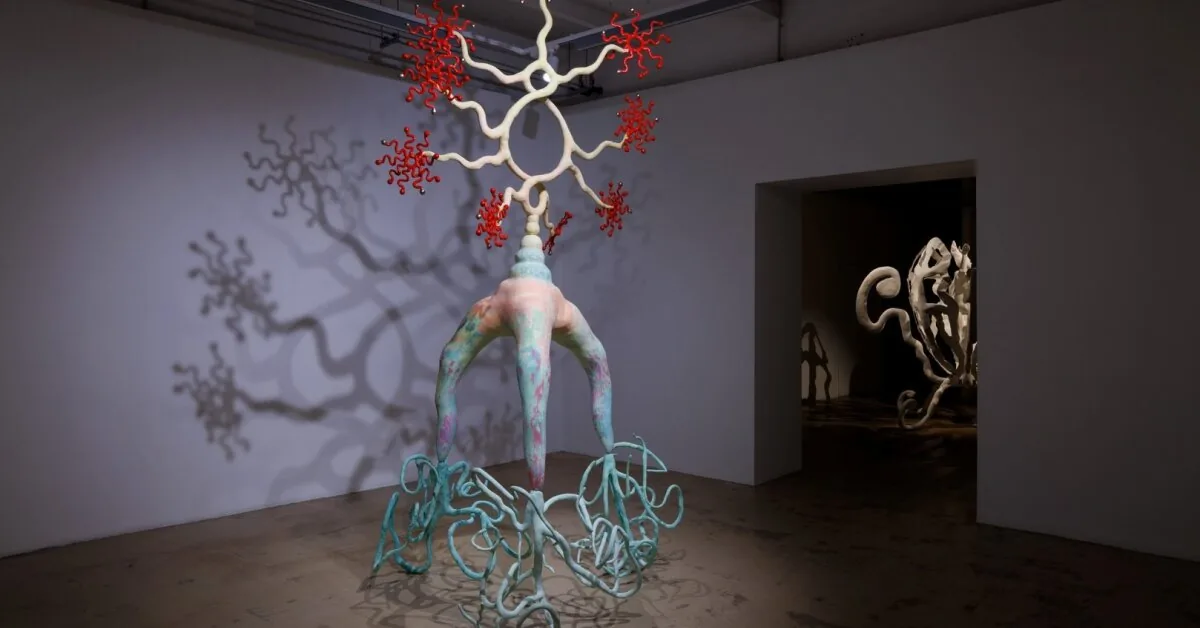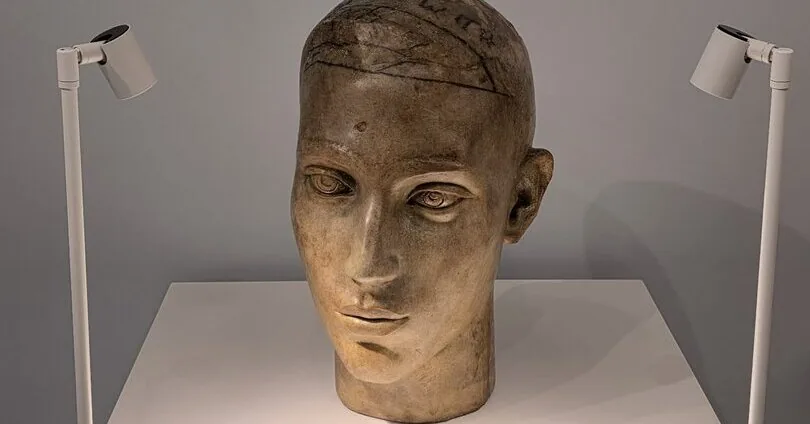
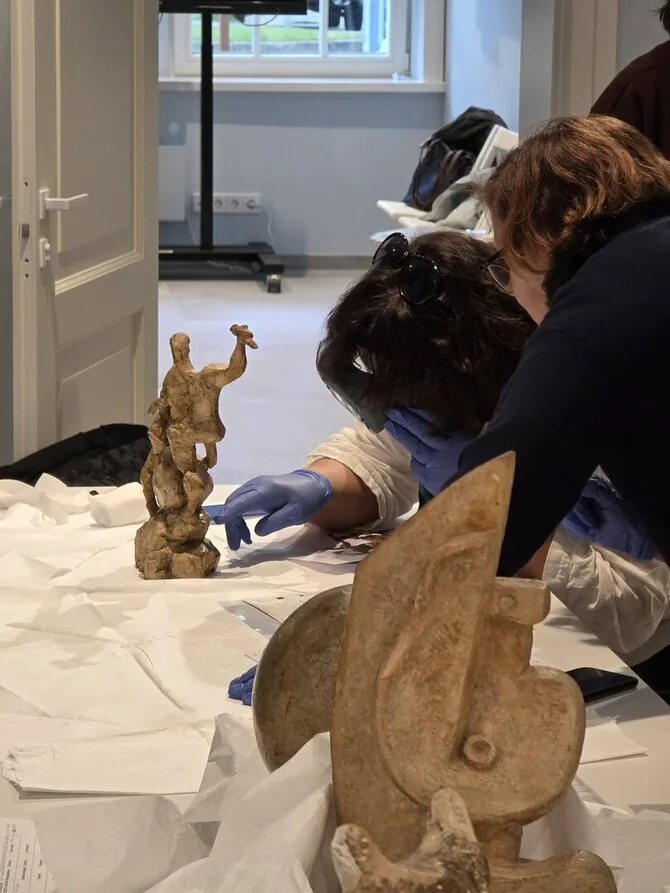
The exhibition “Jacques Lipchitz. Sculptures-Pilgrims” offers a rare opportunity to closely see Lipchitz’s works made of plaster, terracotta, and other primary, sensitive materials. The sculptures retain traces of the artist’s handiwork – surface irregularities, shape corrections, and fingerprints, allowing a glimpse into the creative process itself.
Read more Cardiologists warn everyone: here is how to recognize that your cholesterol is too high
The sculptures presented in Druskininkai from the Valencia collection reflect different stages of Jacques Lipchitz’s work – from cubist forms to late, dramatic, and spiritual compositions. “It was precisely Druskininkai and Vilnius that became a cultural bridge, a bridge of memory places of Jacques Lipchitz. Therefore, the idea arose to hold one exhibition in two cities and invite visitors to travel this path – from Druskininkai to Vilnius or from Vilnius to Druskininkai,” says the exhibition’s concept author and curator Aušra Rožankevičiūtė.
For Jacques Lipchitz, Druskininkai was more than just his birthplace. It was his childhood town, which the artist mentioned several times in letters while living in Paris and New York. He longed for Druskininkai and maintained a connection with the place where his life journey began throughout his life.
Marking the 135th anniversary of Jacques Lipchitz’s birth, the reconstructed Jacques Lipchitz Museum in Druskininkai opened its doors in April. The museum, less than 200 square meters, houses a permanent exhibition supplemented by four sculptures from the Valencia collection.
“That small house in Druskininkai, today called the Jacques Lipchitz Museum, has become a kind of bridge for the artist’s return to his homeland. It is very important to me that not only a world-class artist returns to Lithuania, but Lithuania also discovers those artists who were born under its sun,” says Sergejus Kanovičius, director of the Vilna Gaon State Jewish Museum.
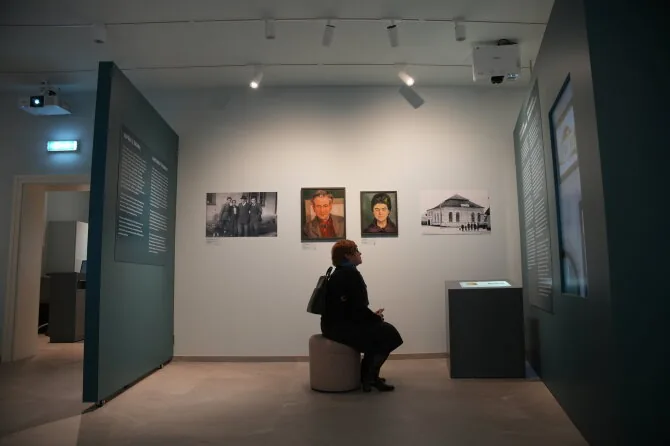
The exhibition “Jacques Lipchitz. Sculptures-Pilgrims,” displayed in Druskininkai and Vilnius by the Vilna Gaon State Jewish Museum, continues the cycle of commemorating the 135th anniversary of the world-renowned Litvak sculptor Jacques Lipchitz.
Read more How is a new theater season created? Laima Vilimienė shares play recommendations
“The works of this artist born in Druskininkai can be found in Tate, the Guggenheim Museum, New York’s MoMA, and the Valencia Institute of Modern Art, but here, in his homeland, we do not know him so widely. Jacques Lipchitz still promotes Lithuania’s name, so our goal is to present his work as widely as possible,” says the exhibition curator and head of the Jacques Lipchitz Museum in Druskininkai, Ieva Bernotaitė.
The exhibition opening today, July 17, at 6 p.m., at the Jacques Lipchitz Museum (Šv. Jokūbo St. 17, Druskininkai) is open and free. Everyone interested in art and Lithuanian cultural history is invited to participate in the event.
The exhibition “Jacques Lipchitz. Sculptures-Pilgrims” in Druskininkai and Vilnius will run until November 22. During the exhibition, events, educational meetings, and tours will take place at the museum.
During the exhibition opening weekend in Druskininkai, visitors are invited to meetings with the curators: on July 18 at 12 p.m., curator Aušra Rožankevičiūtė will present the exhibition to visitors, and on July 19 at 12 p.m., curator Ieva Bernotaitė will do so. Participation in the tours is free with a visitor ticket.