Specialists emphasize that not every fever or viral infection means an urgent need to rush to the hospital, but there are symptoms that should not be ignored.
Read more «Rosneft» head Sechin’s advisor revealed how much longer Russia will continue to fight
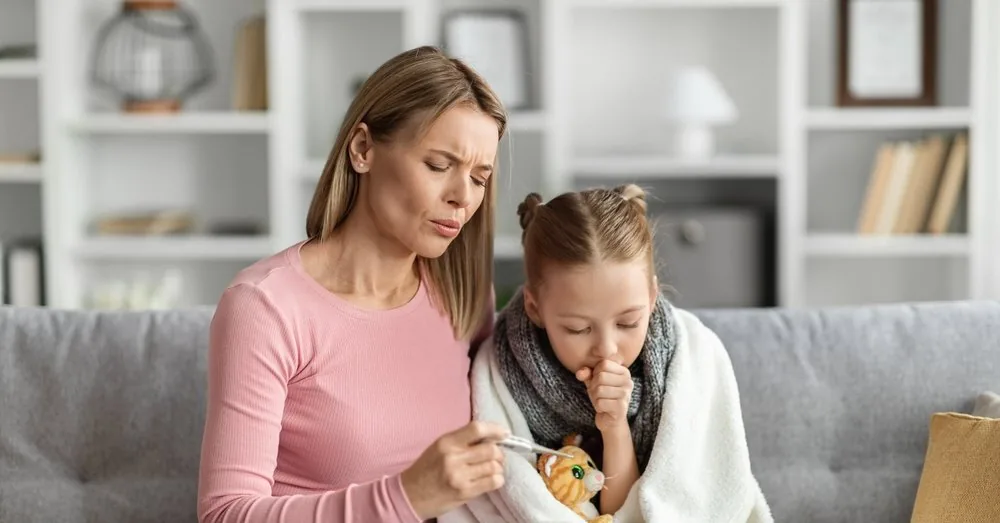
According to pharmacist Sigita Korbutaitė, quoted in the “Gintarinė vaistinė” press release, parents usually become concerned when a child starts to have a fever, complains of pain, or experiences repeated vomiting or diarrhea.
“In such situations, I would first recommend assessing the child’s condition as rationally as possible. If the child has a fever or feels pain, it is important to properly select measures to reduce symptoms and not forget fluids – water or electrolyte solutions. It is not always necessary to go to the emergency room immediately, but it is essential to monitor whether the condition worsens,” she says.
When should you no longer wait at home?
According to the pharmacist, one of the most important signals is a change in the child’s behavior. Parents should pay attention to whether the child becomes unusually lethargic, sleepy, difficult to wake, or, conversely, very irritable.
“Particular attention should be paid to small children if they vomit or have diarrhea. In cases of norovirus or rotavirus infection, fluids are lost quickly, so the greatest risk is dehydration. Signs of this may include infrequent urination, weakness, lethargy, and in infants – a sunken fontanelle,” notes S. Korbutaitė.

According to the pharmacist, it is dangerous if the child does not drink or cannot keep fluids down because of constant vomiting, also if they do not urinate for more than 12 hours, become difficult to wake, start breathing rapidly, or have an increased heart rate.
“To avoid dehydration during illness, it is very important to give fluids continuously, even in small amounts. It is better to offer small amounts frequently than to wait for the child to ask for a drink,” she advises.
Dangerous fever signals
Fever in children is often a natural body response to infection, but it is important to assess not only the thermometer readings but also the overall well-being. According to S. Korbutaitė, concern should arise when the temperature is high – over 39 degrees, especially if it is difficult to reduce with medication.
“It is necessary to seek medical care if any elevated temperature occurs in an infant under 3 months old. Older children should raise concern if the fever lasts more than 3 days without a clear cause,” explains the pharmacist.
Read more This is very tasty: slowly stewed duck leg meat with tomatoes
She notes that one of the most common mistakes parents make is giving too low doses of pain or fever medication. In such cases, the temperature does not drop or decreases only briefly and then quickly rises again.
“Medications for children must be dosed according to body weight. Usually, the ibuprofen dose is 10 mg/kg, oral paracetamol forms – 15 mg/kg, and rectal medications, such as suppositories – 15–20 mg/kg. However, in every case, it is necessary to follow the specific medicine’s package leaflet or consult a specialist,” reminds S. Korbutaitė.
Breathing difficulties – a sign not to delay
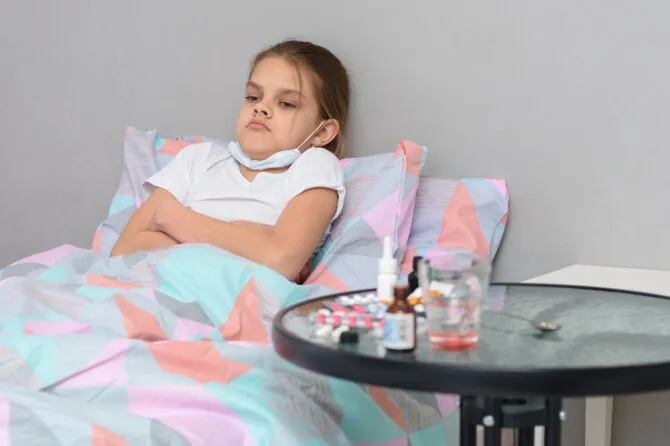
One of the clearest dangerous signs is related to breathing. It is necessary to urgently seek medical care if the child starts breathing rapidly, with difficulty or shallowly, if lips or skin turn blue, wheezing or shortness of breath occurs at rest.
“Any of these symptoms require emergency help because hypoxia may occur – a condition where the body’s tissues do not receive enough oxygen,” warns the pharmacist.
According to her, parents usually come to the pharmacy for consultation in the evenings, on weekends, or when doctors’ working hours have ended. Some want to check if they can use the same remedies that helped during a previous illness, others ask if the symptoms still allow monitoring the child at home.
When illness strikes suddenly
The pharmacist recalls a case during the peak of flu cases when a father came to the pharmacy worried about a sudden fever in his young child. During the consultation, it turned out that there was already a flu case in the family – an older child got sick at kindergarten, and soon symptoms appeared in the younger child, not yet two years old.
“We discussed how to carefully and safely perform a flu test, when, how much, and what fever medications to give the child. We also recommended seeking medical care even if the test result is negative because the condition of small children can change quickly,” the pharmacist recounts.
S. Korbutaitė emphasizes that the most important thing for parents is not to panic but also not to underestimate symptoms. If the child is alert, drinks fluids, urinates, and the temperature drops after medication, the condition can often be monitored at home.