








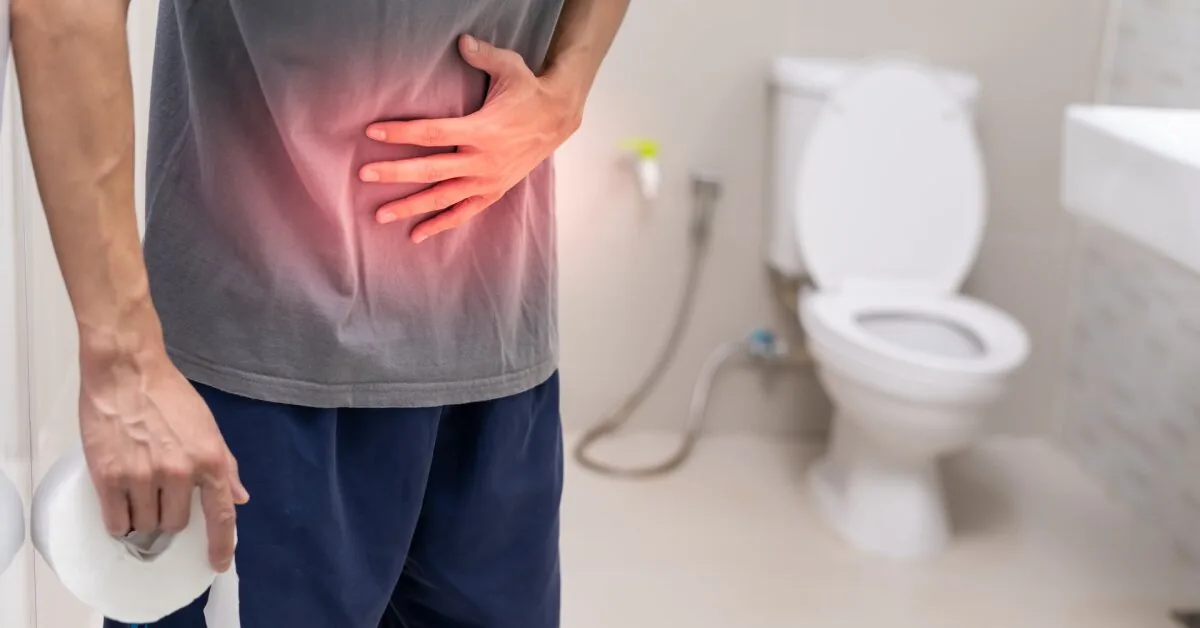
In a press release from the “Camelia” pharmacy chain, pharmacist Judita Voverė explains how to recognize the symptoms of viral diarrhea, when to worry, and what to do to help the body recover as quickly as possible.
Read more Marine drone explosion in Romanian port
“During the warm season, bacteria and other microorganisms become more active, increasing the risk of food poisoning or intestinal infections. Currently, we observe that people suffering from symptoms of viral diarrhea are increasingly seeking help at pharmacies. Although diarrhea is a rather unpleasant condition, it is usually not dangerous if a person takes appropriate measures in time and monitors their well-being,” says J. Voverė.
Depending on the cause – diarrhea manifests differently
According to the pharmacist, viral diarrhea, most commonly caused by rotaviruses or noroviruses, manifests as watery stools, a slight fever, and general weakness. In this case, similar symptoms may soon appear in other family members and individuals who have had contact with the sick person. This condition usually resolves within 1–3 days.
“Food poisoning can be suspected when symptoms start very suddenly – usually within a few hours after food consumption. Diarrhea is severe, but the course is shorter, body aches, nausea or vomiting may occur, and often other people who ate the same food also get sick,” explains J. Voverė.

Meanwhile, bacterial intestinal infection usually lasts longer, more often manifests with a higher temperature, severe abdominal cramps, and mucus or blood may appear in the stool – in such a case, it is necessary to consult a doctor. Bacterial intestinal infections are most commonly caused by salmonella, shigella, campylobacter, or E.coli bacteria, which can be contracted by consuming insufficiently heat-treated food, unpasteurized dairy products, or contaminated water.
“However, diarrhea is not always of infectious origin. It can be caused by stress, intestinal microflora imbalance, improper diet, or the consumption of unripe fruits and vegetables. Other causes may include lactose intolerance, irritable bowel syndrome, celiac disease, inflammatory bowel diseases, or the effect of certain medications that disrupt the normal balance of intestinal bacteria,” lists the pharmacist.
Common mistakes when treating diarrhea at home
The pharmacist says that one of the most common mistakes is insufficient fluid intake. People believe that drinking less water will reduce diarrhea, but this only increases the risk of dehydration. Dehydration can be indicated by thirst, dry mouth and lips, darker or less frequent urination, weakness, and fatigue. Lethargy is also characteristic of children; if the child becomes unusually calm, sleepy, or refuses to drink – this can be one of the signs of dehydration.
Read more Association head: schools themselves lack space in shelters, and they still have to accept residents
“It is advisable to drink as many fluids as possible: warm teas, water, and ideally – special rehydration solutions that compensate not only for fluids but also for lost electrolytes. It is also necessary to rest, avoid heavy physical work, and if there is an appetite – choose light food, avoiding fatty, spicy, or hard-to-digest dishes. Both children and adults are recommended to eat vegetables and fruits, dried fruits, soups, various porridges, and rusks,” advises the pharmacist.
Another common mistake is the unjustified use of antibiotics. Antibiotics do not work against viruses, and their use without a doctor’s prescription can disrupt the intestinal microflora. It is also important to know that anti-diarrhea medications should not be used when there is fever or blood in the stool. Such preparations slow down intestinal activity and can retain the infection in the body, thus worsening the condition.

“To protect against the spread of viral diarrhea in the family, strict hygiene must be observed – frequent and thorough hand washing, using separate towels, regularly cleaning and disinfecting surfaces, especially the bathroom and kitchen. Contaminated areas must be thoroughly cleaned, and clothes and bedding washed at high temperatures – this will help destroy viruses and prevent re-infection,” says J. Voverė.
When it is necessary to consult a specialist
According to the pharmacist, although most cases of diarrhea resolve on their own, certain symptoms should not be ignored. It is especially important to carefully monitor children’s well-being, as their bodies lose fluids and electrolytes more quickly.
“Adults are advised to consult a doctor if diarrhea lasts longer than 2–3 days, and children – if symptoms do not subside within 24 hours. It is also necessary to seek immediate help if blood is observed in the stool, a high fever develops, severe weakness, dizziness, or intense abdominal pain is felt,” emphasizes J. Voverė.
The pharmacist reminds that pharmacies offer remedies to help alleviate diarrhea – oral rehydration solutions, probiotics that can shorten the duration of diarrhea and help restore intestinal microflora, as well as fever-reducing medications. However, anti-diarrhea remedies are recommended to be used only after consulting a pharmacist or doctor.
Read more The third Michelin Guide was presented: 5 Lithuanian restaurants earned stars