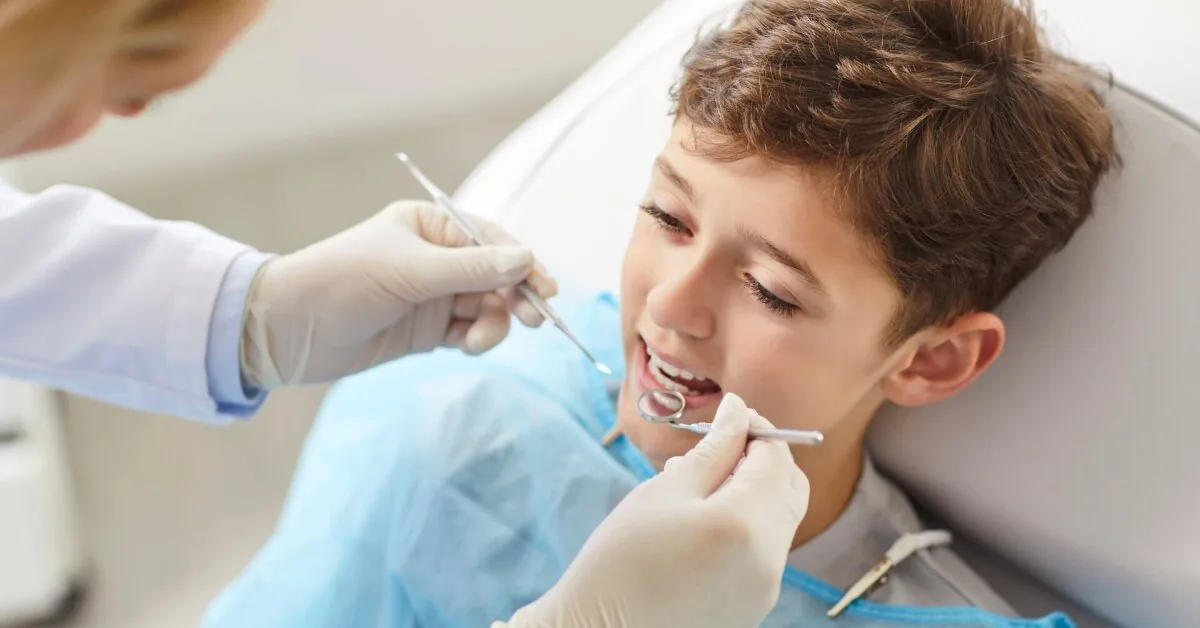
However, pediatric dentist, doctor of biomedical sciences Birutė Jankauskienė says that today the biggest problem often becomes not general anesthesia itself, but treatment that is postponed for too long.
Read more Car thefts are changing: electric cars have been added to the list of most stolen cars
The truth is simple: untreated teeth worsen quality of life
The doctor shares her experience about what she encounters daily when consulting children and parents, saying that often parents’ fears are even greater than those of children.
„We often hear that cavities were noticed earlier, but parents waited for the child to grow up and become braver. I want to emphasize that modern pediatric dentistry is completely different from many years ago,” says Birutė Jankauskienė, a pediatric dentist at “Neodenta” who has been working with children for more than two decades.
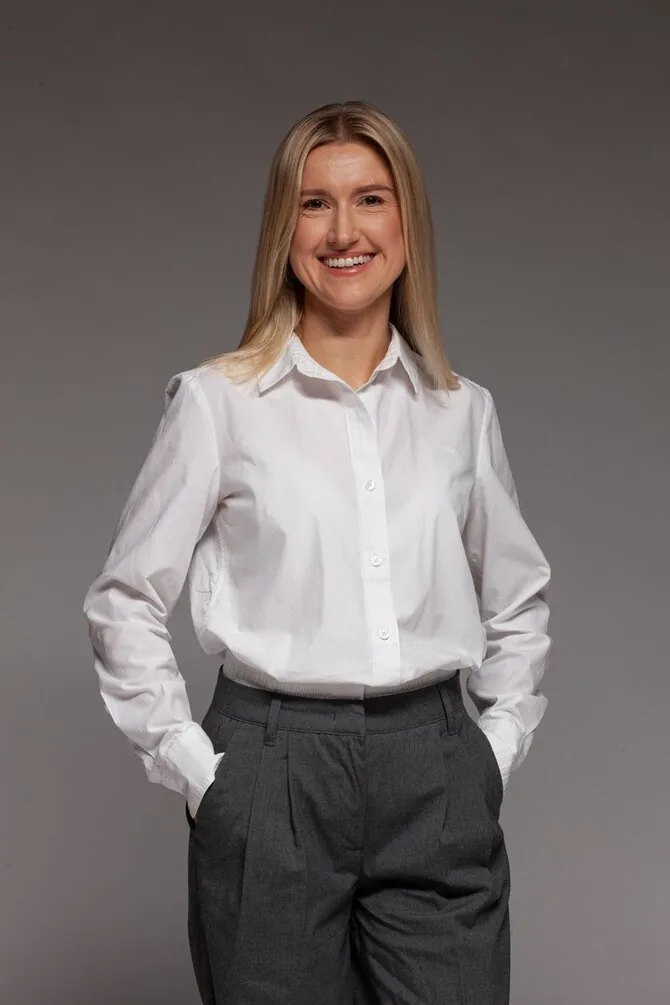
In 2015, the doctor specializing in pediatric dentistry defended her biomedical sciences dissertation on the topic “Peculiarities of early childhood dental caries treatment under general anesthesia and its impact on patients’ quality of life”.
According to her, untreated teeth mean much more than just cavities for a child – they worsen sleep, make eating difficult, cause pain, increase fear of doctors, and affect the daily life of the entire family.
„Sometimes families live in constant stress because the child does not even allow looking into their mouth. In such cases, not only oral health but also the child’s quality of life suffers,” says the doctor.
According to her, treatment with sedation or general anesthesia is not a “convenience solution,” as is sometimes mistakenly believed. Most often, it is recommended when the child is very young, has a strong fear of dentists, cannot cooperate during treatment, or when many teeth are damaged and complex and long treatment is required.
„When performing treatment under general anesthesia, all caries-affected teeth are treated during one visit, ensuring a high-quality and long-lasting result. This way, the child avoids many stressful visits, and most importantly, emotional trauma that can accompany them throughout life,” says B. Jankauskienė.
How is treatment under general anesthesia performed and why is it considered safe?
One of the most common fears of parents is whether general anesthesia is safe. The doctor explains that before the procedure, the child is examined by an anesthesiologist, who assesses their health condition and selects an individual dose of medication according to age and weight.
During treatment, the child sleeps, feels no pain, and all vital functions – breathing, heart activity, blood oxygen levels, and blood pressure – are constantly monitored with special equipment. After treatment, the little patient wakes up under the supervision of medical staff, and once their condition is stable, they can go home the same day.
„Today, short-acting anesthetics are used, but parents often imagine much scarier scenarios than what is in reality,” she says.
Read more The new UK Prime Minister Andy Burnham will work one day a week in Manchester
Nevertheless, the doctor emphasizes that not all children require general anesthesia. In some cases, pharmacological sedation is sufficient, where special medications are taken before the procedure.
„This helps the child relax, reduces anxiety, but the child remains conscious and can communicate with the doctor. Often, this becomes an excellent first step in building trust with the dentist,” explains the dentist.
Patient safety – first and foremost
In Lithuania, sedation and treatment under general anesthesia can only be performed in dental clinics that have a separate license issued by the State Accreditation Service for Healthcare Activities. Without this license, neither sedation nor general anesthesia services can be provided in dentistry.
There are only a few such clinics in Lithuania, one of them being “Neodenta”. This clinic has been operating in the market for 25 years and is the first in Lithuania to establish a specialized dental clinic for children.
To obtain a license, it is not enough to simply acquire additional equipment. It is necessary to meet operating room-level infrastructure and safety requirements, ensure continuous patient monitoring, preparedness for emergency aid, and collaboration with an anesthesiologist.
With even stricter requirements for anesthesia services coming into force from 2026, the dental clinic “Neodenta” has proactively invested in infrastructure, patient monitoring solutions, staff preparedness, and all necessary processes, thus being able to provide treatment according to the highest currently applicable safety standards.
„Our goal is not just to fix teeth. We want the child to leave without experiencing fear, and for parents to understand that modern pediatric dentistry can be gentle, safe, and respectful of the little person. We are glad that from now on, we are one of the few dental clinics in Kaunas capable of applying sedation and general anesthesia during treatment. Today, the greatest risk is usually not the procedure itself, but treatment that is postponed for too long,” says B. Jankauskienė.
„Children often fear not the treatment itself, but the injection. Modern technologies allow anesthesia to be administered so gently that in most cases, little patients feel almost no discomfort,” states the doctor.
According to the specialist, the most important thing is not to wait until the situation becomes critical. „The earlier a child gets acquainted with a dentist in a calm environment, the greater the chance that neither sedation nor complex treatment will be needed in the future. The biggest mistake is waiting until tooth pain becomes unbearable,” says B. Jankauskienė.
Read more In Serbia, almost 30,000 pigs died or were slaughtered due to an outbreak of swine fever