









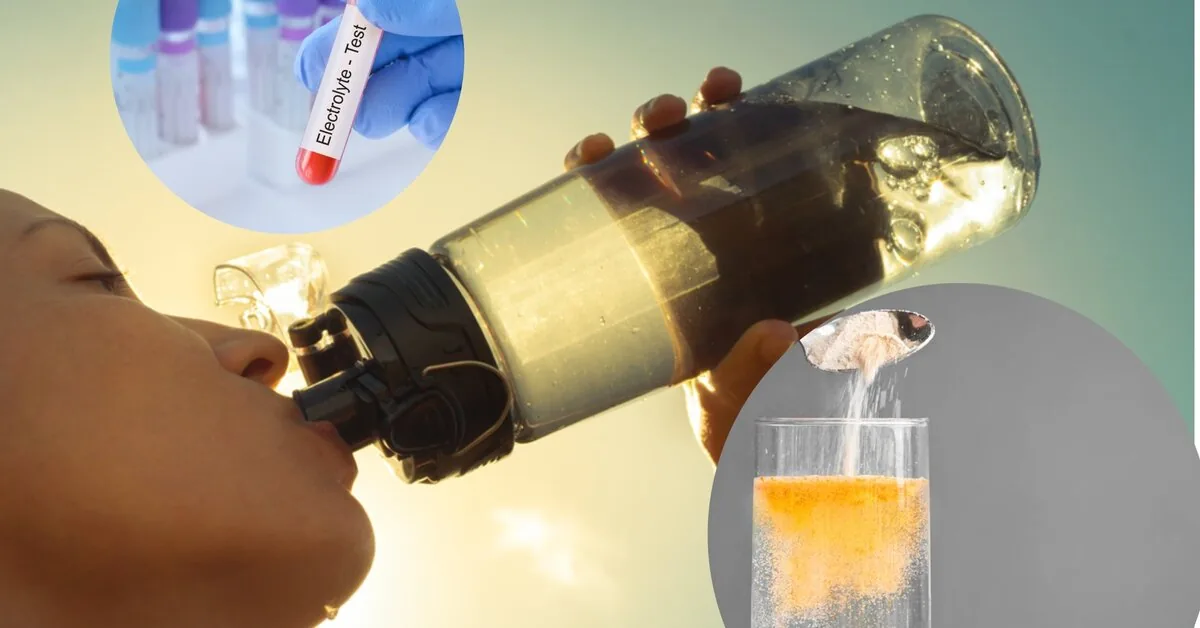
Electrolytes – what are they?
Electrolytes, when talking about nutrition and the human body, generally refer to minerals that are extremely important for the smooth functioning of the body. One of the most important “missions” of electrolytes is to maintain the balance of fluids, which are important for every cell. It is also important that electrolytes are closely related to proper nervous system activity, tissue regeneration processes, blood pressure balancing, muscle function, and blood pH maintenance.
Electrolyte imbalances can have a very detrimental effect on human health and well-being, and in rare cases can even be fatal.
Most often, people experience electrolyte imbalance after losing large amounts of fluids – due to vomiting, diarrhea, after prolonged exposure to heat, intense sweating, or very long and strenuous sports and physical exertion, according to “Healthline”.
The most important electrolytes for the human body are sodium, potassium, calcium, and magnesium, and chlorine and phosphorus should also be mentioned. Sodium is extremely important for the human nervous system, calcium for bones, heart, and muscle condition, for whose smooth functioning magnesium is also very necessary.
And chlorine and phosphorus are essential for regulating acids and bases in the body. It is also important to mention another very important function of electrolytes – transport. They help supply many body cells with vital minerals so that they can function properly. Thus, when the electrolyte balance is disturbed, a person begins to feel certain ailments or health problems.
Signs of electrolyte deficiency
A person may not even feel a slight electrolyte imbalance, but if a significant amount of fluids is lost or if one becomes seriously ill, the symptoms can be very serious and debilitating, according to “Medical News Today”. What indicates that the human body lacks electrolytes.

- Heart palpitations, irregular pulse;
- Fatigue;
- Numbness, tingling in limbs;
- Muscle weakness;
- Severe cramps;
- Headache;
- Seizures;
- Weakness;
- Blood pressure disorders.
How to determine electrolyte deficiency?
Most often, people who experience one or more of the mentioned ailments consult doctors. Doctors can determine electrolyte imbalance from a blood test, observing deviations in indicators and evaluating the symptoms mentioned by the patient. After evaluating the tests, doctors prescribe the appropriate dose of electrolytes to the patient, taking into account the situation and health condition.
One treatment is applied if an electrolyte deficiency is detected, and a completely different one if there is an excess. If the symptoms of imbalance are very severe, in rare cases, patients may be hospitalized for treatment.
Read more US claims to have shot down Iranian drones, rockets reported towards Gulf countries
Electrolyte drinks: myths and truth
Electrolyte powders dissolved in water, or electrolyte drinks simply bought in pharmacies, can improve a person’s well-being and somewhat restore fluid and mineral balance after dehydration or intense physical exertion, writes “Healthline”, but there are still a few things worth knowing about it.
It is worth noting that the amount of electrolytes in drinks can vary greatly. Some manufacturers may add a significant amount of them, while others add many flavor enhancers and a very insignificant amount of the minerals themselves. So, first of all, it is worth carefully finding out – what are we drinking?
Nutritionist Julia Zumpano, as stated on clevelandclinic.org, advises against making electrolytes an all-day drink – almost a substitute for water. The dietitian advises viewing electrolyte-enriched drinks as a special product to be used when needed to replenish lost body resources.
In what cases is it recommended to drink?
- After training or physical activity.
- On a very hot day, when you sweat a lot.
- When sick – with severe diarrhea or vomiting.
“In such cases, after replenishing electrolyte reserves, you will immediately feel a little better. Listen to your body and consume as much as needed, but do not overdo it,” said J.Zumpano. The interviewee reminded that one should first aim for electrolyte balance by eating healthily – enriching one’s diet with all the products necessary for the body.
Electrolyte overdose
Electrolytes, if used correctly and in carefully selected doses, usually provide benefits to the human body. However, it is warned that if electrolytes are turned into a daily drink and consumed irresponsibly, there is a risk of overdosing on these minerals, which can lead to irreversible consequences.
It is important to note that electrolyte overdose can impair kidney and heart function and can be very dangerous for patients with kidney diseases.
Thus – the amount of electrolytes in the body is extremely important for the functioning of the entire body and even for resistance to viruses or bacteria. Everyone should consider their well-being after very intense physical exertion, sweating, or illnesses during which a lot of fluids have been lost. However, always consult specialists regarding the dose and necessity before consuming electrolytes.
Read more Strawberries will grow fist-sized: here’s the solution you need to water them with


