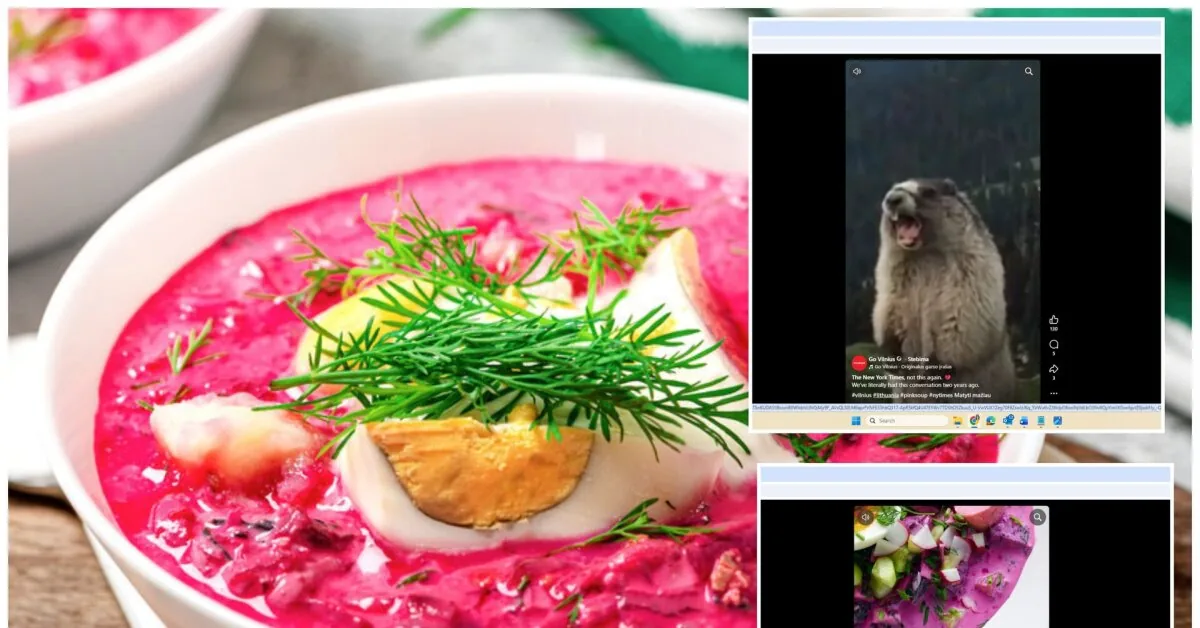
The Tourism Development Agency reminded that this mistake has been made by “The New York Times” journalists more than once. A few years ago, when presenting cold beetroot soup, they already described it as a popular cold soup in Poland.
Read more «Kauno Žalgiris» football players’ victory has already earned a bigger bonus than in the Euroleague
15min already wrote that on July 13, “The New York Times” caused outrage among Lithuanians when the famous publication’s journalists described a legendary Lithuanian dish but attributed it to Polish cuisine. Such a scandal did not go unnoticed by Lithuanians.
Shaming the Americans for this mistake, well-known public figures expressed their opinions in the comments – communicator Karolis Žukauskas, traveler Orijus Gasanovas, artist Algirdas Gataveckas, and even Polish-writing poet Kšištofas Kšivecas, who demanded the restoration of historical truth and to call this soup Lithuanian – šaltibarščiai.
Among the commentators was also politician and former Minister of National Defence Dovilė Šakalienė.
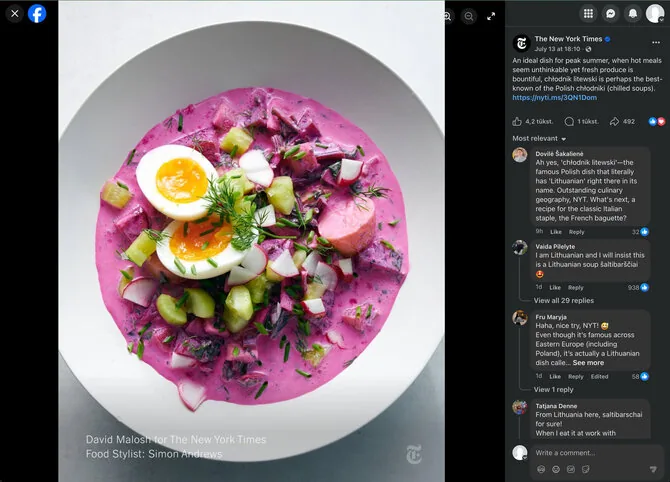
“Exceptional culinary geography! What’s next – a recipe for a classic Italian dish called ‘French baguette’?” – the politician ironized.
Read more Reduction of petty cash: here is what will change from October
This is one of the oldest Lithuanian soups
Back in July 2020, in an article published on the portal titled “The history of šaltibarščiai: a dish that united all people – both nobles and the poor,” historical cuisine expert Rimvydas Laužikas explained that šaltibarščiai is one of the oldest Lithuanian soups. According to him, the first recipes were recorded only at the end of the 18th century – beginning of the 19th century, but the dish itself is much older – recipes simply were not written down for a long time.
This dish united all social classes. According to R. Laužikas, šaltibarščiai were eaten both in peasants’ homes and at the tables of rulers and nobles. However, the old šaltibarščiai were very different from today’s. In luxurious versions, ingredients that now sound unusual and even exotic were used: crayfish necks, veal,
poultry, sometimes game meat, and kefir, which we are accustomed to today, was not available back then.
According to the expert, the first recipes cannot be considered the date of the dish’s origin. R. Laužikas emphasizes that Lithuania’s gastronomic tradition was passed down orally for a long time, so many old dishes appeared in written sources much later.
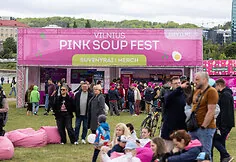
Currently, this is probably the most famous Lithuanian soup in the world, popularized also by the annual festival held in Vilnius.