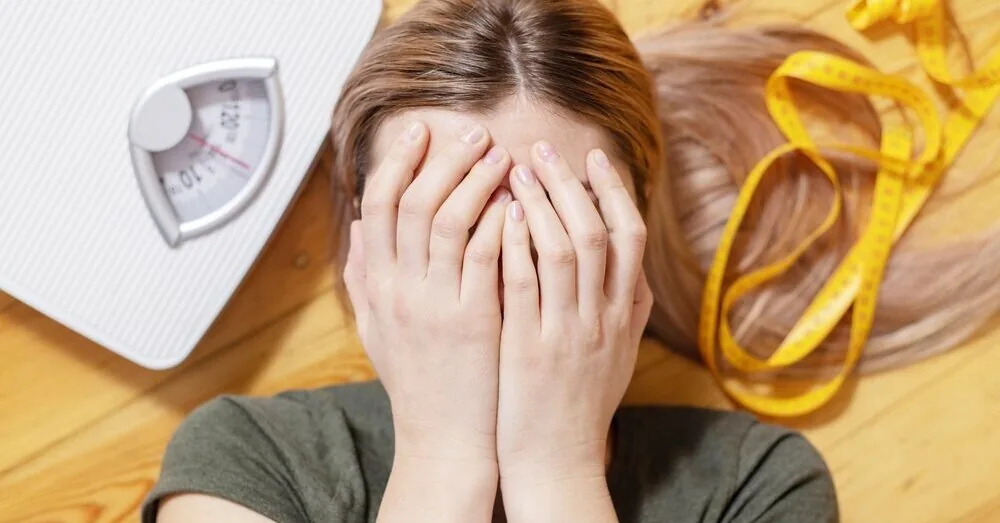
Why isn’t the weight dropping? Health provides the answers.
You consume more calories than you think
The total amount of calories consumed is the main factor determining weight loss. While nutritious foods are beneficial for overall health, they are not necessarily low in calories. Products such as smoothies, nuts, oils, and granola can be extremely high in calories – even small portions can significantly increase the overall caloric content of a meal and lead to a calorie surplus.
Read more Weekend test: which of these 20 films are based on books, and which are not?
Tip: It’s not necessary to avoid these products, but it’s worth knowing the recommended serving sizes and calorie content per serving.
You restrict yourself too much
While reducing overall calorie intake and restricting certain foods can aid in weight loss, overly strict food choices can complicate the process. Completely giving up your favorite foods can intensify cravings and increase the likelihood of overeating later.
Tip: Studies show that, compared to more flexible eating habits, very strict diets are associated with a greater tendency to overeat highly palatable foods – for example, products rich in sugar.
You don’t prioritize protein and fiber
Protein and fiber are two nutrients that play a key role in satiety and weight loss. Protein and fiber slow down digestion and promote the release of satiety hormones, making you feel fuller after meals and making it easier to consume fewer calories.
If you don’t include sources of protein and fiber in your meals and snacks, you may find yourself feeling hungry and snacking more throughout the day.
Tip: Choosing more filling foods rich in protein, such as fish, chicken, and Greek yogurt, and fiber, such as chia seeds and beans, can reduce hunger and increase satiety, which can help with weight loss.
You overeat “healthy” products
Many people disregard portion sizes when eating products considered “healthy.” This is because it’s often assumed that these products contain fewer calories or are more conducive to weight loss. However, even if a product has less sugar, fat, or carbohydrates, it’s still possible to eat more than your body needs without even realizing it.
For example, studies show that organic products are often perceived as lower in calories, even though they can actually be high in calories.
Read more BNS Sprintas: Week’s top events
Tip: Regardless of how a product is advertised, it’s important to know its caloric content and control portion sizes to avoid exceeding your calorie needs.
You only consider diet
While diet is an important factor in weight loss, it’s essential to consider other aspects such as physical activity, sleep quality, and stress levels. If you follow healthy eating principles but lead a sedentary lifestyle, losing weight can be more difficult. Poor sleep quality and high stress can also hinder weight loss and prevent you from seeing progress.
Tip: Regular physical activity helps create a calorie deficit by increasing overall energy expenditure; this is especially beneficial for those who struggle to lose weight solely by adjusting their diet.
You often choose takeout food
When aiming for weight loss, cooking at home more often can help you stick to your chosen plan and achieve your goals more easily. If you frequently buy takeout or eat at restaurants, losing weight can be more challenging. Restaurant and takeout food is often higher in calories, and portions are larger than when cooking at home, leading you to consume more calories than you might realize.
Studies show that people who regularly cook at home tend to have a healthier body weight and better overall dietary quality than those who frequently eat out.
Tip: Cooking at home allows you to better control ingredients, portion sizes, and cooking methods – this helps improve nutrient intake and makes it easier to maintain the calorie deficit needed for weight loss.
You drink your calories
When trying to eat healthy for weight loss, what you drink is just as important as what you eat. Beverages, even healthy ones, can be high in calories. For example, smoothies, protein shakes, and juices can have many more calories than you realize. Additionally, many drinks, such as coffee and juices, contain very little protein and fiber, making them easy to overconsume.
Tip: Choosing water or low-calorie beverages, such as unsweetened tea or sparkling water, can help you maintain your daily calorie goals and aid in weight loss.
Read more Syria reports a new Israeli incursion and shelling in the south of the country