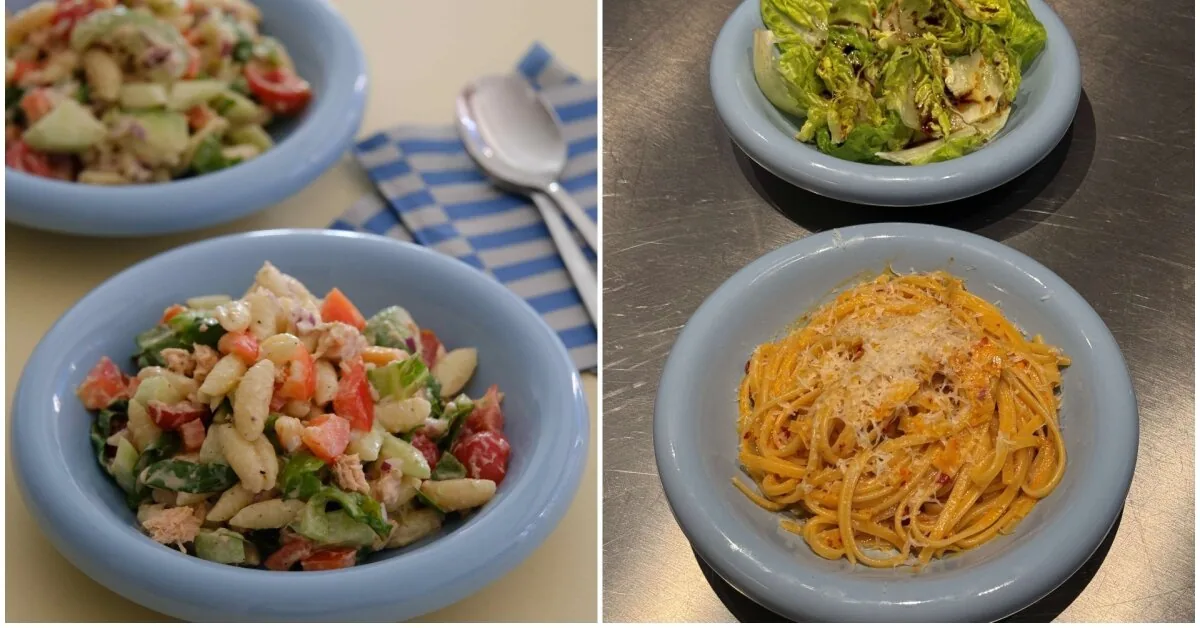
Pasta pairs better with a light tomato or olive oil sauce, while others, due to their shape, are suited for thicker, richer sauces.
Read more LTPF doubts whether the dismissed Vilnius prison employees had romantic relationships
The charm of Italian cuisine, according to Vita Marija Murėnaitė, lies in its simplicity – she confirmed this after spending a lot of time in this country. For example, one of the easiest and at the same time most impressive Italian pasta dishes is the classic Cacio e Pepe – pasta with cheese and pepper.
“You only need quality pasta, the water in which it was cooked, ground black pepper, and sheep’s milk cheese ‘Pecorino Romano’. Other simple pasta recipes are also popular: pasta with garlic, hot pepper, parsley, and a splash of olive oil, which Italians love very much. Or pasta with lemon juice and zest, butter, and capers,” says the author of the food blog “Running Vita.”
Pasta shape – important
The rich variety of Italian pasta also has a practical culinary side: the shape and surface roughness determine how the pasta “catches” the sauce and how much it holds with each bite. For example, long spaghetti and linguine go well with smoother, lighter sauces, while the grooves of short and ridged pasta better hold thicker sauces, small pieces of meat or vegetables.
For example, “Barilla Al Bronzo” pasta is made by pressing the dough through bronze dies. Due to this process, the pasta surface is rougher than usual and better clings to the sauce.
“Pork cheek bacon is my absolute favorite when preparing Carbonara. It is precisely pork cheeks together with sheep’s milk cheese Pecorino Romano, egg yolks, and black pepper that make the true, original recipe of this dish,” says V. Murėnaitė.
Italians cherish it, Lithuanians pour it out
V. M. Murėnaitė also shares tips to prepare classic Italian pasta so that the whole family asks for seconds. According to her, probably the biggest “sin” that compatriots still make in this area is immediately pouring out the water in which the pasta was cooked.
“The starch dissolved in the water ‘glazes’ the pasta and gives the dish a special smoothness and richness. It can be used immediately – poured into the sauce to make it moister – and the next day, when reheating the pasta. Just a few tablespoons of cooking water and yesterday’s pasta will be like freshly made. To save leftover pasta, rinse it well with cold water immediately after cooking and drizzle with olive oil so that it does not stick together or overcook the next day,” advises V. M. Murėnaitė.
Read more “Revolut” begins creating relaxation areas in European airports
Another favorite and often used secret of Italian cuisine is anchovies. Before adding them to the sauce, it is advisable to fry the anchovies first – once melted, they give the sauce a wonderfully rich, slightly salty, and somewhat mysterious flavor, allowing familiar dishes to be discovered in a completely new way.
Although for many compatriots pasta dishes are associated with cheese, according to the blogger, it is not always necessary. For example, when preparing pasta with fish or seafood, cheese is not essential as it overpowers their delicate flavor. Try these recipes!
Pasta with nduja sausage and leeks
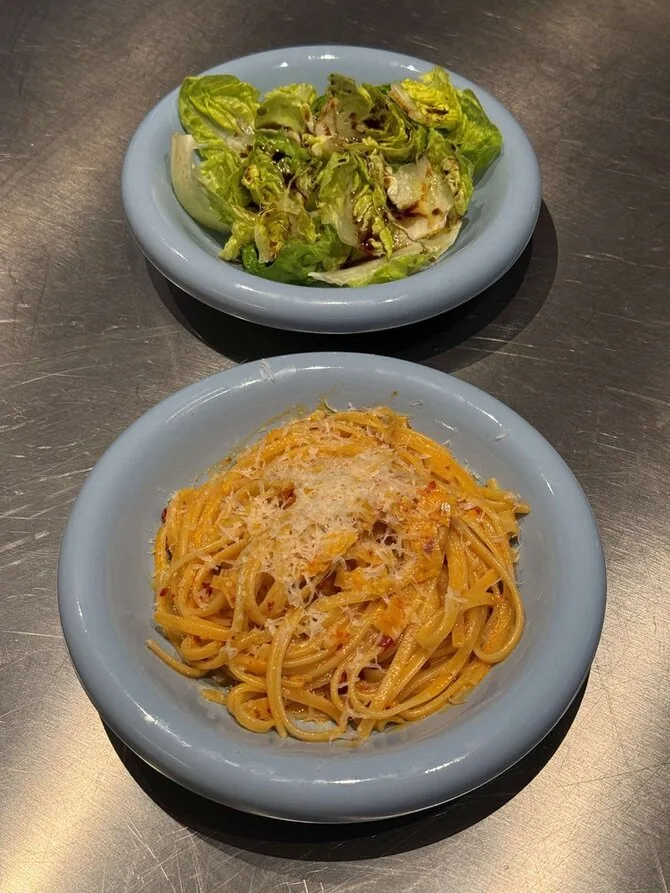
According to V. M. Murėnaitė, when making pasta with nduja, it is important to consider that it is quite spicy. If needed, the spiciness can be “toned down” with cream or milder cheese. To make this dish you will need:
- 250 g spaghetti or linguine;
- 3–4 tbsp cured spreadable nduja sausage;
- 1 small leek;
- 200 ml heavy cream;
- 50 g hard Pecorino Romano cheese;
- salt, ground black pepper (to taste).
Preparation. Boil water, salt it, then add the pasta. When cooked, drain and keep a cup of the cooking water. In a pan heated over medium heat, add the nduja sausage and cook, stirring, until the sausage completely melts and starts to fry. Add finely chopped leek and sauté for a few minutes until softened. Then pour in the cream, wait for it to boil, and turn off the heat. Add the pasta, pour a few tablespoons of pasta cooking water, and mix everything thoroughly. Serve sprinkled with grated cheese.
Pasta salad with tuna
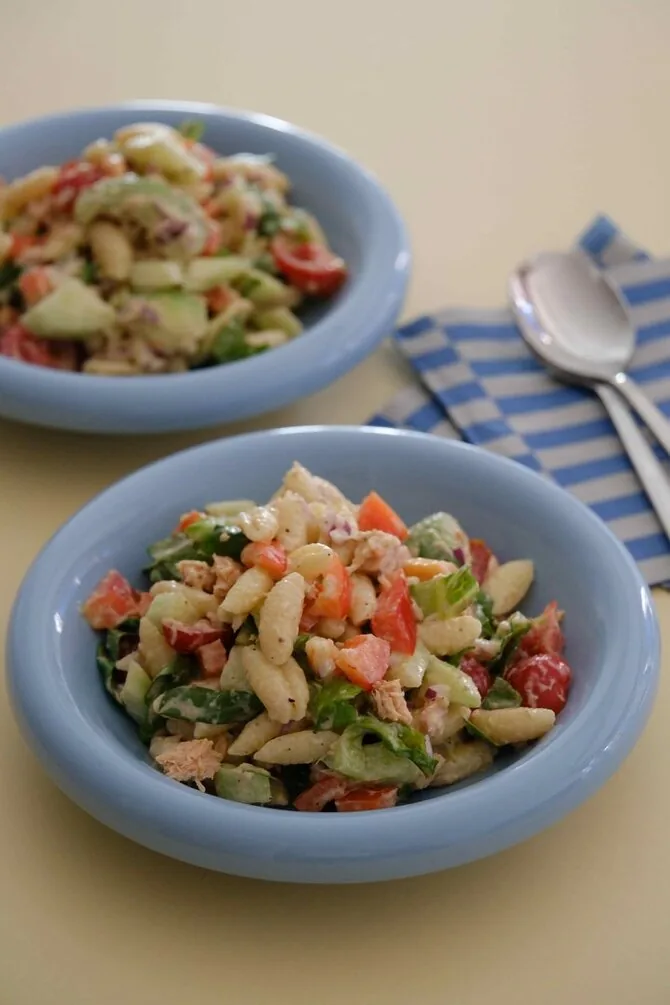
If you have made too much pasta, you can quickly make delicious salad from it the next day in just a few minutes. According to V. M. Murėnaitė, it is best enjoyed straight from the bowl. To make the salad you will need:
- 200 g cooked pasta leftover from the night before;
- 100 g canned tuna;
- 1 red sweet pepper;
- 0.5 romaine lettuce;
- 1 avocado;
- 2–3 short cucumbers;
- 10 cherry tomatoes;
- 1 red onion;
- 2–3 tbsp mayonnaise (Greek yogurt can also be used);
- 1 tsp mustard;
- salt, lemon pepper (to taste).
Preparation. Finely chop all the vegetables and lettuce. You can briefly warm the pasta with a few tablespoons of its cooking water, but cold pasta works perfectly too. In a large bowl, combine the pasta, chopped vegetables, tuna, mayonnaise or yogurt, season with mustard and other chosen spices, and mix everything well. Enjoy!
Read more An oil refinery and the Wildberries center caught fire in Bashkiria