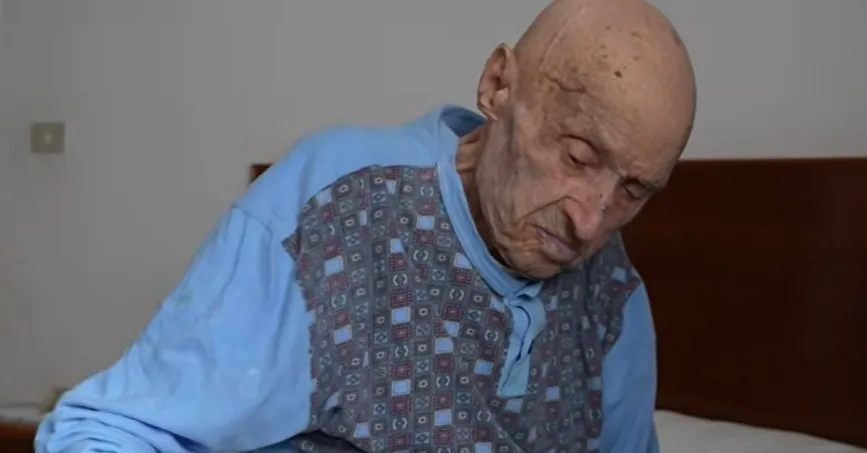
Gambling debt does not automatically become joint
According to the lawyer, the mere fact that a loan was taken during the marriage does not mean that both spouses are equally responsible for it. According to the Civil Code of the Republic of Lithuania, joint obligations of spouses are generally considered those related to joint property, maintenance of the household, children’s needs, family interests, or assumed with the consent of both spouses.
Read more In a German border town, some residents are urged to evacuate due to a forest fire in Belgium
“If one spouse takes a loan without the other’s knowledge and loses the money gambling, such a debt should generally be considered his personal obligation, not a joint family debt. Gambling cannot be considered as meeting family needs,” explains V. Budnikas, who has been providing free consultations for several years to those addicted to gambling in the community “I am”.

Joint liability of spouses does not arise if one of them takes a loan without the other’s consent that is not necessary to meet the common family needs. Therefore, a spouse who was unaware of the loan and did not benefit from it can be relieved of responsibility for such a debt.
Personal debt does not mean family property is safe
The lawyer points out that it is necessary to distinguish two things – personal responsibility to creditors and recovery from the joint property of spouses.
A non-gambling spouse should not assume that the joint property is completely protected just because he himself did not gamble and did not take the loan.
If the debt is the personal obligation of one spouse, it should first be recovered from his personal property. However, if that is insufficient, the creditor may seek recovery from the debtor’s share in the joint property. “This does not mean that the other spouse becomes a debtor, but in practice, the family property may be at risk,” emphasizes the lawyer.
Therefore, a non-gambling spouse should not assume that the joint property is completely protected just because he himself did not gamble and did not take the loan. “If the family has joint property, especially real estate, theoretically recovery can be directed at the debtor’s share,” notes V. Budnikas.
What were the funds used for?
During divorce proceedings, the court determines which property of the spouses is joint and which is personal, and also assesses which obligations should be considered joint and which personal.
“If during the divorce process it is established that one spouse borrowed for personal needs or gambling without the other spouse’s consent, there is a basis to consider such debt as the personal obligation of that spouse,” explains the lawyer.

He points out that the court can evaluate not only who took the debt but also whether joint family property was used for gambling. If so, the other spouse may seek compensation for the reduced share of the joint property that belongs to them.
Suggests considering a prenuptial agreement
According to the lawyer, although marriage is based on mutual trust, if one feels that the harmful habits of one spouse threaten the family finances, one should not remain passive.
One possible legal measure is a prenuptial agreement. In it, spouses can discuss the legal regime of personal and joint property, mutual rights and obligations, contribution to family expenses, and other property matters. “Such an agreement can protect one spouse from possible future claims to joint property,” says V. Budnikas.
He also advises gathering information about transactions the other spouse has already made or plans to make. A non-gambling spouse can inform creditors that he did not consent to assume specific obligations, the money was not used for family needs, and the family did not benefit from it.
Read more The lifebuoy turned the other way: Gasoline imported from Russia turned out to be twice as expensive
One of the more common mistakes is agreeing to guarantee with one’s property when a gambling spouse takes a new loan to cover previous debts. In such a case, a person who did not gamble and did not assume initial obligations can become a joint debtor by signing.
“A non-gambling spouse may want to help solve the problem, but by agreeing to guarantee with their property, they assume responsibility for the debt themselves,” warns the lawyer. Therefore, before signing guarantee or other financial documents, it is important to understand what legal consequences they will have.
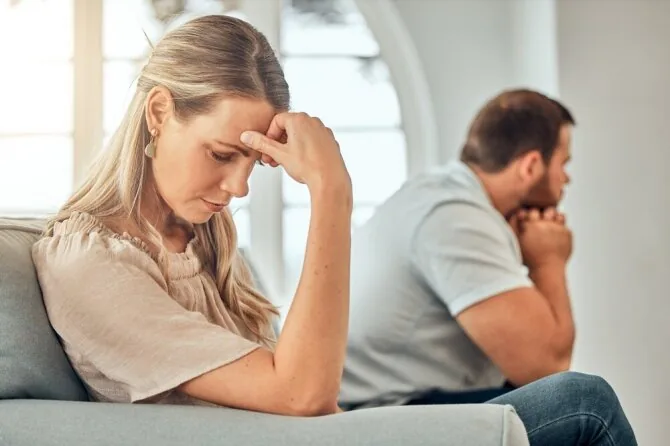
Does not advise hiding property
Fearing possible recovery, people sometimes try to transfer property to relatives, gift it, or sell it to others for a nominal price. V. Budnikas advises avoiding such decisions.
Attempting to hide property may not only fail to help but also increase the losses incurred.
“Creditors and insolvency administrators have the right to challenge such transactions. Moreover, later it may be necessary to cover their litigation costs, which can amount to about 5,000 euros,” he warns.
Thus, attempting to hide property may not only fail to help but also increase the losses incurred.
One of the most important rules, according to the lawyer, is to cooperate with creditors and bailiffs. Avoiding them, ignoring letters, or refusing to talk does not solve the problem. On the contrary, the creditor has no choice but to continue active recovery.
“All creditors are interested in debt recovery. Therefore, it is necessary to actively seek ways to solve the problem, not ignore it,” emphasizes V. Budnikas.
According to him, paying off at least part of the debt may provide a basis for further cooperation and negotiations regarding the remaining amount.
Part of the debt can be covered with pension funds
V. Budnikas points out that with the state allowing withdrawal of funds from the second pension pillar, this could help some debtors reduce accumulated debts.
“By withdrawing these funds, it would be possible to cover at least part of the debts and thus show creditors that the person is trying to solve the problem. This could become a basis for further negotiations and possible reduction of the remaining debt by mutual agreement,” summarizes the lawyer.
Funded by the State Public Health Promotion Fund (state budget) funds.
Read more Klaipėda Festival opened with «The Creation of the World»