In the suburbs of Kyiv, a group of patriotically minded teenagers participate in military training under the supervision of instructors. The youngest among them is 14 years old. They come here several times a week after school and openly talk about preparing to replace fallen soldiers. To them, it seems like a duty that has already become part of the daily war.
Read more WSJ: Putin may expand the war beyond Ukraine for 1 reason
Meanwhile, in Kyiv itself, 28-year-old Ivan lives in isolation, hiding from mobilization. He once financially supported the army, but now avoids any contact with the outside world and has effectively withdrawn from public life.
The publication notes that such contrasting stories exist not only in one city but also reflect different realities of the war in Ukraine – from patriotic enthusiasm to avoidance of mobilization.
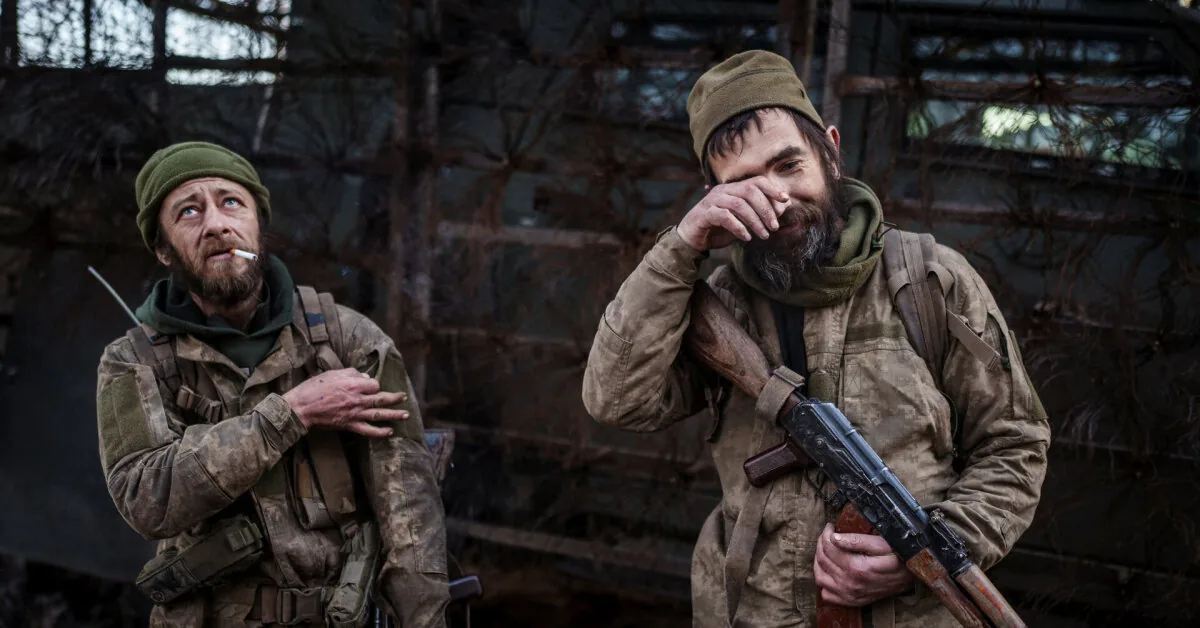
Despite this, the overall picture of the war for Ukraine has changed. The front line has essentially stabilized, European support continues, and the country is rapidly developing its defense sector, especially drone production. At the same time, the political leadership increasingly views the prolonged war as inevitable.
Ukraine has reached a critical stage: it has preserved its sovereignty, but stability alone does not yet mean victory. The state faces issues of resource and human potential depletion, writes The Economist.
The war that Ukraine is currently holding back
The Ukrainian army reports a gradual increase in defense effectiveness, largely due to the use of unmanned systems. According to their assessment, Russian army losses remain high, and the pace of personnel replenishment is insufficient to compensate for them.
Despite constant pressure on the front, Russia is not achieving its planned objectives in Donbas within the expected timeframe. Ukrainian leadership states that the advantage is manifested not only in technology but also in the speed of unit adaptation and motivation.
A key factor has been long-range strikes on supply infrastructure and military facilities on Russian territory. Most of these systems are produced by Ukraine itself, gradually reducing dependence on external supplies, although intelligence data from partners remains especially important.
The commander of the 413th regiment, Yevhen Karas, says that now achieving targets deep in Russian territory is “three times easier” than before. His unit carried out several important operations, specifically the March strikes on “Silicon El” – a manufacturer of microchips for Russian ballistic missiles. The soldier says:
“The war is not a paradise for Ukraine, but it is much worse for Russia and will become even harder.”
He predicts that Russia will face an air defense crisis in the fall. By that time, Ukraine’s ballistic missile production should be ramping up, causing fear and confusion deep inside Russia.
“By all conventional measures, Ukraine should already have lost. It is holding back an enemy whose population is 4.5 times greater than its own, whose land area is 28 times larger, and whose economy is 12 times bigger,” writes The Economist.
Facing criticism
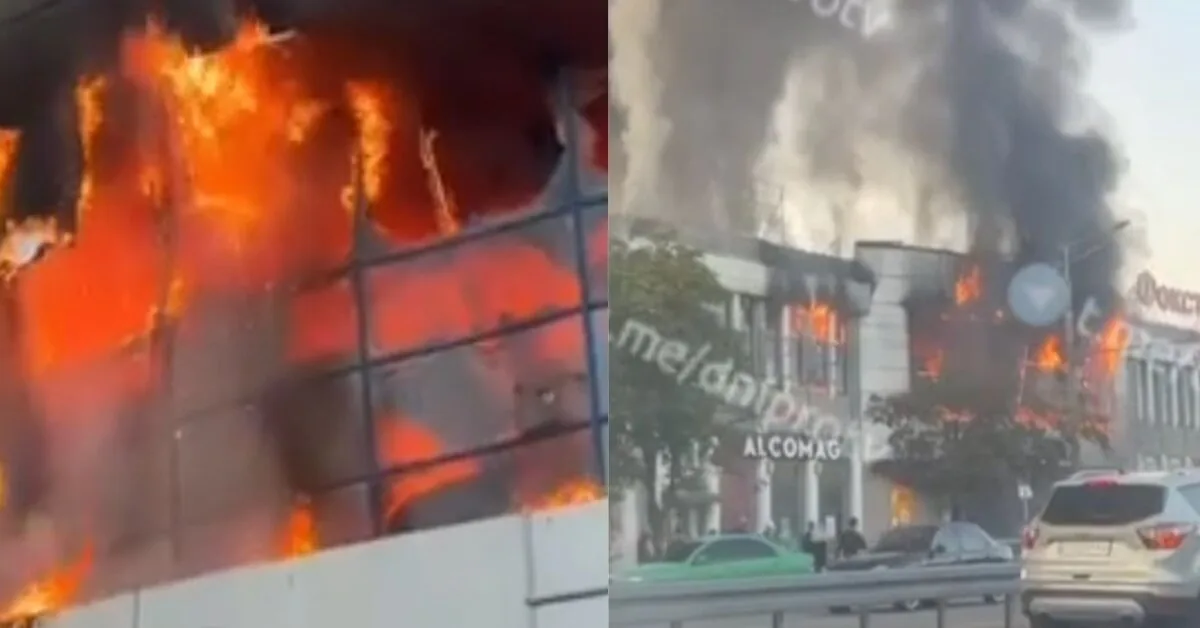
Despite military successes, the consequences of the war inside the country are becoming increasingly tangible. Ukraine’s infrastructure is constantly suffering, and the energy system remains vulnerable. Mass drone and missile attacks continue to target major cities, including Kyiv.
Despite President Volodymyr Zelensky’s public stoicism and diplomatic efforts, the highest level of Ukraine’s governance style is increasingly criticized. According to sources close to political processes, the decision-making system is becoming more concentrated around a narrow circle of individuals, and the governance format is becoming increasingly centralized.
Experts say that the President’s office is increasing its influence on the information environment, especially through a network of affiliated media resources and social accounts used to shape public narrative and criticize opponents. They claim that individual anti-corruption initiatives have faced pressure and opposing legal actions.
“Government sources say Zelensky has ordered preparations for a war lasting another two to three years. There is no convincing reason why Ukraine could not fight for that long. It will survive, although tainted by war militarism and corruption. For some Ukrainians, that is not enough,” the publication states.