









As stated in the VMVT press release, the essence of preservation is to create conditions in which microorganisms that spoil food or are dangerous to humans cannot multiply, and to protect the already prepared product from recontamination. This can be achieved by using acid, sugar, salt, cold, heat treatment, or a combination of several of these factors.
Read more In Russia – the first Duma elections since the 2022 offensive: everyone gripped by huge fear
That is why strawberry jam, pickled cucumbers, and meat preserves cannot be evaluated equally – different products require different preservation methods.
“When preserving, the most important thing is the conditions created for microorganisms. Some products are safely preserved by acidity, others by sugar, salt, or heat treatment. Special care must be taken with low-acidity products – meat, fish, mushrooms, and some vegetables. Improper preservation of these can create conditions for dangerous microorganisms to multiply, so one should not improvise or rely solely on ordinary boiling,” says Indra Urbonavičiūtė, senior specialist at the VMVT Animal Products Department.
Most caution is needed when preserving low-acidity products
Many fruits, berries, and properly acidified products are more acidic, so such an environment is unfavorable for some dangerous bacteria. It is different with low-acidity foods – meat, fish, many vegetables, or mushrooms.
In such products, especially when stored tightly sealed and without oxygen, improper preservation can create conditions for Clostridium botulinum bacteria. Their spores are heat-resistant, so simple boiling may not be sufficient.
Improperly prepared homemade preserves are one of the well-known foodborne botulism risks, so VMVT recommends following reliable, product-specific recipes and recommended preservation methods when preserving.
Read more The Prime Minister spoke about whether the heating allowance will be reinstated
Long shelf life does not necessarily mean many preservatives are present
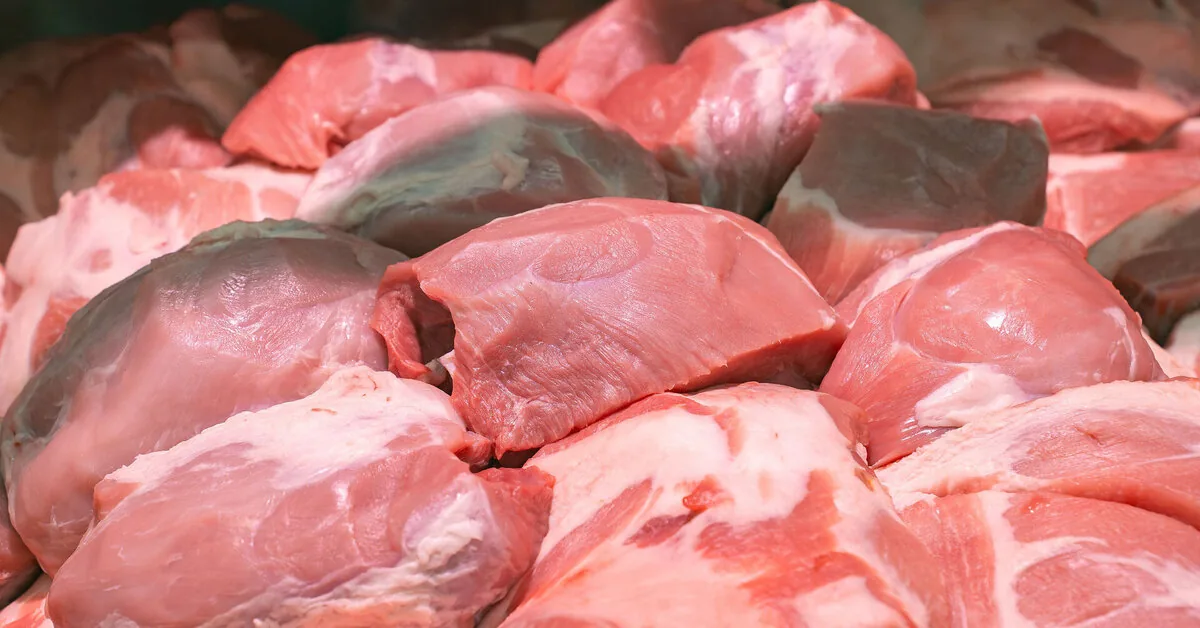
Meat preserves require special attention. Meat contains a lot of moisture and has low acidity, so reliable heat treatment is necessary for meat preserves stored at room temperature for a long time.
In industrial production, sterilization precisely controls not only temperature and heating time but also how heat is distributed throughout the package. It is important that sufficient heat reaches even the part of the product that heats up the slowest.
Modern technologies allow this process to be controlled more accurately. Sensors and computer systems help monitor temperature and assess how heat is distributed in the product. The goal is to ensure food safety while not heating the product longer than necessary to best preserve its taste, texture, and nutritional value.
Therefore, a long shelf life of sterilized meat preserves does not by itself mean they contain many preservatives. The safety and long shelf life of properly made preserves are primarily ensured by the properly selected heat process and hermetic packaging. If there are doubts about the safety of homemade preserves, they should not be tasted just to “check” – botulinum toxin cannot be reliably detected by the product’s appearance, smell, or taste.
Preservation is an old method of food conservation, but safe preservation is not guesswork. No matter what goes into the jar – apples, vegetables, mushrooms, or meat – the most important thing is to choose a suitable and safe preservation method for each product.
Read more Alytus police found 12 liters of homemade moonshine-filled cannabis at the suspect’s home