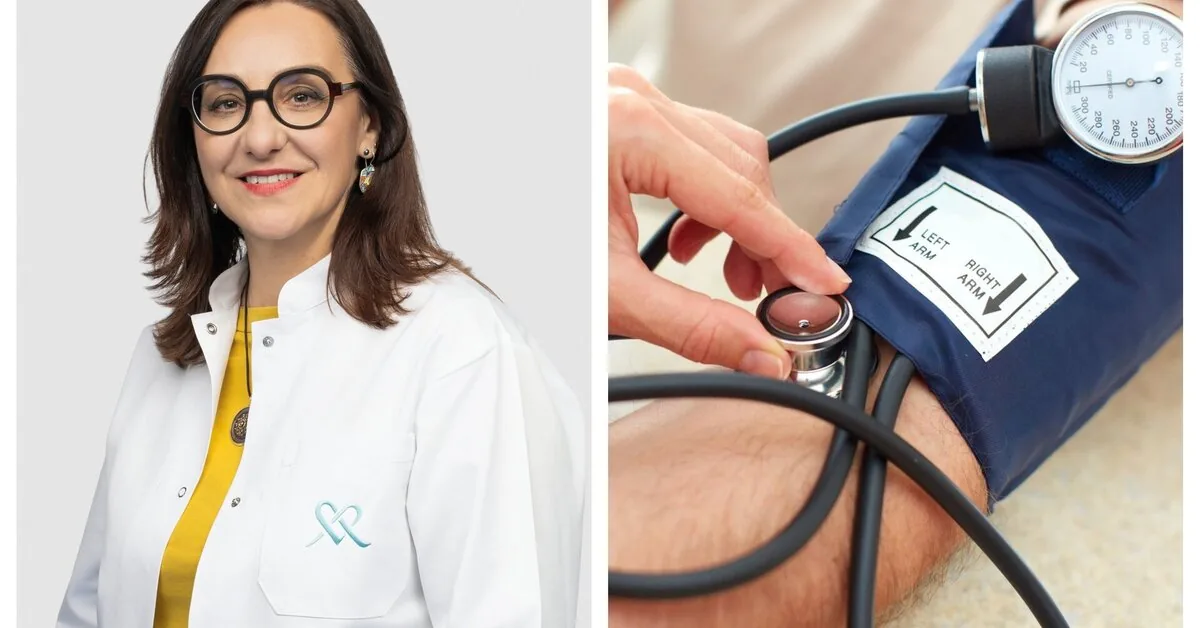
According to the doctor, blood pressure that is constantly higher than 135/85 mmHg is considered elevated, while the ideal is around 120/80 mmHg. Mildly elevated blood pressure reaches up to 135/85 mmHg. The initial stage of hypertension is diagnosed when arterial blood pressure is 135-139/85-89 mmHg, and advanced hypertensive disease is when it constantly exceeds 140/90 mmHg.
Read more Dangers of buying a home «from blueprints»: experts warn about the most common costly defects
The body gradually adapts to constantly elevated blood pressure, so symptoms are often not felt.
“Elevated pressure acts like doping: we are active, energetic, restless, and often very productive, so we rarely think that during such a condition we might find elevated blood pressure,” explains Dr. E. Uždavinytė-Gatelienė.
The body gradually adapts to constantly elevated blood pressure, so symptoms are often not felt.
The most dangerous are disease complications
It is precisely because of complications that arterial hypertension is treated. Constantly high blood pressure damages target organs: the brain, kidneys, and heart.
“The disease of elevated blood pressure is dangerous because of its complications – stroke, heart attack, damage to the cardiovascular system, ischemic disease, dementia, aortic dilation, and even rupture,” lists the cardiologist from VUL Santaros Clinics, emphasizing that high blood pressure damages blood vessels, disrupts circulation, and the supply of blood and nutrients to important organs.
One common consequence of long untreated elevated blood pressure, according to the specialist, is heart rhythm disorders, especially atrial fibrillation: “The most severe consequence of atrial fibrillation is ischemic stroke, i.e., brain infarction, which can severely and permanently disable the patient.”
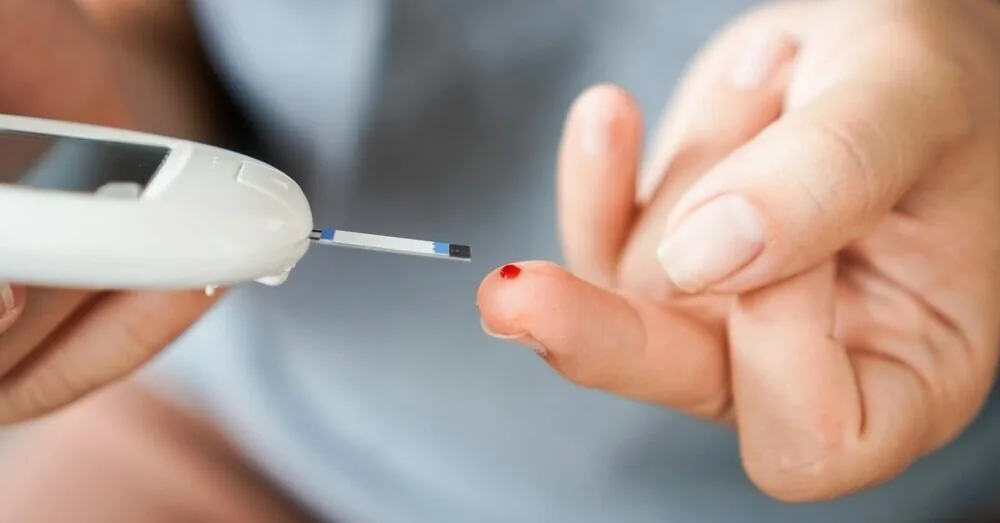
The doctor points out that in diabetes, elevated blood pressure is even more dangerous because the body is simultaneously affected by carbohydrate metabolism disorders. For this reason, lower blood pressure norms – up to 130/80 mmHg – are recommended for patients with diabetes.
What symptoms can indicate a problem?
Although hypertension often does not cause clear symptoms, some signs may warn about it.
According to Dr. E. Uždavinytė-Gatelienė, high blood pressure may be indicated by a throbbing headache, hand tremors, inappropriate anxiety, agitation, facial redness, or a feeling of heat. However, a single rise in blood pressure does not necessarily mean disease.
“In cases of extreme stress, sometimes during viral or other illnesses, when taking certain medications, or with great fatigue, episodic blood pressure elevation is normal,” explains the cardiologist.
If elevated blood pressure is noticed, it is recommended to measure it regularly at least twice a day for several weeks, record the results, and only then consult a family doctor or cardiologist.
Several factors increase the risk
The doctor reminds that the main risk factors for hypertension are heredity and unhealthy lifestyle. Obesity, lack of physical activity, improper diet, alcohol consumption, constant stress, poor sleep, and insufficient rest significantly increase the likelihood of developing hypertension.
“It is a vicious circle here: elevated blood pressure promotes the development of the mentioned diseases, and these diseases greatly increase the consequences of arterial hypertension on the body,” states the doctor.
The highest risk group includes people with diabetes, kidney failure, ischemic heart disease, heart failure, those with aortic aneurysm, those who have suffered a stroke or heart attack, as well as patients diagnosed with rhythm disorders.
For some individuals, elevated blood pressure may be a consequence of another serious disease.
When assessing hypertension risk, according to Dr. E. Uždavinytė-Gatelienė, it is very important to evaluate the condition of target organs – the heart, kidneys, and the fundus of the eyes. Changes in these organs help determine the specific patient’s risk, select treatment, and target blood pressure goals.
She also points out that for a small number of patients, elevated blood pressure may be a consequence of another serious disease. In such cases, the primary disease is treated first.
Read more Volodymyr Zelensky: Ukraine has a window of opportunity for negotiations with Russia until winter
How to properly measure blood pressure?
The cardiologist emphasizes that it is very important to measure blood pressure properly. It is best to do this after sitting quietly for a few minutes and at the same time – in the morning just after waking up and in the evening before going to bed.
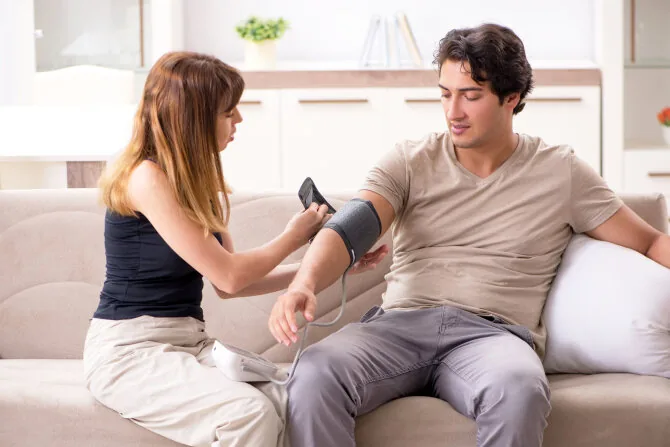
When measuring blood pressure with an automatic device, the cuff should not be tightened too much – a few fingers should fit between it and the arm. It should be placed 1 or 2 centimeters above the elbow bend, and the device itself should be at heart level.

According to the doctor, if the pressure is very high or very low, there are many irregular beats, or the heart rhythm is disturbed, measurements may be inaccurate.
The most accurate blood pressure measurement is done with a mechanical device using a stethoscope, but such devices are more often used in medical institutions.
The doctor also reminds that blood pressure in medical institutions is often inappropriately high for many patients, so doctors often rely more on measurements taken at home.
“One of the most common mistakes patients make when visiting doctors is averaging blood pressure numbers. Such averages have little meaning because they only show trends. Doctors are most interested in individual measurements and their dynamics,” she says.
Another problem is measuring blood pressure too frequently. The doctor warns that measuring blood pressure 10–15 times a day shows inadequate patient anxiety and hypochondria: “Such frequent measurement can ‘make even a healthy person sick.’”
Therefore, a few times a day is completely sufficient to realistically assess the situation. When taking medication, it is recommended to monitor blood pressure more frequently during the first month of treatment or until a stable result is achieved. Later, it is enough to measure it several times a week or when new symptoms appear.
A common mistake – arbitrarily stopping medication
According to Dr. E. Uždavinytė-Gatelienė, elevated blood pressure is often a consequence of modern lifestyle, so much can be changed by adjusting daily habits.
She highlights the most important things: normal body weight, healthy diet, reduced salt intake in food, limiting caffeine, energy drinks, and alcohol, sufficient physical activity, quality sleep, rest, and stress management.
“Normal weight is when the body mass index is less than 25. I very rarely meet such patients in Lithuania,” notes the doctor.
According to her, non-drug treatment methods are always tried first. If after three months of lifestyle correction blood pressure still remains above 135/85 mmHg, treatment with medication is started.
However, patients often make one very dangerous mistake – arbitrarily stopping treatment: “If a patient takes medication regularly for a month after it is prescribed and observes a good effect, they often believe they are cured and stop taking the medication on their own.”
Another common mistake is independently changing the treatment regimen according to each measured blood pressure. According to the doctor, most modern antihypertensive drugs are combination drugs, work comprehensively, and for a long time, so inconsistent use can have serious consequences.
“Pressure goes down and then very high, and such jumps are the greatest danger,” she warns.
When adjusting treatment, it is recommended to consult with medical professionals, as only they can safely and effectively select the appropriate treatment regimen.
Funded by the State Public Health Promotion Fund (state budget) funds.
Read more Ukrainian drones have taken control of important Russian supply routes in the Luhansk region