The changes aim to modernize the program’s implementation by introducing digital solutions that will allow for more efficient identification of target group residents, automated data processing, and improved quality of preventive services, writes the Ministry of Health.
Read more Lavrov awaits a meeting with Trump’s man: «It’s good to ask questions and get answers»
Implementing the changes, the program will be integrated into the Electronic Health Services and Collaboration Infrastructure Information System (E. health). This will enable automated selection of residents for whom the prevention program is intended, sending them invitations, allowing specialists to fill out structured clinical questionnaire forms for cardiovascular diseases, and real-time monitoring of residents’ participation in the program.
“Digital solutions will not only reduce the administrative burden on healthcare institutions but also ensure more accurate data, more effective monitoring of preventive programs, and better accessibility for residents. This is another step towards creating a more modern, efficient, and patient-friendly healthcare system,” says Minister of Health Linas Kukuraitis.

Until now, program data was handled manually, which increased the risk of human error, complicated data analysis and monitoring. With the implementation of new functionalities, automated data collection and processing will be ensured, and the indicators required for decision-making will be available more promptly.
The integration of the program into E. health is part of a project to modernize the national E. health system and develop new solutions for coordinating and monitoring preventive programs. These changes will help increase the effectiveness of preventive programs, improve public participation in them, and ensure a higher quality assessment of cardiovascular disease risk.
Read more Fourth Vice-Minister of Finance – Lineta Jakimavičienė
Greater focus on kidney diseases
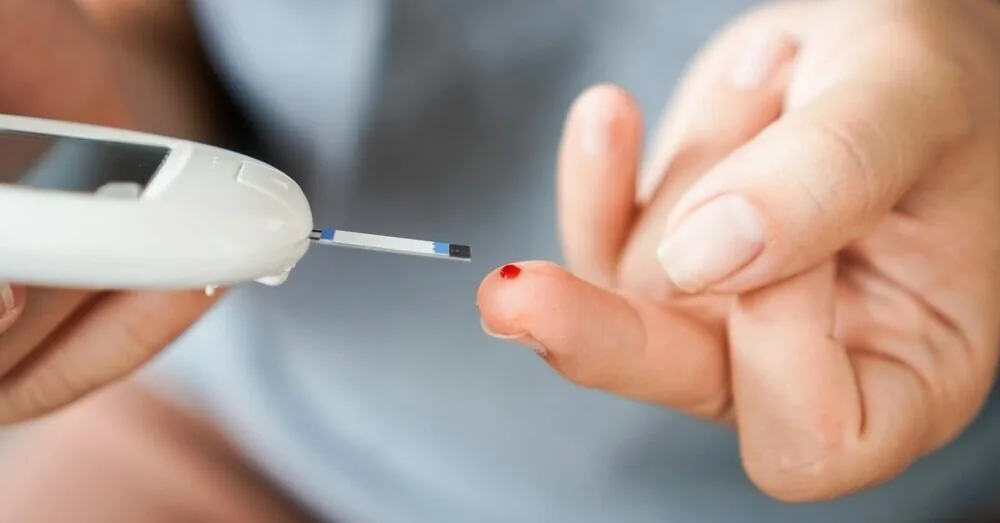
The updated program description also strengthens early diagnosis of kidney diseases – the target population for albuminuria (albumin-to-creatinine ratio) testing is expanded. This will allow earlier detection of kidney function disorders, which are closely related to the risk of cardiovascular diseases.
Furthermore, the role of general practice and advanced practice nurses is more clearly defined. According to their competence, they will be able to perform cardiovascular disease risk assessment and fill out dedicated electronic medical documents.
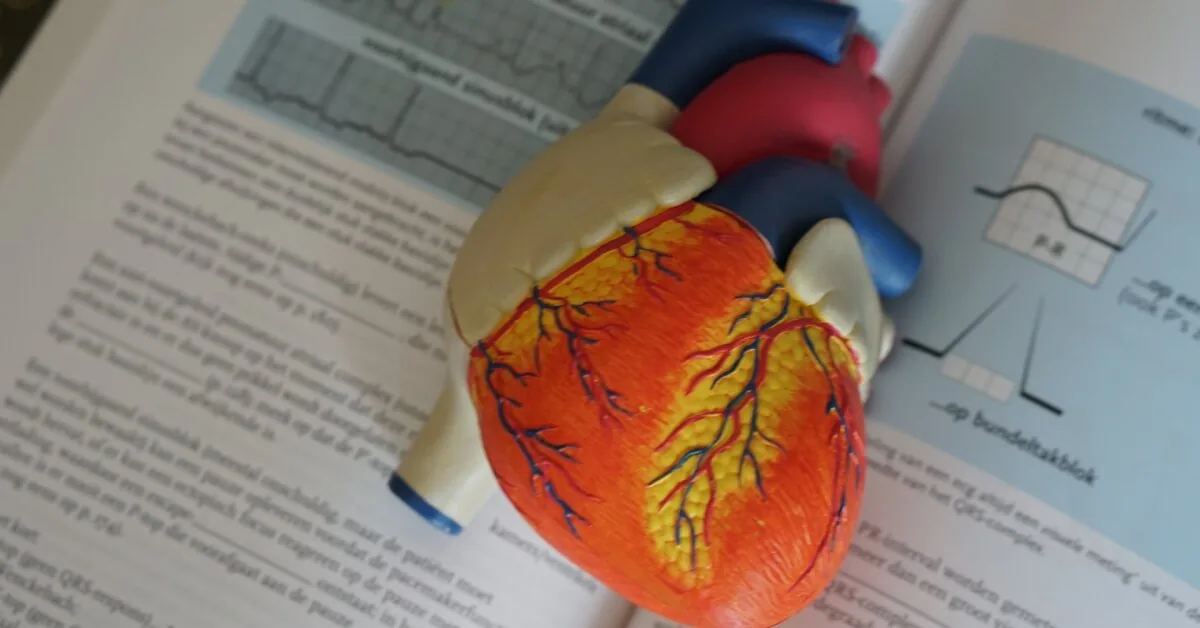
Cardiovascular diseases are the leading cause of death in Lithuania. They account for more than half of all deaths annually, making early identification of risk factors and timely prevention one of the most important tasks of the healthcare system. The earlier an increased risk is identified and preventive measures are applied, the greater the chance of avoiding serious complications – myocardial infarction, stroke, or other life-threatening conditions.
Read more Annual Nevėžis aquatic vegetation mowing works have started in Panevėžys