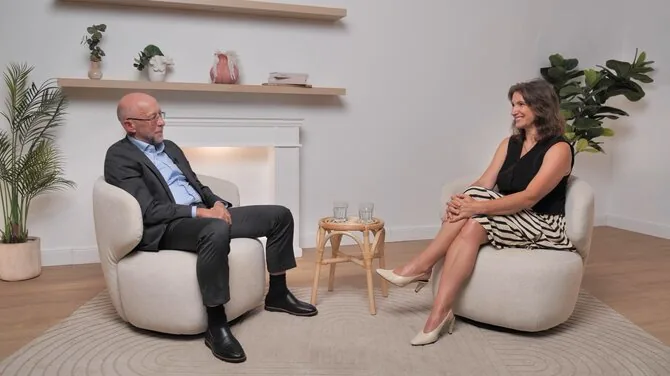
In the podcast “Lithuania is Recovering,” hosted by Laura Dabulytė, he talked not only about the importance of movement but also about how Lithuanians’ attitudes towards their health are changing, why still too few people participate in preventive programs, and why quality medicine must be as close to the patient as possible, according to a press release.
Read more Environmentalists ask prosecutors to evaluate the activities of «Ekonovus» in Naujoji Vilnia
“The greatest benefit is gained by those people who move very little and simply start to move. The jump from complete inactivity to less than average physical activity is huge in terms of survival and health. Nature rewards a person – for a small effort, you get a huge reward,” says A. Šimaitis.
Physical exercise – the best medicine invented by humanity
According to the cardiologist, much attention in medicine is given to new drugs and their effects, but sometimes we forget the tool that everyone has in their hands – physical activity. “In medicine, we talk about drugs that lower cholesterol, improve survival, reduce the risk of heart attacks or sudden death. But physical exercise affects at least twenty or thirty diseases – it can help prevent them or improve the prognosis,” says A. Šimaitis.
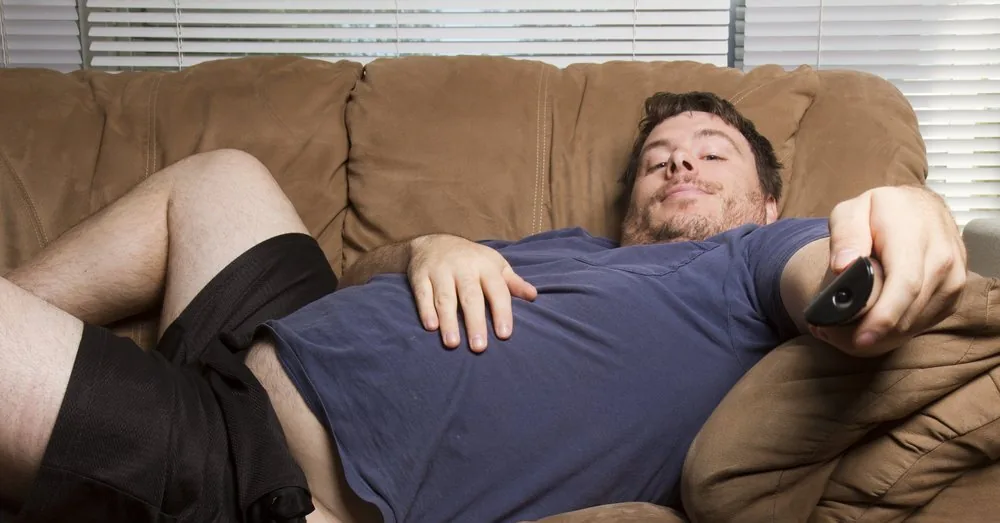
According to the doctor, the human body is evolutionarily adapted to move, so a sedentary lifestyle eventually affects health. “We look for drugs that will improve something for us, although nature has already rewarded us. We are made to move. When we start living an increasingly sedentary lifestyle, various consequences and diseases appear,” says the doctor.
A. Šimaitis himself has been cycling for many years and rides about 5–6 thousand kilometers per year. Recently, he cycled 560 kilometers from Geneva to Nice through the Alps in six days. However, the doctor emphasizes that it is definitely not necessary to aim for such physical exertion, especially for a person who has hardly exercised until now.
The greatest benefit is gained by those who start with small steps
A. Šimaitis draws attention to one of the most important principles of physical activity: to feel the health benefits, it is not necessary to become a marathon runner or spend hours every day in the gym. “The jump from complete inactivity to less than average physical activity is huge in terms of survival and health. Later, those jumps are much smaller,” explains the cardiologist. Therefore, according to him, the most important thing is not to set big sports goals right away but to start with a manageable change.
Age, he says, is also not a reason to give up activity by itself. If a person can move and their joint condition allows it, physical activity should not be abandoned even at an older age. A. Šimaitis names cycling as a joint-friendly form of physical activity.
Lithuanians are increasingly taking care of their health
A. Šimaitis, who lived and worked in the United Kingdom for many years, says he was able to closely compare the attitudes of patients in that country and Lithuanians towards health. If two decades ago the differences were significant, today, in his assessment, they have almost disappeared.
Read more Despite the lure of Europe, Westbrook will continue to chase an NBA contract
“Twenty years ago, I felt the difference, and now I would say that if it exists, it is minimal. Previously, the proportion of people who cared about their health was much smaller than now,” notes the doctor.
According to him, this is also influenced by greater access to information – people read more about health, are interested in nutrition, physical activity, and prevention. “We certainly do not lag behind in the care for our health and the number of people interested in it. Of course, there are also those who are completely uninterested, but the situation is clearly improving,” says A. Šimaitis.
Only about half of those eligible participate in preventive programs
Although people’s awareness is increasing, one of the untapped opportunities, according to A. Šimaitis, remains state-funded preventive programs. Speaking about cancer and cardiovascular disease prevention, he points out that about half of those eligible participate in these programs.
“I think it should be about 80–90 percent. We have to think about how many diseases we can prevent this way. Considering that our demographic indicators are not good, it is both the whole state’s and the people’s responsibility – that people live not only longer but have as many quality years of life as possible,” he emphasizes.
Top-level care must be as close to the person as possible
Another important change in the health system that A. Šimaitis talks about is the possibility to receive top-level medical services as close as possible to the place of residence. This is one of the main directions of the vision of the hospital he leads.
“The ultimate goal is the patient. 300 or 350 kilometers in some cases is a very long distance. That patients receive top-level services as close as possible to their place of residence is one of the European Union’s values, according to which health care systems must be created,” says A. Šimaitis.