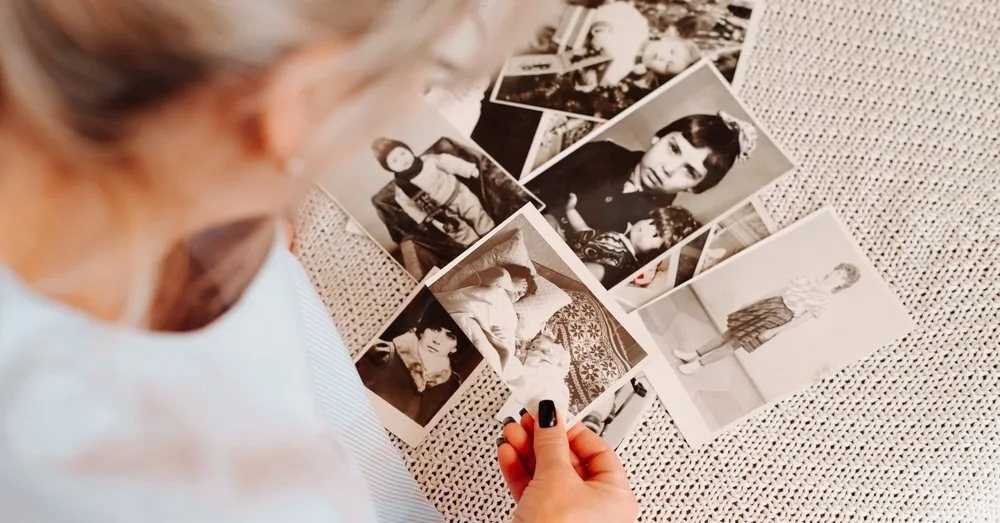
This desire to look back at a familiar past is especially understandable today, when a significant portion of people live against a backdrop of increased uncertainty. According to the National Well-being Index (NWI) initiated by “Eurovaistinė,” nearly a third – 29% – of the population indicate that their well-being is currently most affected by a feeling of insecurity about the future and world events, according to a press release.
Read more In Klaipėda, a gang of teenagers brutally beat a young man: «The image is cracked, isn’t it?»
This is one of the most frequently mentioned factors affecting well-being in the country. The same number of people mention physical health problems and psychological condition, while the most – 34% – mention sleep quality and fatigue.
“The research shows that the well-being of Lithuanian residents depends not only on what is happening in their own lives but also on how they feel in the face of a broader, hard-to-control world. When there is a lot of uncertainty around, it is natural to seek supports that would restore a sense of security – this can be a circle of close people, a familiar environment, or even simple daily rituals. Therefore, it is important to help people recognize and consciously strengthen those daily supports that increase emotional resilience and help endure periods of uncertainty more easily,” says Eglė Laskauskaitė, a pharmacy expert.
Once a disease, today an emotional support
Nostalgia was not always perceived as a pleasant feeling. Since the 17th century, it was long considered even a medical disease – the so-called homesickness syndrome, which supposedly affected soldiers far from home. Today’s research paints a very different picture.

“Now nostalgia is already evaluated positively and often causes a positive effect. By remembering something pleasant – a song, the smell or taste of childhood – we seem to transport ourselves to where it happened. Research links nostalgia with a stronger sense of connection with others, a clearer sense of self, and higher self-esteem,” explains D. Jakučionis.
According to him, nostalgia most often visits when loneliness, boredom, or a sense of meaninglessness takes over, and it acts as a kind of restorer of balance. “When we listen to music dear to us, brain areas related to reward and self-perception are activated. Therefore, a favorite old song can cause a very real feeling of pleasure – similar to delicious food or good news,” says the psychotherapist.
Why do memories from adolescence and early youth have the strongest effect?
For many people, the songs, movies, or experiences that accompanied adolescence and early youth seem especially dear. Research shows that the peak of memories related to musical experiences usually falls around the age range of 15–25 years.

According to the psychotherapist, one of the most important reasons is that at this time a person’s identity is intensively formed. In adolescence and early youth, the question “who am I?” is increasingly sought, and music, movies, and other experiences are remembered together with the forming self-image.
“We best remember what was personally significant at that time. Moreover, at this stage of life, a person turns more to peers, the belonging and reward systems are stronger, so the emotions and songs experienced together are etched deeper,” explains D. Jakučionis.
Read more A train derailed for the second time in two days in the United Kingdom
However, he emphasizes that most research in this area is retrospective – people are asked what they remember. And memory is subjective, so such conclusions should be evaluated cautiously.
Nostalgia – also a powerful marketing tool
Businesses also clearly notice the power of nostalgia: old product designs are brought back, limited edition childhood flavors, music from previous decades in advertisements, and clothing styles. According to D. Jakučionis, this works because nostalgia is closely related to the feeling of belonging.
“Products that evoke a sense of recognition, emotional warmth, remind of a certain life stage, connection with one’s generation or group, and allow one to feel ‘at home’ become attractive to people,” explains the specialist.
Interestingly, induced nostalgia even changes attitudes toward money. Research shows that when people are overwhelmed by nostalgia, they value money less and are more willing to spend it. According to D. Jakučionis, this happens because the need for belonging is satisfied, and alongside it, money loses its significance at least temporarily.
“Therefore, the most effective nostalgia marketing does not offer ‘buy more.’ It offers belonging, connection, a kind of return home, and the product becomes just a medium for that feeling,” says the psychotherapist.
When does nostalgia start to interfere?
Returning to the past is not always innocent. D. Jakučionis suggests distinguishing reflective nostalgia from restorative nostalgia. In the first case, a person remembers a pleasant experience, accepts that it remains in the past, and returns to the present. In the second, they begin to believe that everything that was before was better – almost ideal.

Such thinking can develop into rumination – the persistent repetition of the same thoughts, which does not lead to a solution. Warning signs may include constant comparison of the present with the past, withdrawal from new experiences, or the belief that nothing good will happen anymore.
“Healthy nostalgia allows a brief return, taking warmth from the memory and being back in the present again. The problem begins when the past becomes the only place where a person wants to live. It can be a support but should not block what can still be created today,” emphasizes D. Jakučionis.
Read more Warns this bank’s customers to have cash: here is when you will not be able to pay by card