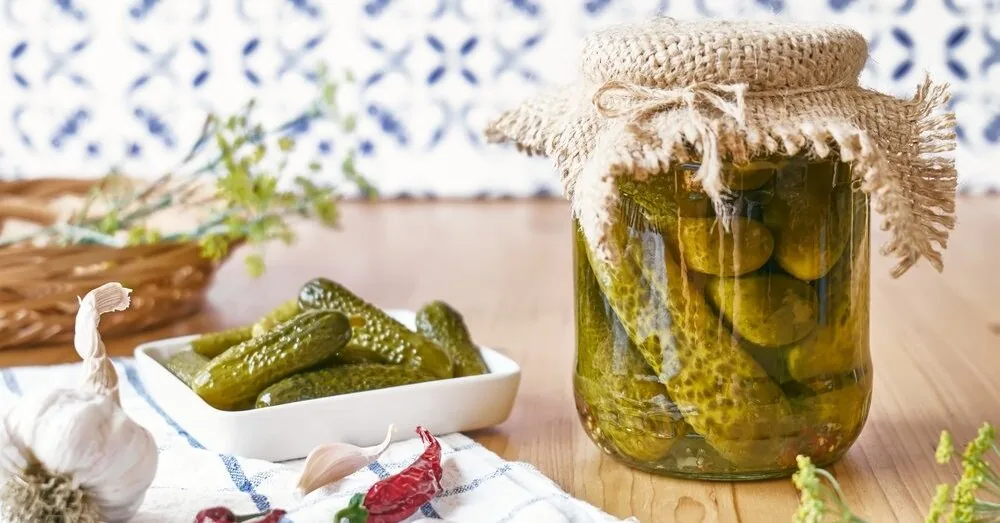
The Martynas Mažvydas National Library of Lithuania invites all residents of the country to participate in a unique campaign – until October 31, share your family’s secrets of fermentation, preservation, and pickling, which will be included in the official library collections for future generations, according to the library’s press release to the media.
“A large part of our cultural heritage is born not in manors or archives, but in everyday life. Family recipes are living history – they travel through generations, preserve our daily experiences, and tell about people better than any document. Therefore, we invite you to preserve these recipes and stories about them for the future,” urges Dr. Jolanta Budriūnienė, Director of the Documentary Heritage Research Department of the National Library, calling on Lithuanian organizations, communities, and private individuals to participate in the recipe-sharing campaign.
When home recipes meet noble traditions
Culinary heritage begins not in textbooks, but in home kitchens. To emphasize how precious and long-lasting old recipes are, historians present an authentic 17th-century recipe from the kitchen of the Grand Duchy of Lithuania (GDL) nobility. In the GDL noble kitchens, fermentation was a high-level craft. Here is how luxurious fermented cucumbers were prepared in the manors of the Radziwiłł era, astonishing foreign guests.
Historical Radziwiłł manor cucumber fermentation recipe
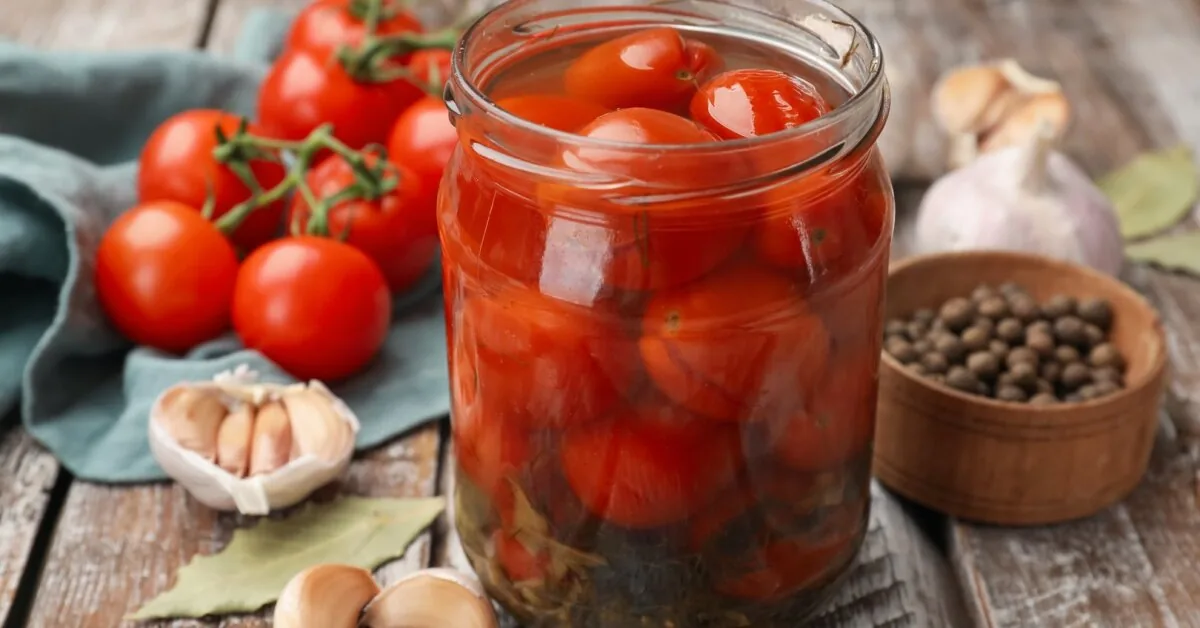
The cucumbers mentioned in the Radziwiłł manor cooks’ books were prepared not in jars, but in oak barrels, using special additives that ensured long shelf life and luxurious taste.
Read more “Reuters”: US delays $400 million aid to Ukraine until the end of Trump’s term
- Cucumbers: grafted, firm, small field cucumbers. They had to be picked only early in the morning, before the dew had fallen.
- Protection against spoilage – cloves: cooks added a few clove buds or coriander seeds to the brine. These were expensive spices, showing the manor’s luxury and acting as a natural antiseptic.
- Secret ingredient – oak bark: if fresh oak leaves were lacking, a clean piece of oak bark was placed at the bottom of the barrel. The tannins in it ensured that the cucumbers remained crunchy even until spring.
- Preparation: the inside of the barrel was rubbed with garlic. Cucumbers, horseradish, dill stalks, cherry and oak leaves were layered. Everything was poured with cold spring water brine (coarse rock salt from the Wieliczka mines was used). Pressed down with a scalded stone.
Today, your family’s homemade fermented cabbage, pickled mushrooms, or “signature” jam is just as valuable a part of our identity, so do not let these recipes fade away over time.
How can you share your family recipe?
- Send it digitally: write the text from memory or simply photograph/scan a handwritten page from your recipe book.
- Bring the original to us: we will safely scan it at the library and immediately return it to you.
- Donate the manuscript to the library: your family recipe notebook will enrich the library’s collections and become an officially preserved part of documentary heritage.
- Film it: share a short video of how you prepare this product.
Be sure to add a short story to the recipe (1–3 sentences):
- from whom (mother, grandmother, neighbor) did you learn this recipe?
- in which season or on what occasions do you prepare this product?
- what makes this recipe special and unique to your family?
We look forward to your recipes and stories:
- by email: valstybingumocentras@lnb.lt;
- for inquiries by phone: +370 5 239 8697, +370 5 239 8683;
- we accept recipes until October 31.
About the event series and shared traditions
This campaign is a highlight of the “Year with Denmark” event series. The Martynas Mažvydas National Library of Lithuania, together with the Embassy of the Kingdom of Denmark in Lithuania and the Danish Cultural Institute, celebrates the 35th anniversary of the restoration of diplomatic relations between the two countries.
Lithuanians and Danes are united by respect for food and traditional preservation methods – fermentation, drying, or salting – which helped survive cold winters for centuries. This October, free fermentation workshops, lectures, and discussions will begin at the library, covering not only culinary topics but also health, sustainability, and modern Circular City Concept (CCC) principles. By participating in the recipe campaign, you are already starting to build this shared cultural bridge.
Read more Žeimelis church revived: restored tower, roof, and historic structures