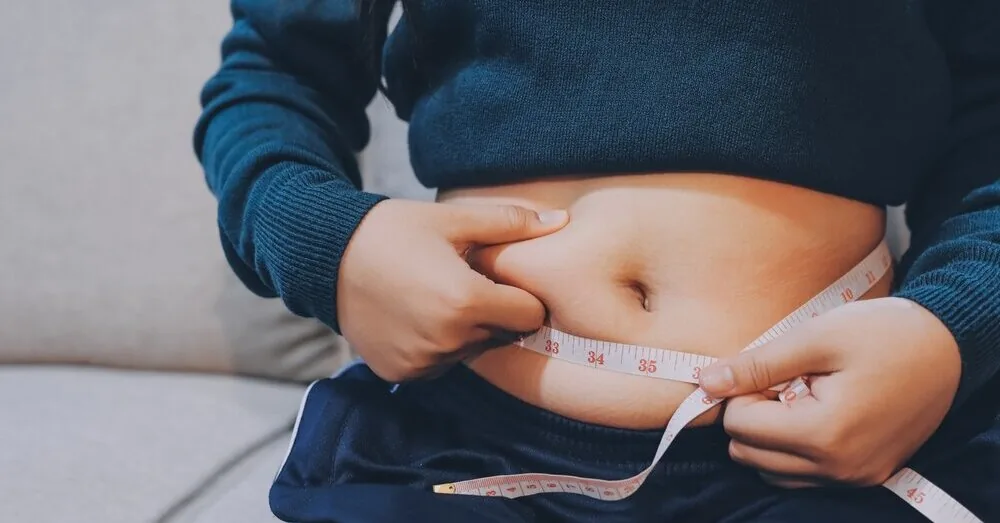
Dietitian Zoe Griffiths emphasizes that two types of fat accumulate in the body. Subcutaneous fat is right under the skin – it can be pinched with fingers. Visceral fat accumulates deeper, around the liver, pancreas, and intestines, and a higher amount of it is associated with cardiovascular diseases and diabetes, writes “The Sun”.
Read more The Food and Veterinary Service proposes to prohibit tying dogs to a kennel and leaving them alone
An increasing waist circumference may indicate an increase in visceral fat. However, sometimes the belly only appears larger, for example, due to posture.
Incorrect posture accentuates the belly
Sitting at a computer for hours can cause shoulders to slump forward and core stabilizing muscles to weaken. If a person stands with an excessively arched lower back and protruding buttocks, the abdominal muscles stretch, making the belly appear more prominent.
This does not mean that incorrect posture causes more fat to accumulate. However, it can change the body’s silhouette and create the impression of a so-called posture “pouch”.
Physiotherapist Helen O’Leary advises taking regular breaks from sitting and paying attention to pelvic position. When sitting, the head and chest should be approximately above the pelvis, and a slight natural curve should remain in the lower back.
Simple stretching and mobility exercises, such as “cat-cow” or side-lying torso twists, can also help.

Smoking does not help with weight loss
Nicotine can suppress appetite, which is why some smokers weigh less than non-smokers. However, this does not mean that their body composition is healthier.
Studies show that smokers may have more dangerous visceral fat in the abdominal area. Thus, a lower number on the scale does not necessarily mean a lower health risk.
Nicotine substitutes or doctor-prescribed medications can help when quitting smoking. It is also important to identify situations where you most often want to smoke and replace the old habit with a safer action, such as chewing gum or an activity that occupies your hands.
Constant stress can change appetite
One stressful work week will not suddenly accumulate belly fat. However, prolonged stress can affect both appetite and the body’s tendency to accumulate visceral fat.
The stress hormone cortisol can increase the desire to eat more, especially high-calorie, sugary, and fatty foods. In the long run, this can contribute to an increasing waist circumference.

Yoga, meditation, reading, or a walk without a phone can reduce tension. H.O’Leary also suggests writing down tasks swirling in your head and choosing the three most important priorities for that day.
When feeling stressed, it’s also worth paying attention to your body: whether your teeth are clenched, shoulders raised, or abdomen tense. By slowly inhaling and exhaling a few times, tense areas can be consciously relaxed.
Read more A threat arose for Trump in Turkey – he had to transfer to another plane
Gut condition is related to metabolism
Trillions of microorganisms live in the gut, forming the gut microbiome. Its composition can be related to how the body regulates inflammatory processes, blood sugar levels, insulin, and appetite.
According to Z. Griffiths, an imbalance of gut microorganisms can affect feelings of fullness and cravings for sweet or highly processed foods. However, gut bacteria alone cannot be considered the main cause of belly fat – overall lifestyle is important.
Beneficial gut bacteria are supported by fiber. It is recommended to get about 25–30 grams per day from fruits, vegetables, legumes, and whole grains.
White bread or pasta can be replaced with whole-grain products, add seeds to porridge, beans to soups and salads, and choose nuts for snacks. Kefir, sauerkraut, kimchi, or other fermented products can also be included in the diet.
Lack of sleep promotes hunger
Less than seven hours of sleep is associated with a higher risk of obesity. When sleep-deprived, people snack more often and crave higher-calorie foods.
Sleep specialist James Wilson explains that lack of sleep can increase levels of the hunger hormone ghrelin and reduce the effect of leptin – a hormone that helps you feel full. As a result, a person may eat more, even if their body does not need additional energy.

Lack of sleep can also impair insulin sensitivity, causing the body to use glucose less efficiently for energy.
The specialist advises against doing activating household chores in the last hour before bed. It is better to finish them earlier and switch to calmer activities before sleep. The morning routine is also important.
Abdominal exercises alone will not be enough
To reduce abdominal fat, you cannot choose one body area from which it should disappear. Hundreds of sit-ups can strengthen abdominal muscles, but they alone will not determine that fat will melt primarily from the waist.
Personal trainer Will Duru recommends incorporating strength exercises into workouts, as greater muscle mass helps the body use more energy.

Squats, lunges, push-ups, and other exercises that engage multiple muscle groups are generally more beneficial than isolated abdominal training alone.
For core muscles, you can choose “plank”, shoulder taps from a “plank” position, or the so-called “bear crawl”. Walking, swimming, or other regularly performed activities are suitable for developing endurance.
Read more «Those not going to the celebration, better avoid Aleksotas»: Traffic jams stretch in Kaunas