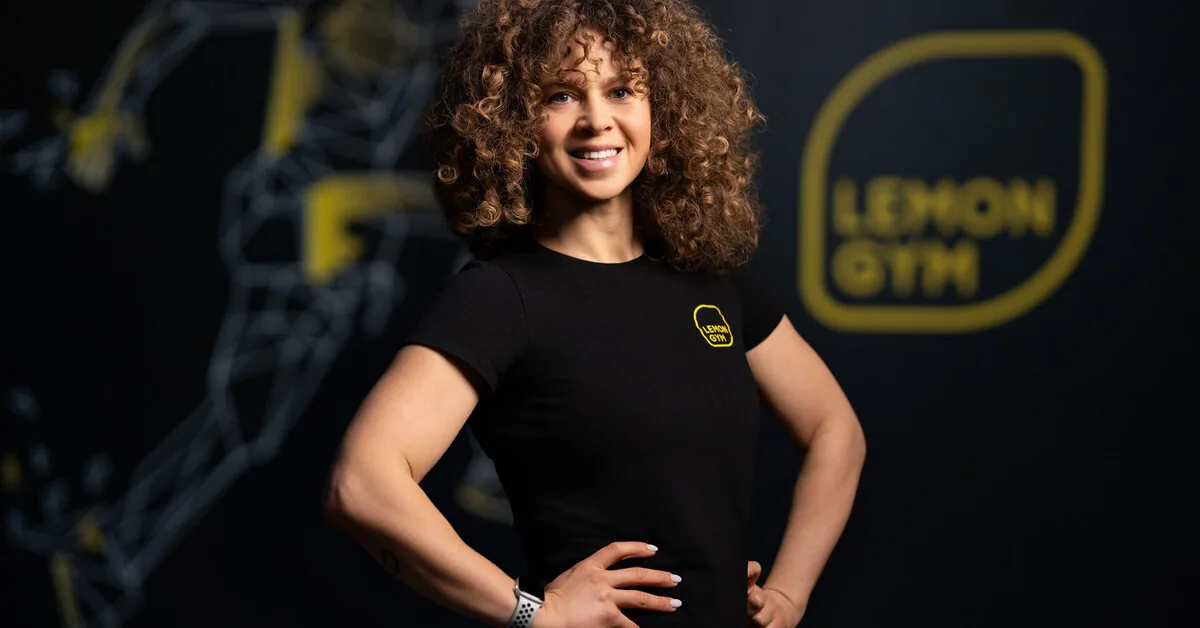
Nevertheless, people react differently to physical exertion. For one, an intense workout will be most suitable after a stressful day, for another – a walk, yoga, or stretching exercises. The most important thing is to observe how the body and mind feel after the chosen activity.
Read more Government – against the proposal to change car expense compensation for disabled people
According to S. Poškuvienė, physical activity affects a person both biologically and psychologically. However, on stressful days, many people first give up sports.
“When we feel stress, we often think that there is no strength, mood, or motivation for sports, so we give it up. However, we can simply walk at a brisk pace, cycle, or do light exercises. After physical activity, you will feel in a better mood, think more clearly, anxiety will decrease, self-confidence will increase, you will sleep better and return with a “lighter” head to overcome stress,” says the “Lemon Gym” trainer.
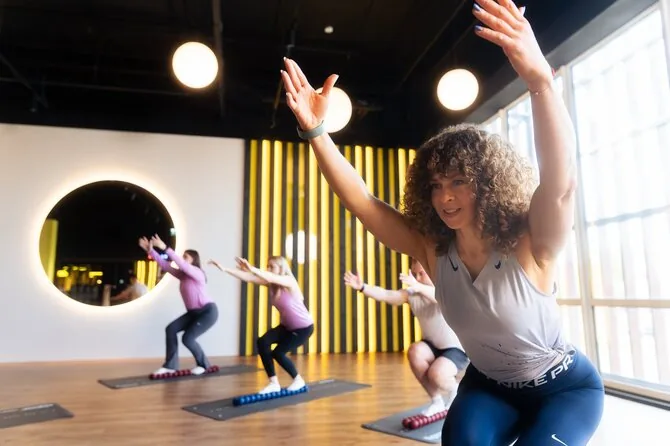
So, on a difficult day, it is not necessary to set yourself the goal of doing a long or complex workout. Sometimes it is enough to start with simple movement that does not require much preparation.
Cardio for one, yoga for another
When choosing physical activity, it’s not just about what workout is currently popular. A person’s individual reaction to the load says much more.
“Every person’s nervous system and hormonal balance are different, so what suits one may not suit another. One person, having experienced stress during the day, will unwind and calm down during a cardio workout, while for another it may be the opposite – everything will become even more agitated. In the long run, participating in such workouts will not allow them to break out of the vicious cycle of stress,” explains S. Poškuvienė.
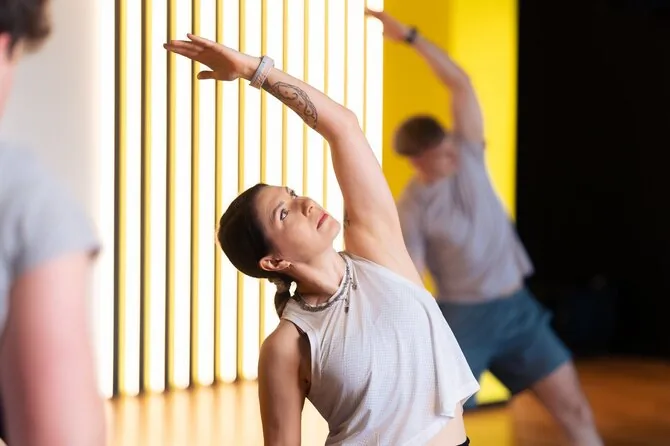
In such a case, she advises choosing calmer physical activity. For example, stretching and balance workouts, yoga, or Pilates might suit you. Strength training can also reduce anxiety and provide more self-confidence.
Changes are felt not only by looking in the mirror
Appearance is not the only reason people start exercising. Simona’s experience shows that for many, it is much more important to feel lighter every day and have more strength and energy.
“Most people want internal, not visual, changes, and over time, visual ones come for those who need them. Posture improves, self-confidence automatically increases, back pain from long hours of standing work disappears, thus stress also decreases. Household chores become easier, results in favorite activities improve, and, of course, mood,” smiles the interviewee.
An intense workout is not always the best way to reduce tension.
For movement to become a regular part of life, mere desire or temporary enthusiasm is usually not enough. According to the “Lemon Gym” trainer, sports should be consciously allocated a place in the daily schedule and treated as a pre-planned activity.
An intense workout is not always the best way to reduce tension. Sometimes a person disregards their well-being and chooses a greater load than their body needs at that moment.
“A person might think that a greater physical load suits them, but perhaps ego takes first place. Then there is burnout, and only after that comes the realization: burnout at work, burnout in sports, even though one should have directed oneself towards a different sport. Unfortunately, this is usually understood when the situation already needs to be corrected using internal resources,” notes S. Poškuvienė.
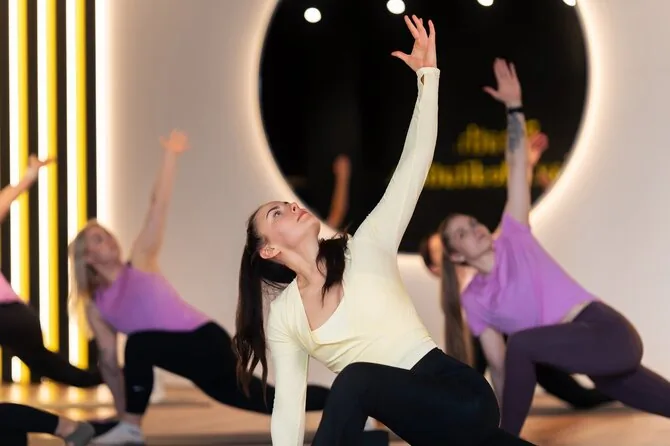
Therefore, it is worth paying attention not only to how you feel during the workout, but also to your well-being afterward. Constant exhaustion, irritability, or an unwillingness to return to exercise may indicate that the chosen load is not suitable.
Less intensity in the evening
Workout times usually have to be adjusted to work and other daily duties. However, if there is a choice, the trainer suggests morning or daytime for more active sports.
“It’s best to exercise in the morning or during the day because then we have more resources, but it’s important to have eaten. After exercise, we recharge our energy, start the day more actively, or relieve accumulated stress. In the evening, it’s better to choose moderate-intensity workouts, and there should be no active sports at least two hours before bedtime, as it can interfere with sleep quality,” explains trainer Simona, adding that this does not mean that evening workouts are unsuitable for everyone.
However, if you have trouble falling asleep or sleep poorly, it’s worth trying a calmer load or finishing your workout earlier.
Sometimes the hardest part is just walking out the door
Fatigue and a bad mood do not necessarily mean that a person should completely give up movement. S. Poškuvienė advises on such a day not to focus on the entire workout ahead, but to start with the first step.
After physical activity, people, in her observation, usually feel better: tension decreases, more strength appears, and self-confidence strengthens. The trainer says she has not yet met anyone who regretted coming to exercise after all.
Simona admitted that it’s not always easy for her to start either: “Sometimes it’s hard to go to work in the evening, lead a group workout after a workday and sessions with personal clients. But after that workout, I’m always glad that I feel refreshed. Just take a step out the door.”
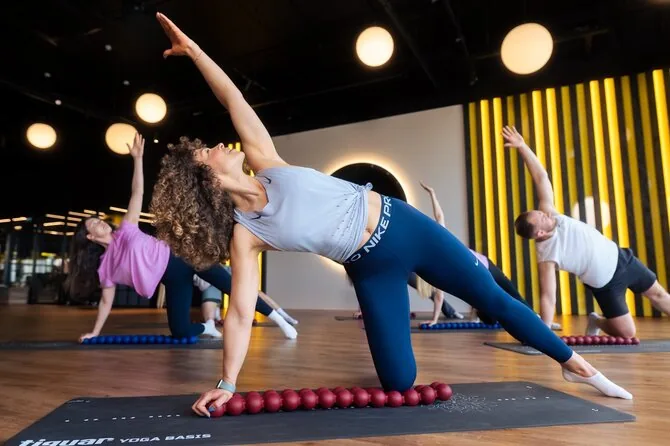
When sport becomes a source of guilt
Regular movement should not overshadow other areas of life. Simona is convinced that the relationship with sport changes when health or well-being is no longer the most important thing, but rather the desire to constantly control oneself and compare oneself with others.
“Sport ceases to be a pleasure for health and becomes a comparison with others, e.g., who exercises more, longer, or more often. You start to feel guilt or anxiety if you miss a workout, and even if you’re sick or in pain, you still go to exercise. Work or studies are pushed to the background, relationships and rest become less important,” warns the interviewee.
Refusing rest, according to her, does not help achieve better results: “The most important thing to understand is that when you don’t allow yourself to rest, you don’t achieve better results. Only during rest do the body and muscles strengthen. Then you can return to the sports field with greater strength and strive for better results.”
Want to feel better this summer? Join the Health Challenge! More information and conditions HERE.