









Aging processes occur simultaneously
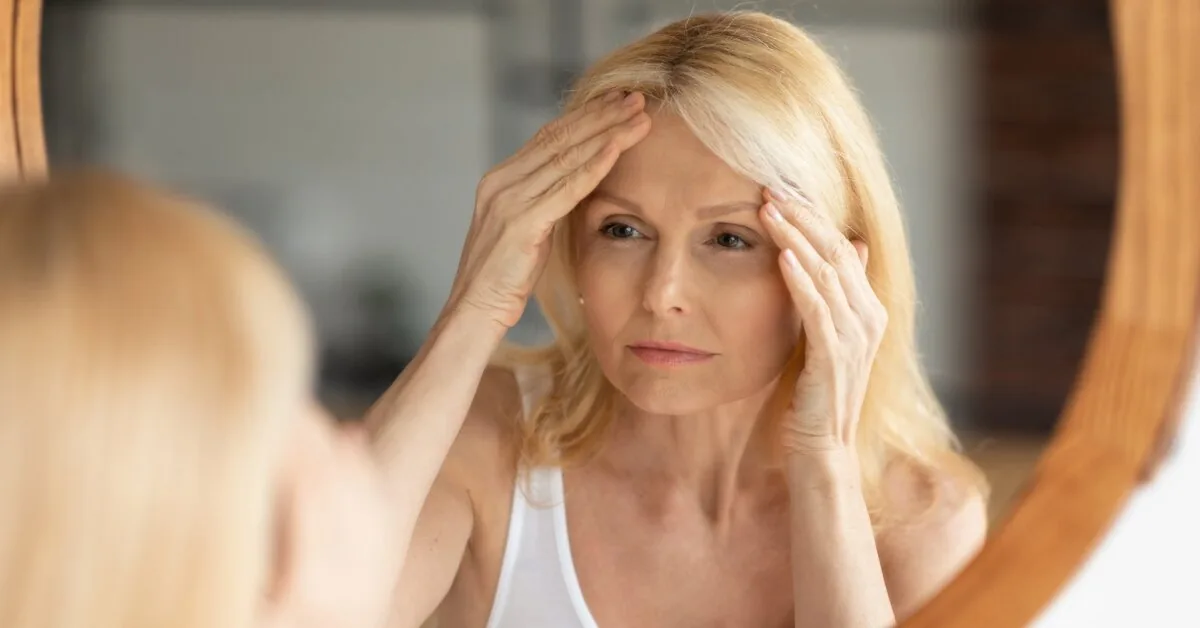
Skin aging is divided into intrinsic and extrinsic. Intrinsic, or chronological, aging is inevitable – it is determined by time, genetics, hormonal changes, and naturally slowing skin renewal processes. With age, the skin thins, retains moisture less effectively, collagen and elastin decrease, making it drier, less firm, and fine wrinkles appear.
However, extrinsic aging also occurs simultaneously, accelerated by the environment and lifestyle. Among the main risk factors for skin aging are sun exposure, smoking, air pollution, and diet. This means that the skin of people of similar age can look very different not only due to heredity – it also depends on the impact it has experienced over several decades.
The biggest culprit is not the number of years
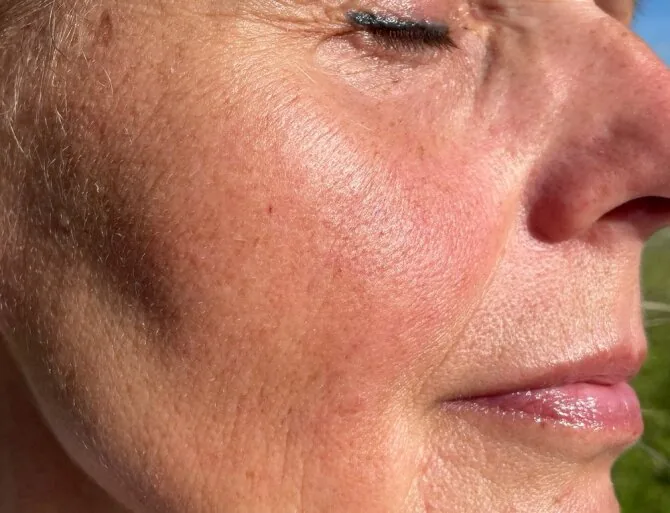
One of the most important factors of premature skin aging is ultraviolet radiation. Its long-term effect is called photoaging. The World Health Organization (WHO) states that both UVA and UVB rays contribute to this process: the skin gradually loses elasticity, wrinkles become more pronounced, sagging and uneven pigmentation appear.
Damage accumulates gradually, so its effects are not necessarily noticeable immediately after summer or sun holidays. Moreover, UVA rays penetrate clouds and window glass, so the skin receives them not only when sunbathing on the beach. Tanning beds are also not a safer alternative – the ultraviolet radiation used in them contributes not only to early aging but also increases the risk of skin cancer.
A tan is often still considered a sign of healthy appearance, but medically it is the skin’s response to damage caused by ultraviolet rays. Therefore, daily sun protection is necessary not only to maintain smoother skin longer. It is primarily a health protection measure.
Smoking, pollution, and daily habits
Smoking is another well-studied factor of extrinsic aging. Tobacco smoke promotes oxidative stress, worsens skin oxygen supply, and is associated with faster collagen breakdown. Over time, the skin may lose its radiance, become drier, grayer, and wrinkles deeper. The effects of sun and smoking can reinforce each other.
Air pollution is also linked to pigmentation spots and wrinkle formation, although individual impact depends on living location, work environment, and other circumstances. The skin is constantly in contact with the environment, so it is important to gently remove impurities in the evening, but overly intense washing or frequent exfoliation is not a better solution – damaging the protective barrier can make the skin even drier and more sensitive.
Read more The latest Apple devices are now in Lithuania: their official sale has begun
Lack of sleep, long-term stress, poor nutrition, or frequent alcohol consumption can also be reflected on the face: the skin looks grayer, drier, and the under-eye area becomes more pronounced. However, not every wrinkle should be explained by a specific product or habit. Skin condition is usually determined by a combination of several factors and their effects over the years.
The most expensive product is not necessarily the most important
A complex skincare routine is not necessary. Its basis can be a gentle cleanser, a moisturizer suited to the skin’s needs, and broad-spectrum sun protection. It is important to choose products according to skin type and condition and not to use many strong-acting products at once.
Active ingredients, such as retinoids, vitamin C preparations, or acids, can be useful in addressing certain problems, but they are not equally suitable for everyone. Improper combinations or too frequent use can irritate the skin. Constant redness, stinging, and flaking are not signs that a product “works stronger.” This may indicate a damaged skin barrier.
It is also important to have realistic expectations. Cosmetic products can improve skin moisture, texture, or color uniformity, but they do not replace already reduced tissue volume and structure. If pigment spots, pronounced wrinkles, scars, dilated blood vessels, or skin sagging are the main concerns, it is advisable to consult a dermatologist. Based on skin condition, health, and expectations, they can explain what skincare products can effectively change and when aesthetic dermatology might be considered.
When changes should not be attributed to aging
Not every newly appeared skin change is a cosmetic problem. You should see a dermatologist if you notice a new or changing mole, a non-healing sore, a bleeding lesion, a rapidly growing spot, or another unusual change. In such cases, accurate diagnosis is more important than aesthetic correction.
Skin aging cannot be stopped, but some accelerating factors can be controlled. Consistent protection from ultraviolet rays, not smoking, and preserving the skin barrier provide more long-term benefits than constantly chasing new products promising quick results.
Read more M. Matulaitytė-Feldhausen: The war will not be won by a drone – it will be won by a soldier