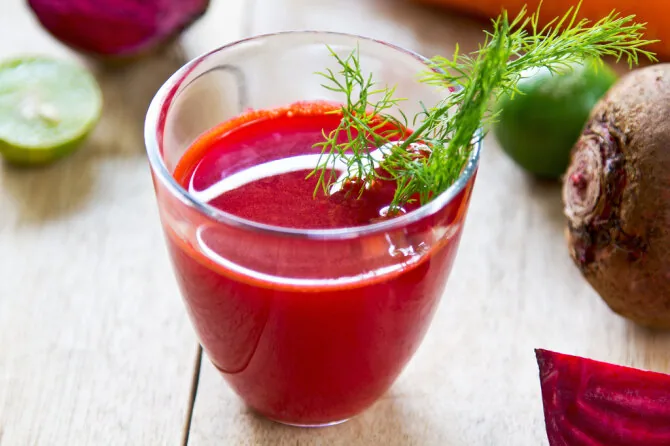
The drink that specialists recommend trying to lower blood pressure is beetroot juice.
Beetroot juice, according to researchers, helps lower blood pressure because it is rich in inorganic nitrates, writes postimees.ee.
In the body, nitrates turn into nitric oxide, which dilates blood vessels and lowers blood pressure.
The effect can begin to manifest within 30–60 minutes, and the strongest effect is usually observed after a few hours.
How does beetroot juice lower blood pressure?
The blood pressure-lowering effect of beetroot juice is associated with its high content of inorganic nitrates. After drinking beetroot juice, an important process begins in the mouth – beneficial bacteria in saliva convert nitrates into nitrites, which then turn into nitric oxide in the body.
Nitric oxide acts as a natural vasodilator – it relaxes blood vessel walls, improves blood circulation, and reduces pressure on blood vessels, thereby lowering blood pressure.
Read more WSJ: Trump lost patience – refuses to talk or meet with Netanyahu
Studies show that the effect of beetroot juice can manifest quite quickly. Blood pressure can start to decrease as early as 30–60 minutes after drinking the juice, and the maximum effect is usually achieved after a few hours.
How to drink beetroot juice?
To achieve optimal results, it is recommended to drink about 250 ml (one glass) of natural beetroot juice per day.
Most beneficial nitrates remain in freshly squeezed juice, as their amount decreases with prolonged boiling or heating. If the specific taste of beetroot juice seems too intense, it can be mixed with apple, carrot, or lemon juice. This will make the drink tastier and fresher, without losing its beneficial properties.
Other foods that help control blood pressure
While beetroot juice can help lower blood pressure, a varied and balanced diet provides the best long-term benefits for cardiovascular health. In addition to beets, the following products are also beneficial:
- Green leafy vegetables – like beets, they are rich in natural nitrates, which the body converts into nitric oxide, dilating blood vessels.
- Bananas – the potassium they contain helps remove excess sodium (salt) from the body.
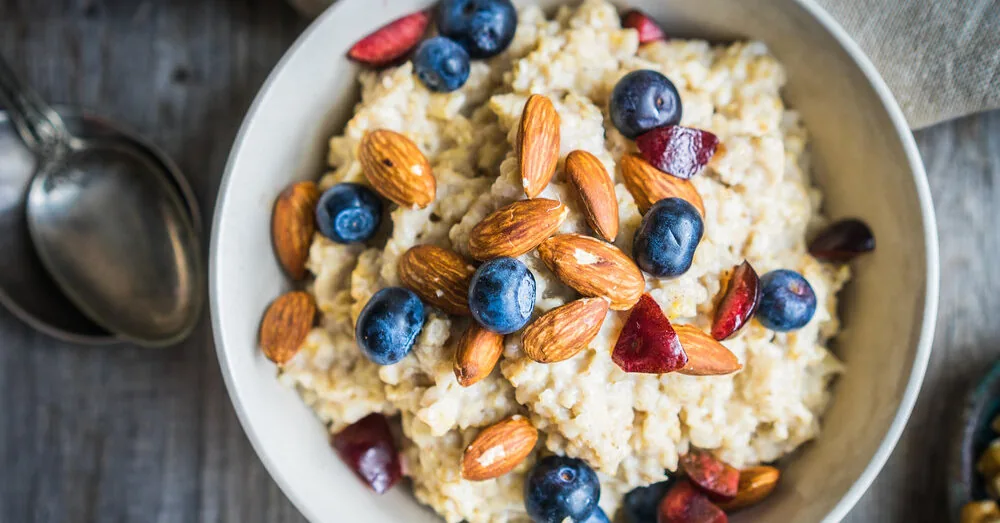
- Oatmeal – the soluble fibers in oats, called beta-glucans, help lower “bad” cholesterol levels in the blood. This can help protect blood vessels and maintain normal blood pressure.
- Fatty fish – one of the best sources of omega-3 fatty acids. These fatty acids reduce inflammation and help maintain good blood vessel health.
- Dark chocolate (at least 70% cocoa) – the flavanols it contains improve blood vessel elasticity.
A healthy lifestyle and thoughtful dietary choices are important for maintaining cardiovascular health. However, it is important to remember that beetroot juice and a healthy diet do not replace doctor-prescribed treatment. If your doctor has prescribed medication for high blood pressure, it is essential to take it as directed, and any changes to treatment should only be made after consulting with your doctor.
Read more Warmth will return, but for how long: forecaster warns about upcoming changes