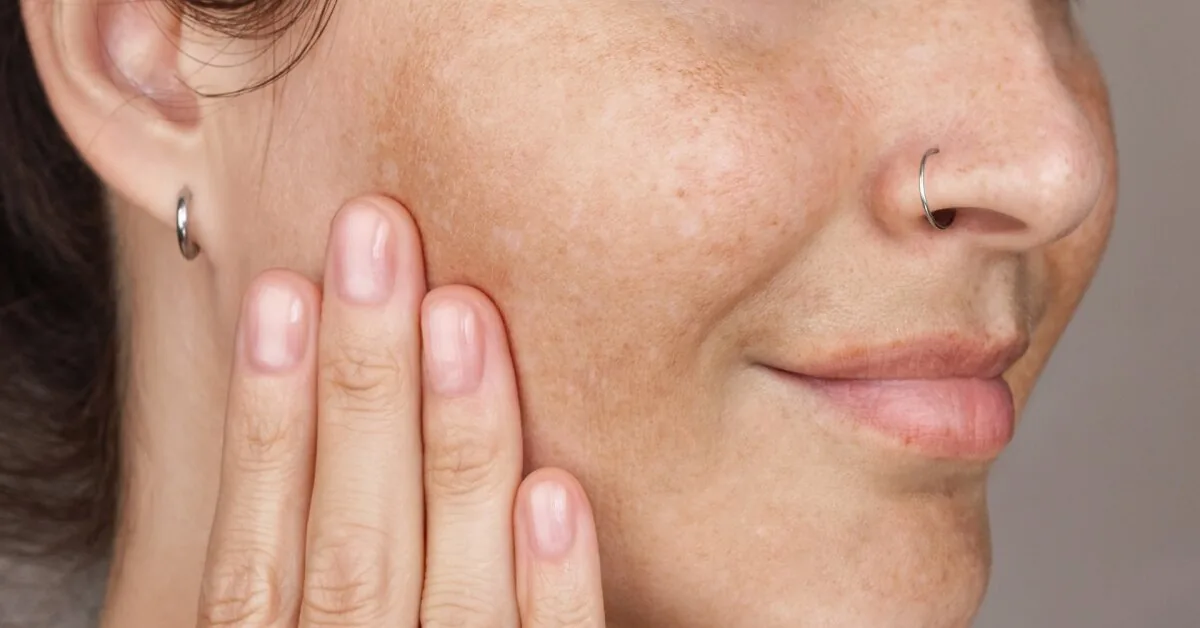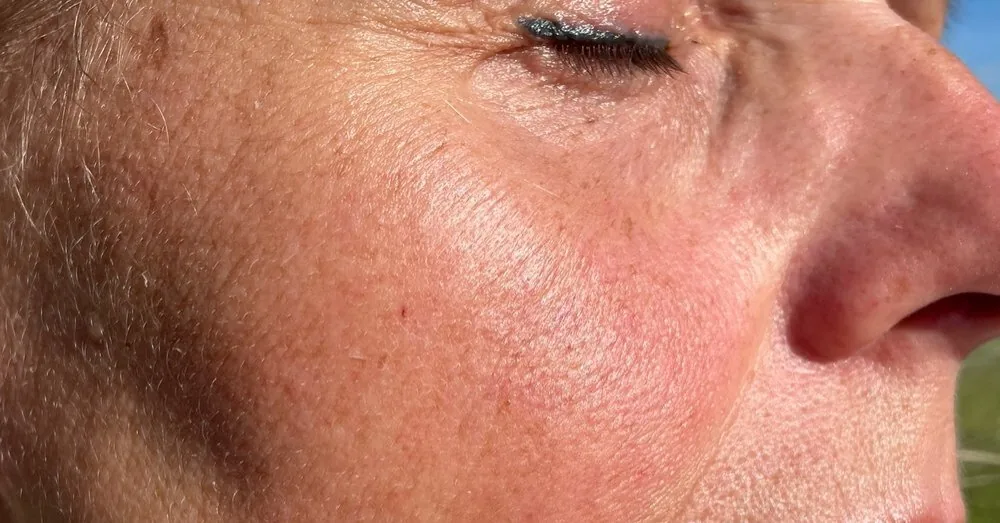
Vakarė Jokubaitytė-Tunkevičienė, a pharmacist at the “Camelia” pharmacy chain, states that the majority of such sudden skin changes are caused by UV radiation damage, according to a press release.
But can these consequences be remedied as quickly as they appeared?
If you regularly sunbathe for long hours in summer, enjoy solariums, and forget SPF protection, visible signs of skin aging, such as wrinkles, can appear quite quickly. The pharmacist notes that people with a strong tan more often notice changes in skin texture and deepening wrinkles on the forehead, around the eyes and lips, next to the nose, on the neck, and in the chest area. Wrinkles often appear even on the legs or buttocks.
“Due to various factors, including UV radiation, collagen and elastin production is disrupted in damaged cells, which leads to changes in skin elasticity, volume, and firmness, as well as the appearance of wrinkles. Skin dehydration, caused by insufficient water intake and sunburn, can also contribute to visible signs of skin aging,” says V. Jokubaitytė-Tunkevičienė.
What happens to the skin when exposed to UV radiation?
According to the pharmacist, when spending time in direct sunlight, skin damage occurs within the first two hours. Although pain and signs of sunburn are usually not yet felt, at this time, damage to the skin barrier and DNA is already occurring, and the skin is gradually dehydrating. Later, when redness appears, tightness is felt, and swelling occurs – inflammatory processes are taking place in the skin.
“The greatest discomfort from severe sunburn is felt on the second and third days. The skin can not only hurt, sting, be sensitive even to gentle touches, but also itch, as skin healing processes begin at this time. After a few more days or a week, the upper – burned – layer of skin may begin to flake and peel,” explains the pharmacist.

Mistakes that will have consequences in the future
According to the pharmacist, despite physically healed skin, the deep damage done to it does not disappear so quickly, especially if sunburns were experienced regularly and the skin was not properly cared for afterwards. Renewed skin is usually lighter and more sensitive, but some people develop dark or light spots in the burned areas of the skin. The latter begin to fade after a month or a few, and for some, they remain for most of their lives.
“UV radiation and oxidative damage can accelerate photoaging, which results in changes in skin color, texture, and overall comfort. Moreover, from about the age of 25, a person loses about 1% of collagen annually, and by the age of 40, the reserves of this protein begin to decrease even faster. Excessive enjoyment of sunbathing further increases this number, so more pronounced skin changes can be observed in just a few months,” she reassures.
Read more One airline will offer passengers more comfortable sleep on the plane: what will it look like?
Unfortunately, V. Jokubaitytė-Tunkevičienė warns that these consequences cannot be completely avoided, but some signs of aging can be mitigated.
Rest from the sun and ensuring quality regeneration
The pharmacist reveals that the most important rule for keeping skin radiant, firm, and youthful for as long as possible is to use SPF. The more you encounter sunburns, the faster and more visibly signs of skin aging will appear. If you already see wrinkles, spots, dryness, and loss of elasticity that have appeared over the summer, the first step should be to give up sunbathing, because cosmetics, food supplements, or expensive procedures (if they are not invasive) alone will not restore the damage suffered.
“Regarding external skin care, it is very important to ensure adequate hydration and restore the damaged protective skin barrier. Products with hyaluronic acid, ceramides, peptides, panthenol, or glycerin are suitable for this – cosmetic products containing these active ingredients can be easily combined with each other both in the morning and in the evening.
It is also useful to include antioxidants in your skin care routine, which fight free radicals that accelerate skin aging, contribute to the restoration of the protective skin barrier, and have other valuable properties, such as correcting skin tone or reducing pigmentation. Vitamin C or niacinamide can be beneficial. I would recommend not forgetting cell regeneration-promoting products with retinol, but it should be noted that to avoid negative interaction of retinol with UV rays, such products are best used with effective SPF protection or in the evening,” lists V. Jokubaitytė-Tunkevičienė.
She adds that for the chosen cosmetics to work more effectively, it is worth using a toner. The pharmacist explains that the pH of healthy skin ranges between 4.5 and 5.5, but environmental factors or improper diet can unbalance it. The role of toner in a skin care routine is to regulate the pH level so that the skin can protect itself from external factors. Moreover, most cosmetic products are designed taking into account the mentioned pH level range, so without using a toner, the products may not work as effectively.
“To stimulate skin regeneration processes and remove dead skin cells, it is worth exfoliating the skin once a week with gentle exfoliants containing lactic or glycolic acid. Exfoliating sponges or coarser grain scrubs may also be suitable for body skin. Once or twice a week, I would recommend using moisturizing face and eye masks, but do not leave them on longer than recommended by the manufacturers – in this case, the likelihood of allergic reactions increases,” says the pharmacist.
V. Jokubaitytė-Tunkevičienė recommends paying attention to diet or supplementing it with food supplements. Proteins, healthy fats, collagen, zinc, vitamin C, vitamin D are beneficial for skin beauty and faster regeneration. If you have questions about the use of food supplements or do not know which cosmetics to choose, the pharmacist encourages you not to be afraid to consult specialists – this way you will not have to experiment and skin problems can be solved faster.
Read more WHO: Ebola outbreak in DRC and Uganda claimed over 1 thousand lives