







A teenager’s skin does not need a ten-step routine
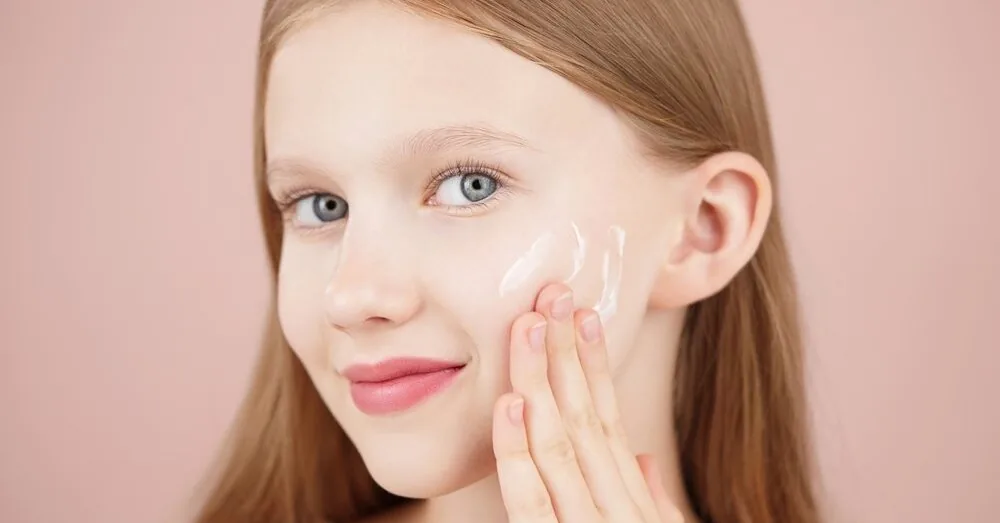
For many teenagers, skin oiliness may increase and breakouts may appear during puberty. Therefore, previously suitable products do not always meet the changed needs of the skin. According to the pharmacist, a teenager’s facial skin care routine should not be complicated. It should be based on a gentle facial cleanser and a lightweight moisturizing cream, according to a press release.
Read more After a brief fury – EU reaction
“Alcohol-based products should not be used, nor should the skin be dried with solutions of unclear origin and effect. It is advisable not to squeeze out pimples – scars and skin spots remain. Sometimes girls want to use face masks – they can be used, but only those appropriate for their age,” she says.
According to E. Ramaškienė, aggressive facial cleansers should be avoided, and gel cleansers containing acids are recommended for oily skin. In addition, it is recommended to wash the face with warm, but not hot water.
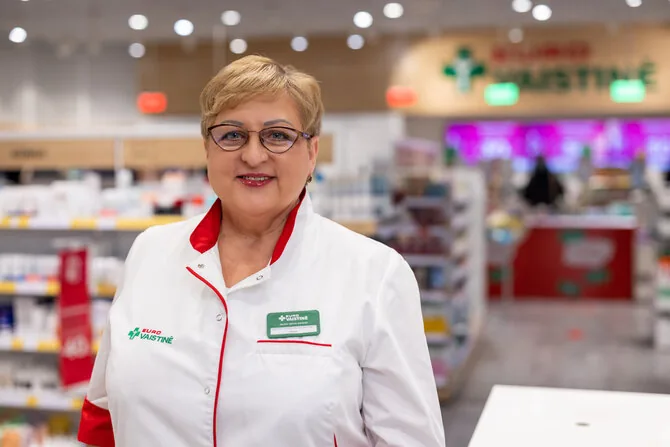
“It is important for teenagers not only to moisturize but also to exfoliate their facial skin. Exfoliants with acids and clay are perfect for this. Exfoliation should be done once or twice a week,” says the pharmacist.
Retinol for teenagers – only with a doctor’s recommendation
One of the products that has become very popular on social networks is retinol. However, just because the product is quite popular among adults does not make it necessary for a teenager. “Retinol is completely unnecessary for a young person’s skin because the renewal of teenage skin cells is naturally very fast, and collagen production is at its maximum. It can be prescribed by a doctor for treatment purposes – to fight acne. It is prescribed from the age of 12 for moderate and severe acne and deep comedones under a doctor’s supervision,” she explains.
The pharmacist notes that teenagers with normal facial skin are advised not to use these products:
• Comedogenic oils (coconut, cocoa butter, wheat germ) – they clog pores and promote acne formation.
• Overly strong anti-wrinkle ingredients.
• Retinol and strong retinoids, unless prescribed by a dermatovenerologist.
• Aggressive exfoliants and cleansers.
• Synthetic fragrances and essential oils that can cause contact dermatitis, and when exposed to sunlight – even pigmentation spots and burns.
Improper use of strong products can cause redness, crusting, and peeling.
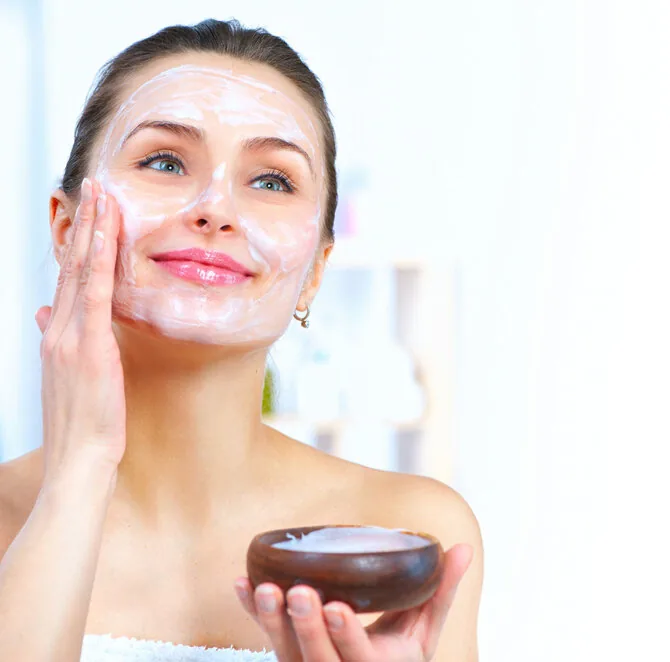
Sun protection is important even when treating acne
According to E. Ramaškienė, various acids can be used for problematic teenage skin. For example, salicylic acid can be useful for oily skin prone to breakouts and blackheads because it helps to clean clogged pores. However, before using any product, the pharmacist recommends consulting a dermatovenerologist.
“Since teenage skin is still developing and is more sensitive than adults’, inappropriate cosmetics can cause the opposite effect and serious problems: increased acne, sebum, damage to the protective barrier, irritated and reddened skin, burning and itching, increased pigmentation,” she explains.
The pharmacist points out that it is important for teenagers not to forget to use daily sun protection. “The cream protects not only against the harmful effects of UVA and UVB rays but also helps when treating acne,” says E. Ramaškienė.
If new cosmetic products cause breakouts, crusting, or redness on the face, the care routine should be immediately simplified and active acids discontinued until the skin fully heals.
Read more Seimas plans to invite VRK member Laura Matjošaitytė to the plenary session