“Recent studies clearly show that people today are troubled not only by the journey itself but also by the entire preparation process. The more decisions a person has to make, the more different bookings, routes, and details they need to manage themselves, the harder it is for the body to switch to a true relaxation mode. Because of this, vacationers increasingly value not only the price or the hotel but also how much energy the trip and its planning will require,” says Brigita Kučinskaitė, an expert from the travel agency “Kelionių akademija.”
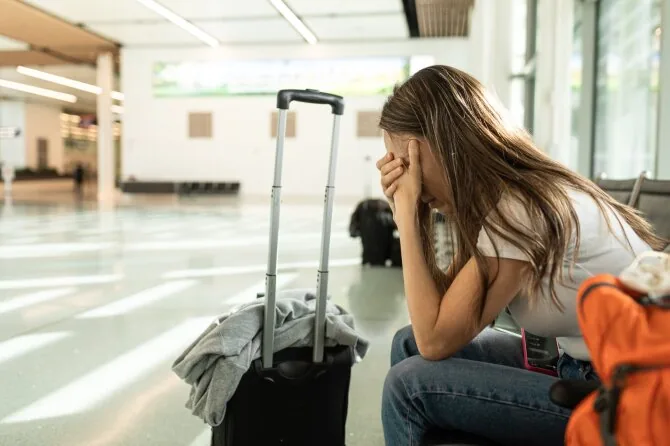
Most people get tired even before they leave
According to the specialist, one of the most prominent trends in recent years is that the greatest fatigue for some people begins even before the vacation.
In practice, some people simply burn out during the planning stage.
“Today, people have a huge choice: hundreds of hotels, flights, platforms, reviews, and routes. At first glance, it seems that this helps create the perfect vacation, but in practice, some people simply burn out during the planning stage. Especially when the trip is organized independently and every decision has to be made by oneself – from flight times to transfers, restaurants, or even what to do each day,” explains B. Kučinskaitė.
According to her, this also changes the attitude towards rest itself: “Previously, people more often thought about how to see as much as possible during the trip and spend as little as possible. Now travelers increasingly value simplicity, clarity, and peace – the feeling that they won’t have to constantly look for something, decide, or coordinate. For some people today, true rest begins when they don’t have to make dozens of decisions a day for at least a week.”
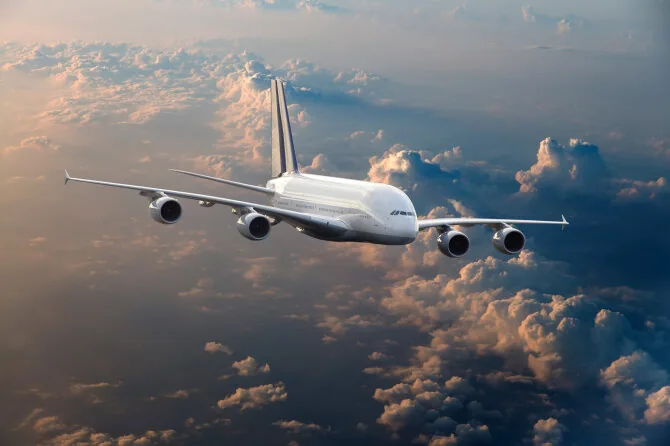
Trying to squeeze the maximum out of vacations often ends in fatigue
The travel expert says one of the most common mistakes is an overly intense vacation plan and trying to save at any cost.
“People often try to visit as many places as possible in a week, plan activities from morning till night, and leave no time for rest. On top of that, there are very early flights, long layovers, or attempts to ‘gain’ as much time as possible on site. Then the body remains in an activation state throughout the trip – needing to hurry, orient, plan, adapt. In such vacations, the place changes physically, but the rest mode does not turn on,” says B. Kučinskaitė.
Read more Invitation for Russia to attack: experts warned about a new danger

According to her, this is also confirmed by recent studies. For example, a 2025–2026 survey conducted by DERTOUR Group with 8,000 respondents from 13 European countries showed that 34.4% of people today name trips without planned activities as the most desirable form of vacation, and more than half of respondents consider the main goal of travel not to see more, but simply to relax and recharge.
“People are gradually beginning to understand that a good vacation does not necessarily mean visiting as many places as possible. Sometimes it means simply a slower pace, less rushing, and more room for spontaneity. That is when the body truly starts to rest,” says the specialist.
How not to return from vacation even more tired?
According to the expert, one of the most important rules is not to plan the vacation as if it were another project.
“On the first day of the trip, it is worth keeping it as light as possible, especially if there was an early flight or a long transfer. A very common mistake is trying to ‘make the most of the day’ right after landing. Then a person brings not a feeling of rest to the vacation but even greater fatigue,” says B. Kučinskaitė.

B. Kučinskaitė says studies also show that rest is strongly spoiled by constant rushing and too many activities: “It is definitely not necessary to have five planned sites or excursions per day. Usually, those who rest best are the people who leave room for spontaneity, do not overload their schedule, and arrange only the most important things in advance before the trip. The greatest luxury today is often not a luxurious hotel but the feeling that you finally don’t have to control everything yourself.”
Read more “Meta” introduced paid subscription plans for “Instagram”, “Facebook”, and “WhatsApp”