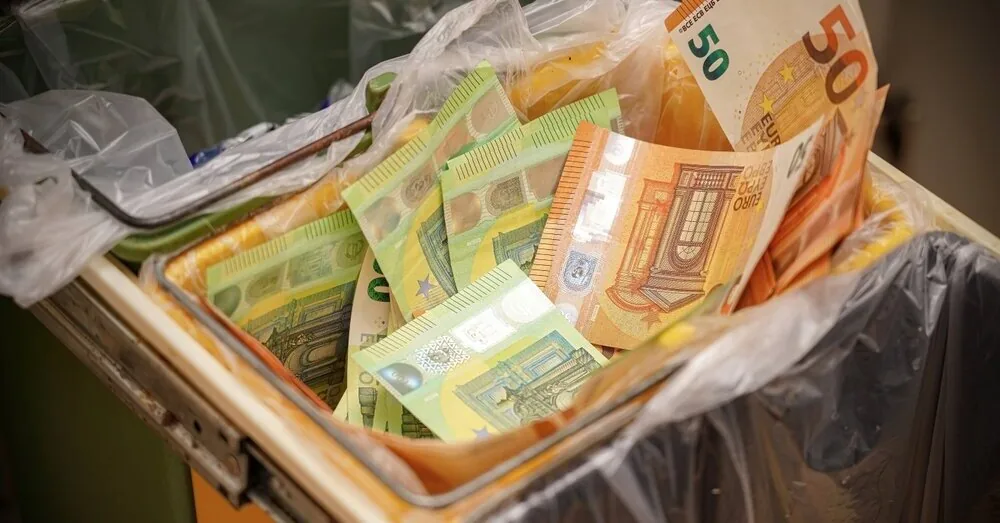
„We see two problems at the same time. First, residents still buy more medicines than they actually use. Second, a significant portion of residents still dispose of expired medicines improperly. This not only means millions of euros are unnecessarily spent, but also dangerous chemicals entering the environment. Considering that the total Lithuanian spending in pharmacies reaches about 1.5 billion euros per year, we can say that residents throw away unused medicines worth about 150 million euros annually. Although I believe the real scale is even greater,“ says PATVA director Marius Busilas in a press release.
The study shows that, although few, there are residents who do not use more than a third of all purchased medicines.
Youth make mistakes most often
According to M. Busilas, the problem lies not only in excessive medicine purchases but also in how residents dispose of pharmaceutical waste. Although about half of respondents say they dispose of medicines properly – by returning them to pharmacies, as many as 33% of residents throw medicines into mixed waste containers, sorting containers, or pour them into the sewage system, thus posing a danger to the environment, animals, and human health.
The youngest age group stands out the most. About 48% of respondents aged 18-25 dispose of medicines improperly, and almost 60% of them do not know that unnecessary medicines must be returned to pharmacies. In comparison, among residents over 56 years old, only a quarter of respondents dispose of medicines improperly.
The most common reason for improper behavior is convenience. Almost half of the respondents who dispose of medicines improperly answered this way. More than a third also said they believed their chosen method was proper waste sorting.
„Today in Lithuania, there is a convenient medicine waste collection system for residents – unnecessary or expired medicines can be returned free of charge to any pharmacy, and for many people, these are very close to their homes or daily routes. However, the study shows that this is not enough. We still need to actively educate the public, especially the youth, because some residents do not know why medicines should not be thrown into the trash or poured into the sewage system, nor how to dispose of them properly. The more people understand the impact of such waste on the environment and health, the more responsible decisions will be made daily,“ says M. Busilas.
The survey also showed that some residents do not dispose of unnecessary medicines at all. This was the answer of 16% of respondents. Experts say that storing medicines at home is not a safe solution because over time residents forget their expiration dates, storage conditions, or purpose.
According to M. Busilas, the problem could be reduced by more responsible consumption: medicines should be purchased only as much as truly needed, follow doctors’ recommendations, and regularly review home medicine cabinets.
Tens of tons of medicines may enter the environment
According to data from the State Health Insurance Fund, Lithuanian residents returned a record amount of unnecessary medicines to pharmacies in 2024 – 35.5 tons. According to PATVA’s assessment, knowing that only about half of residents dispose of medicines properly, it can be assumed that about twice as much ends up in landfills or sewage systems annually.
Experts warn that medicines should not be thrown into the trash or poured into the sewage system. Pharmaceutical substances can enter the soil and groundwater, and wastewater treatment plants are not capable of completely removing them. As a result, medicine residues may eventually end up in rivers, lakes, and affect aquatic ecosystems.
Besides environmental risks, improperly stored or disposed medicines can pose a threat to humans and animals.
What to do with unnecessary medicines?
PATVA reminds that all pharmacies operating in Lithuania are required to accept unnecessary or expired medicines from residents free of charge. Such waste is later handed over to specialized hazardous waste handlers who ensure their safe destruction.
It is important to know that medicines themselves should be brought to pharmacies, but dietary supplements are not considered pharmaceutical waste. It is recommended to remove them from packaging and throw them into mixed waste containers, while sorting the packaging by material.
PATVA also urges residents to regularly review their home medicine cabinets and not keep expired medicines “just in case,” as expired medicines may not perform their function or may even pose a health risk.
A representative survey of Lithuanian residents, which included 1013 respondents, was conducted by the research company “Spinter research.” The study aimed to assess residents’ habits related to medicine waste management.
Read more Former Elektrėnai Mayor Resigns from Council: Caught Up in the «Receipt» Case