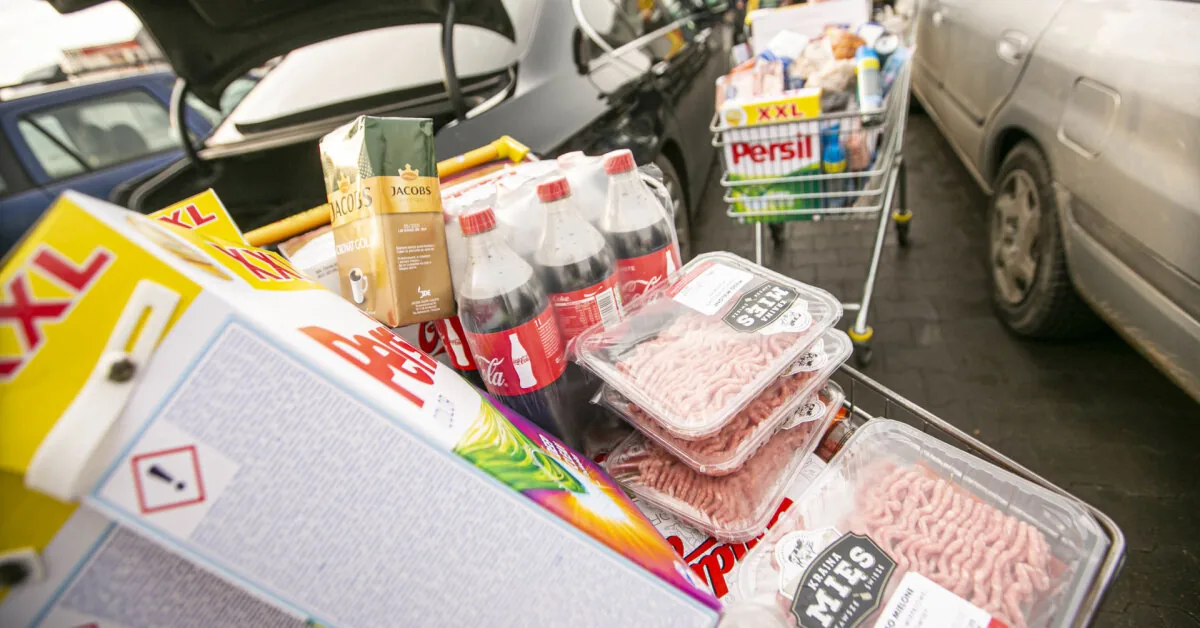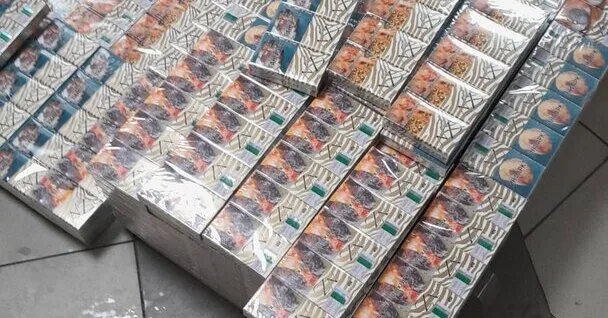
The latest KPMG study shows that although the total cigarette consumption in Lithuania decreased by 2% over the year (to 2.55 billion units), this decline was driven only by falling sales of legal products. Meanwhile, the volumes of the contraband and counterfeit markets continued to rise. Thus, the overall share of the illegal market increased by 1.6 percentage points last year.
According to the shadow tobacco market share, Lithuania remains among the most problematic markets and ranks among the countries with the largest share of illegal tobacco products in Europe – like France (41.4%), Belgium (24.8%), and the Netherlands (22.1%).
In other Baltic countries, the illegal tobacco product market was smaller than in Lithuania last year – in Latvia it was 19%, in Estonia – 14% of the total market. However, the share of illegal products also grew there. In Latvia – by 0.7 percentage points, and in Estonia – even doubled, by 7.4 percentage points.
In Poland, the situation remains the most stable in the region – here the shadow market accounts for only 5% of the tobacco product market.
According to KPMG research data, the total share of the illegal tobacco market in the European Union last year was 10.3%. This means that the budgets of the Community countries collectively lost 16.7 billion euros in potential revenue.
Contraband is replaced by counterfeits
The latest KPMG study shows that illegal tobacco product flows from Belarus still make up the largest part of the shadow market in our country, but last year the flow of unaccounted cigarettes entering Lithuania from this neighboring state noticeably shrank. Last year it accounted for about 67% of the illegal market, while the year before this figure was about 85 percent.
However, this market share was compensated by dramatically increased volumes of counterfeits. The consumption of counterfeit cigarettes of well-known brands in Lithuania nearly tripled last year – from 0.06 billion to 0.17 billion units.
The trends observed in Lithuania reflect a fundamental transformation of the entire European illegal market. Traditional contraband flows from East to West are being replaced by mass-produced counterfeits within the EU territory itself.
Organized criminal groups create industrial-level factories directly in Western European countries, closer to consumers with high purchasing power, where tobacco excise taxes are the highest. Just last year, 104 underground factories were dismantled in Europe, where nearly 429 million cigarettes were seized.
Read more Trumpas explained why he called Netanyahu a madman
However, the KPMG report draws attention to the fact that Lithuania and other countries in the region face the risk of further shadow market growth – the demand for unaccounted products may quickly increase due to price differences with neighboring non-EU countries and tightening regulations.
Experts urge avoiding extreme measures
Looking at the overall context of 38 European countries, total tobacco consumption decreased by 4.1% last year, but the illegal market grew by 5.9% and reached 55.3 billion units, with counterfeit cigarettes becoming the main driver of the shadow market in the EU, reaching a record volume of 18.3 billion units and accounting for as much as 44% of the entire EU illegal market. Such losses cause direct harm to the economic and social stability of states, and the lost funds end up in the pockets of international criminal organizations.
Experts emphasize that the consequences of traditional tobacco control measures, such as extreme taxation or strict bans, are often the opposite – consumers are simply pushed into the shadow market, creating ideal conditions for illegal business to thrive.
The clearest example of this in Europe remains France, where the illegal market reached a critical level of 41%. In this country, after drastically raising excise taxes and the legal cigarette pack price exceeding the 11-12 euro threshold, consumers massively turned to the black market, where the price of counterfeit products is half as much.
A completely opposite example is demonstrated by Poland, where the shadow tobacco market is one of the smallest in the EU. According to experts, this phenomenon is due to a balanced and predictable excise tax increase policy, which avoids sudden price jumps, does not recklessly widen the gap from non-EU countries’ price levels, and does not cause financial shock to consumers.
Solutions require coordinated actions
The KPMG report warns that no product category is completely protected from illegal trade. Although illegal flows of heated tobacco remain small for now (the shadow market accounts for about 1.2% of consumption), researchers note a growing risk in this area as well.
“The research data show structural gaps that create conditions for illegal trade to expand. And this is happening at a time when many EU countries face security and economic challenges, ranging from inflation and declining competitiveness to growing budget needs for security and defense.
Filling these gaps requires coordinated actions – stricter law enforcement against illegal activities, cooperation between the public and private sectors, and more attention to regulation that is balanced, data-driven, and practically implementable,” says Christos Harpantidis, PMI Senior Vice President responsible for external affairs.
Read more EU softens spending rules to help member states cope with the energy shock