This list may include other everyday items that are essential to us – some cannot live without a dishwasher, while others cannot live without a car. However, there is a difference between buying something to make life and household chores easier and more comfortable, and buying certain items to mask our lack of confidence, low self-esteem, and to show off and demonstrate our social status in society.
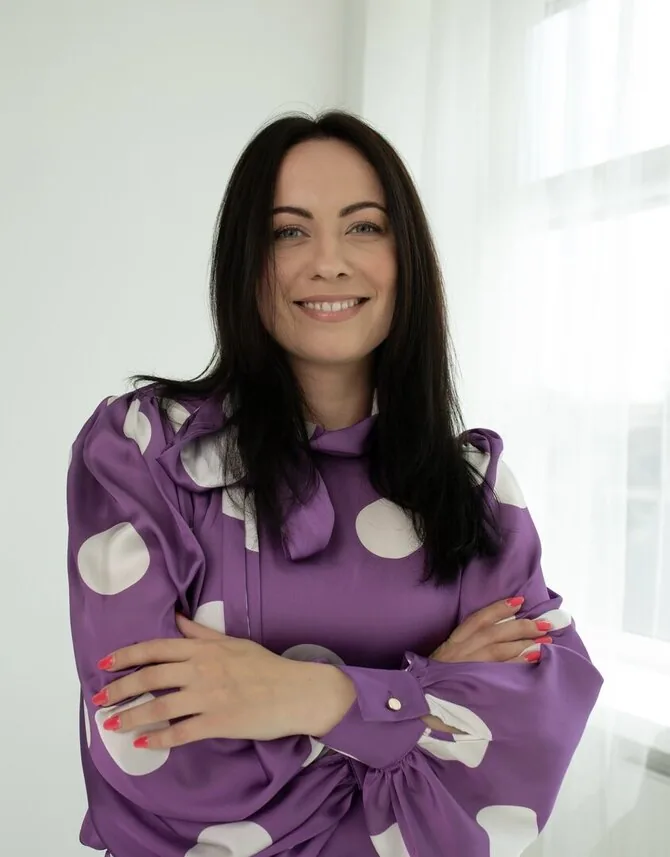
Psychologist Ania Žukaitė shares how things and their purchase can be related to our psychology, what lies behind the constant desire to buy, and the new ways social status is demonstrated, saying that today status shows not only what things a person has but also what experiences they can afford.
Cars are replaced by travel and mindfulness
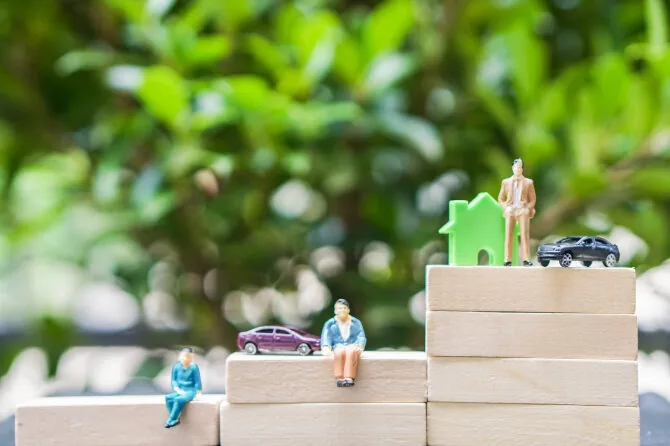
According to the psychologist, people used to demonstrate their status with clearly visible items – from cars to housing or watches and branded clothes. Today, status symbols are subtler and more psychological, related not only to things but also to lifestyle. Status can be shown through travel, body care, aesthetic homes, wellness, mindfulness, sustainable choices, or even the demonstrative rejection of excessive consumption. In other words, a person can communicate their social status not only through what they buy but also through what they consciously choose not to buy.
An item today becomes an answer to “who am I?” It is part of attracting attention.
Status now shifts not to things but to the demonstration of experience, taste, self-control, and identity. Today, social networks strongly influence social comparison. Influencers and their content often encourage FOMO, imitation, and the desire to acquire certain items, especially those associated with status.
Social status is no longer measured only objectively; it is increasingly experienced subjectively. In other words – do I appear successful enough, which arises from certain needs – to be seen, heard, understood, and accepted in society and the environment. This is a strong psychological influence encouraging us to buy, consume, and be accepted in a certain environment.
What do we hide behind shopping?
As psychologist A. Žukaitė notes, consumption in society has increased, as confirmed by research. This is related to our activity in social spaces; purchases are encouraged by influencers not only through things but also certain states – attitudes to life, ways, styles, and the aesthetics they demonstrate, etc.
In the project “Change the attitude, not the things,” organized by the Environmental Project Management Agency under the Ministry of Environment, we will share real stories about how to preserve things and help them live not only a second but many more lives.
Participate in the contest:
Participate and win: show how old clothes become new
“An item today becomes an answer to ‘who am I?’ It is part of attracting attention. For example, an eco-friendly water bottle, unique interior, electric car, or cosmetics can act as a social signal. This is not always bad. The problem begins when things become a support for self-worth, when it is believed that I am valuable only as much as I can show. Here I want to emphasize that things or lifestyle are not a bad choice, but it is important that we choose them not out of inner lack or desire to show off, but for convenience, enjoyment, or quality of life,” notes the psychologist.
If there is a lot of anxiety and shame inside, consumption can become a quick way to feel better.
She explains that historically, we recently experienced a time when many things were inaccessible to us. Later, everything changed rapidly, and opportunities to buy increased, and buying became a symbol of freedom and success. Things in Lithuania do not always mean vanity – people buy things to create security for themselves, escape scarcity, and the desire to live well.
“There is a study that reveals that materialistic attitudes differ by age, education, and subjectively perceived income. People with lower incomes were more likely to seek material ownership. So, the problem with things and their purchase arises when a person tries to fill their self-worth with them. Things themselves can perform certain psychological functions – provide a sense of security, help belong to a group (and we all have this need), show identity. If there is a lot of anxiety and shame inside, consumption can become a quick way to feel better,” warns the psychologist.
She adds that this feeling is short-lived, and then a new purchase and impression are needed again.
Are we becoming overly consumerist?
According to the psychologist, she could not categorically say that the majority of society has become consumerist, but it is healthy to ask oneself a few questions when buying. For example, am I buying because I need it and it will improve my quality of life and well-being; or because I want to show off to others, brag?
Things themselves are not the problem. The problem arises when we try to prove our worth through them.
“Chasing and proving status is not the right choice, but a significant part seeks exactly that. Looking at global trends, the answer is clear – consumption is growing, but whether it will grow in the future is hard to say. Here mindfulness plays a role, which, by the way, is also a form of consumption and status display. For some, it may encourage consuming here and now because life seems uncertain, and for others – on the contrary, encourage rethinking what is truly important: security, relationships, health, quality, not quantity. So everything depends on our own attitude. Changes are happening now, and only in the future will we see where everything is headed,” explained A. Žukaitė.
“Things themselves are not the problem. The problem arises when we try to prove our worth through them. The more a person feels sufficient inside, the less they need to constantly confirm it externally,” summarizes A. Žukaitė.
What does the ability to renew what one already has give a person
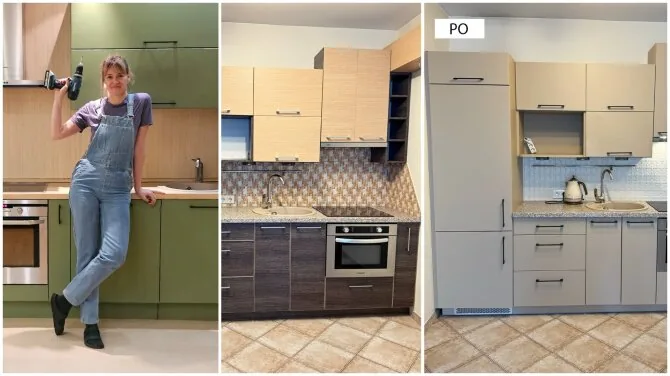
Vainora Blaškevičiūtė shares her experience of why renewing things is important for many reasons. She says she is inspired by the fact that these tasks can be done very quickly, save money (buying new furniture costs much more), and also help express personality and adapt furniture to the interior.
“I have visited many thrift stores, and when traveling and staying in apartments, I have encountered interiors created by the owners themselves, where you can see old and new furniture together. I was surprised how well an old, completely unrenewed peeling piece of furniture can look next to a new one. This became an inspiration for me as well,” says Vainora, who has gained many skills on the path of renewal and today can easily do several tasks, including repainting walls.
She adds that the freedom to use all tools and the ability to change her home as she wishes is a great form of self-expression and allows creating unique homes with very minimal conditions.
“The ability to create and constantly change homes is interesting; it does not bind or obligate you. I do not think that once you create an interior, you will be satisfied with it for ten years. The ability to renew when needed gives a sense of freedom and peace,” says Vainora.