Spread throughout Lithuania
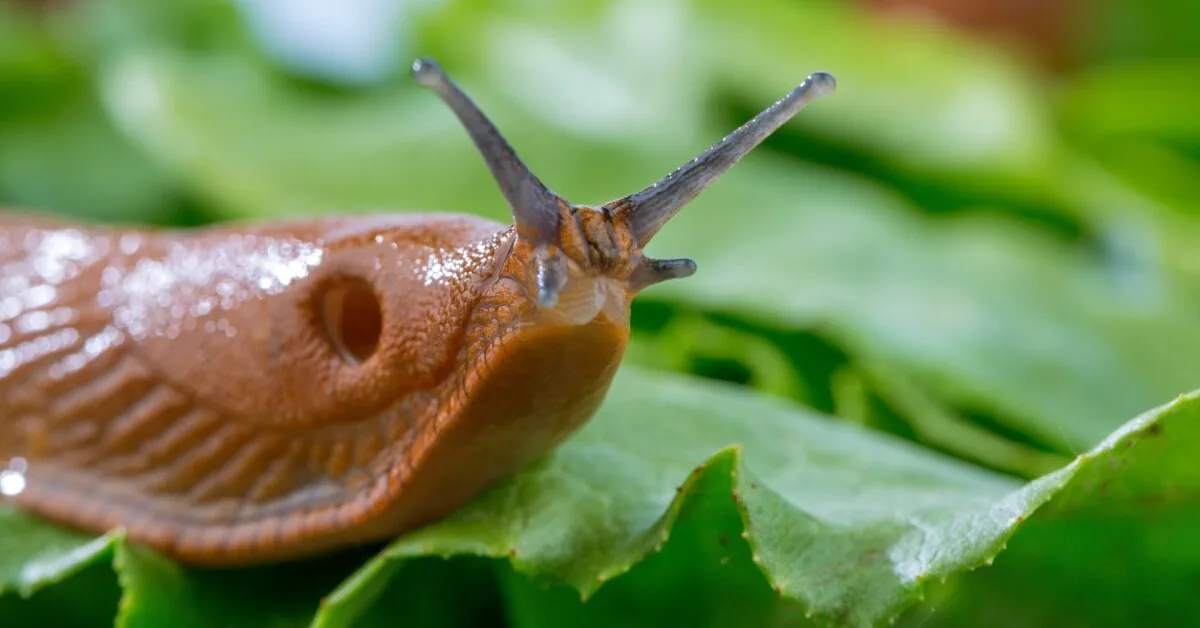
The Spanish slug is a large slug measuring 7–15 cm in length, usually brown or yellowish in color. The upper side of the body of adult individuals is usually uniform in color, while juveniles may have dark stripes on the sides of their bodies. The easiest way to recognize them is by their eye stalks, which remain black in both juveniles and adults, according to a press release from the Ministry of Environment.
Read more „Maximoje“ – up to 25% lower regular fresh pork by weight prices
They are widespread throughout the territory of Lithuania, often found in large city parks, green areas, as well as gardens and vegetable patches, since their initial spread is often related to gardening. From these places, Spanish slugs later spread to natural habitats, where they now pose a threat to native species.
Since these slugs are hermaphrodites, each individual can reproduce; they are very prolific – one slug can lay up to 500 eggs up to 5 mm in diameter per year.
Eradication is mandatory but not easy
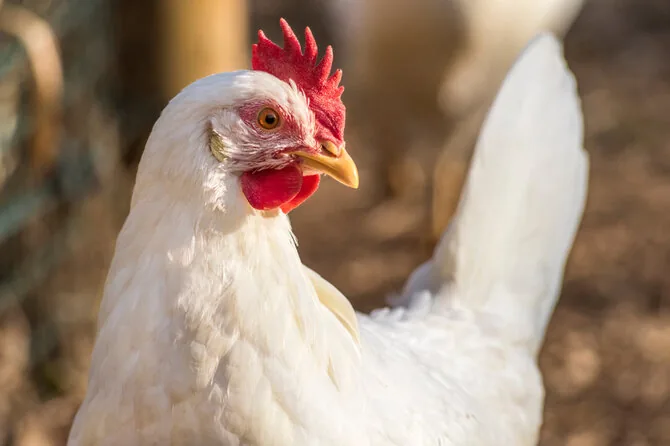
Driving these slugs out of gardens, vegetable patches, and green areas is not easy. Spanish slugs have natural enemies – birds, hedgehogs, ducks readily eat them, and young ones are eaten by chickens. However, it is recommended to use integrated measures to eradicate slugs: collecting them, using molluscicides, mowing the grass, managing their breeding and hiding places, setting traps, responsibly disposing of green waste, and monitoring the composting site if you have one.
Collected slugs must be neutralized; they must not be released into the environment under any circumstances. Salt is suitable for neutralization, or they can simply be left tightly sealed in a container in direct sunlight, where they will die on their own.
The best time to collect slugs is early in the morning or late in the evening, as well as on cloudy days and after rain. During the day, especially if it is dry, they are difficult to spot because they hide.
Slugs also lay eggs in damp places – green waste, compost heaps, under mulch, clods, or tiles, so to get rid of them, it is necessary to tidy up such places on your property.
Read more Accident near Saugos: swimming in the forest lake turned into a drama
These slugs can also be trapped using special traps with bait. For example, placing covered plastic containers (leaving a 1–2 cm gap at ground level so slugs can crawl in) with sour compote, in which the slugs will drown. Another method is to use a wooden board or a damp piece of fabric and place bait (e.g., pumpkin or other spoiled food) underneath. It is important to monitor that traps do not overflow. They must be checked daily and any slugs found destroyed.
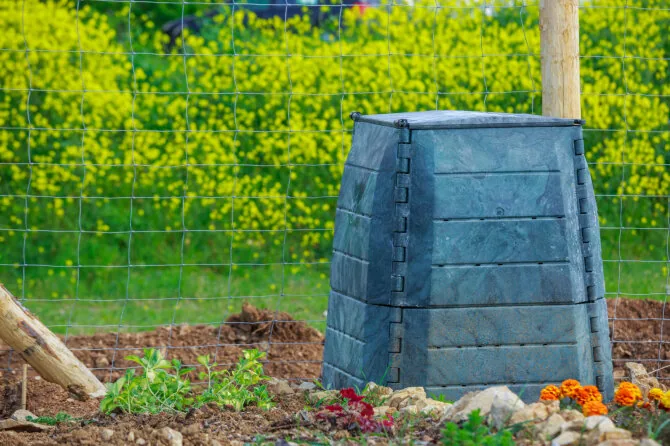
If invasive slugs are present on the property, attention should be paid to compost and organic waste piles; if they are kept open, these are places where slugs can successfully hide, feed, reproduce, and overwinter.
To stop the spread of Spanish slugs, it is very important to control the transport of live plants and soil. Newly purchased potted plants should not be planted immediately next to other plants. It is recommended to keep them separate for a while and carefully inspect them, especially the bottom of the pot, drainage holes, pot edges, and substrate. Slugs, their juveniles, or egg clutches may hide in these places. It is useful to inspect the plants again in the evening or after watering when slugs become more active.
Funding allocated for slug eradication
The Ministry of Environment has initiated a joint project funded by the European Union called “Eradication and Control of Invasive Species,” administered by the Environmental Project Management Agency.
During the joint project, six invasive species will be eradicated, including the Spanish slug. About 440 thousand euros have been allocated to the joint project implementers for eradicating this species.
Read more EC presented the electrification action plan, ATLPS review