





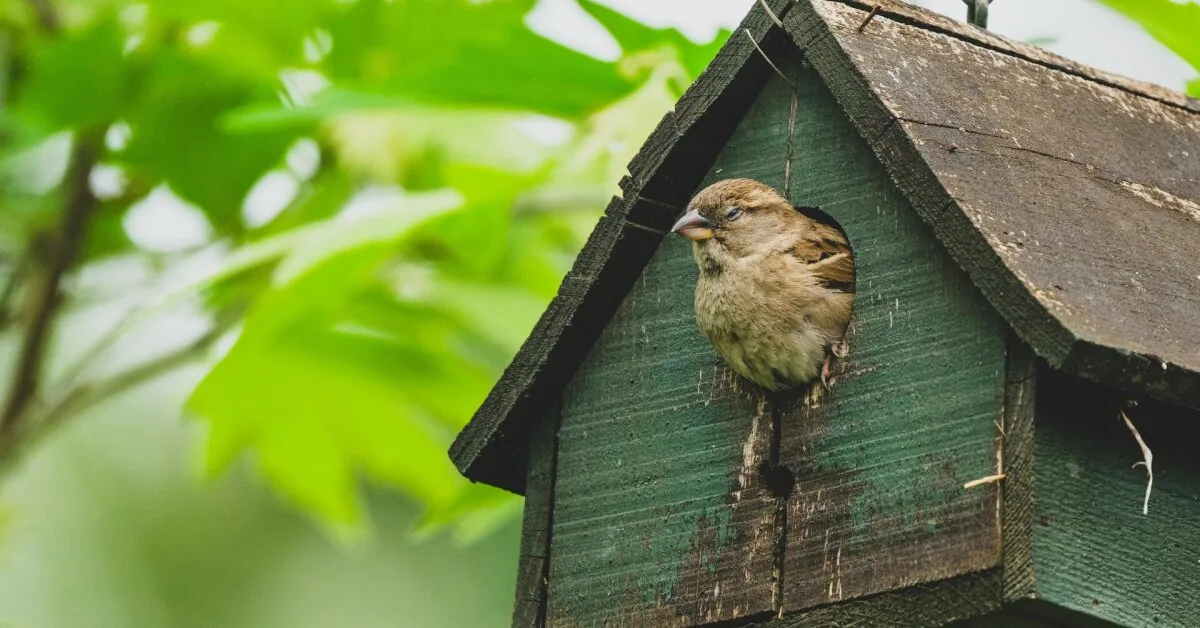
Birds do not perceive glass as an obstacle – they see the sky, trees, and the way forward in it, so they often injure themselves or die when they collide with it. The social project “Glass Bird,” initiated by the Tadas Ivanauskas Zoological Museum in Kaunas and the Ministry of Environment of the Republic of Lithuania, aims to draw public attention to this problem. Well-known Lithuanian figures have also joined the project, according to a press release.
Read more Police showed how cars are «tested» on the highway: speed reached 231 km/h.
The video clip specially created for the project features naturalist and writer Selemonas Paltanavičius, advertising specialist and social activist Dovilė Filmanavičiūtė, and journalist and traveler Orijus Gasanovas. The initiative’s participants invite everyone not to remain indifferent and to help save lives.
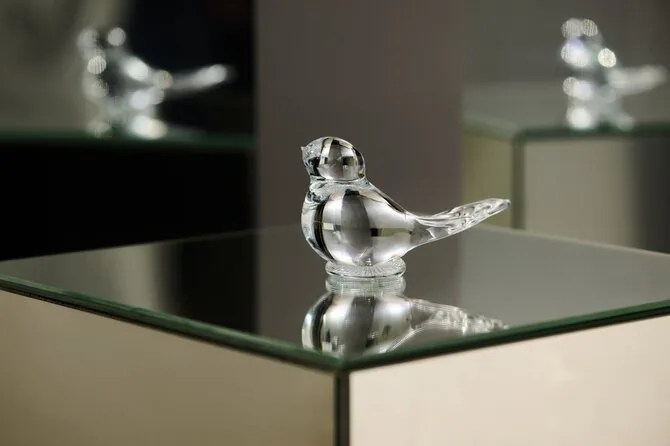
“Every year, many birds die due to collisions with glass, but a significant part of the public still does not know the true scale of the problem or that everyone can contribute to its solution. With this initiative, we want to help people recognize the danger in their environment and show what solutions can protect birds,” says Diana Ferencaitė-Arštikaitienė, head of the Communications and Visitor Services Department at the Zoological Museum.
The most dangerous are not only glass skyscrapers
Birds do not recognize glass as a physical barrier. A transparent window may seem to them like an opportunity to fly through a building, and the trees, bushes, or sky reflected in it appear as a natural continuation of the environment. Because of this, birds do not reduce their flight speed and collide with the glass with full force.
According to Saulius Rumbutis, head of the Scientific Curation Department of Collections at the Zoological Museum and an ornithologist, the myth that most birds die by colliding with tall glass skyscrapers is still widespread. The majority of collisions occur at heights less than 30 meters – near small and medium-height buildings and residential houses surrounded by vegetation. Large display windows, corner windows, glass corridors, balcony railings, bus stops, and other transparent structures can also be dangerous.
According to S. Paltanavičius, the greatest dangers to birds during migration arise precisely from human activities: “Birds increasingly die or get injured by colliding with tall buildings, especially glass ones, or by collisions with vehicles. Of course, some losses are also caused by natural factors, but in nature, such losses are essentially compensated by the number of offspring raised according to each species’ breeding strategy. However, it is necessary to talk about the dangers we cause. We need not only to talk but also to learn, educate people, and take actions that would help birds.”
He notes that a comfortable life often makes people indifferent to what is happening in nature, so it is worth first looking inward.
Read more 50 mln. euro investment planned by “RSI Europe” CEO: we will move to mass production
“It is worth approaching the mirror – maybe there we will see a differently minded person who still cares about something. For example, birds,” says S. Paltanavičius, who joined the campaign.
One silhouette on the window is not enough
Birds can be protected with simple but properly applied solutions. First, it is worth inspecting the building’s windows and assessing which of them clearly reflect the sky and vegetation, as well as whether the other side of the building is visible through the windows. If injured or dead birds have already been found near a particular glass, it is a clear sign that the surface needs to be marked.
As D. Ferencaitė-Arštikaitienė states, a single silhouette of a bird of prey is not an effective enough protection – birds try to fly past it. For the glass to be perceived as a solid barrier, a dense protective pattern, special films, nets, or other measures installed on the outside are needed.
“Every house is unique, so the measures that can reduce its danger also differ. But the most important thing is to start caring about it – to contact the building administrator or owners and ask when bird protection will begin. If such accidents were reduced by half during the autumn, we could believe we have done a huge job,” notes S. Paltanavičius.
A bird that has flown away does not necessarily survive
A bird that flies away after hitting a window is not necessarily healthy. Some birds suffer internal injuries and die later, and studies show that about 60% of birds undergoing rehabilitation do not survive. Birds that are stunned and fall to the ground also become easy prey for cats and other predators.
Therefore, the initiative’s organizers urge not to wait for an accident and to ensure in advance that dangerous glass surfaces are visible to birds. It is also recommended to dim bright lights at night and place feeders at a safe distance from windows.
Read more Ukraine: Tanzanian ship captain killed in Russian strike