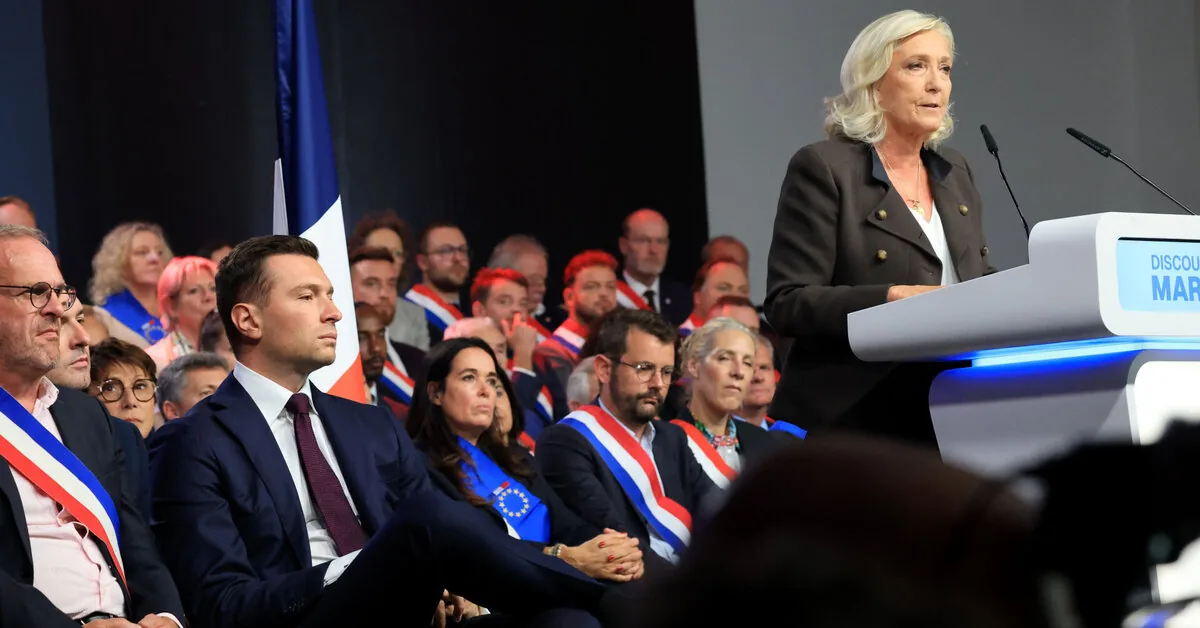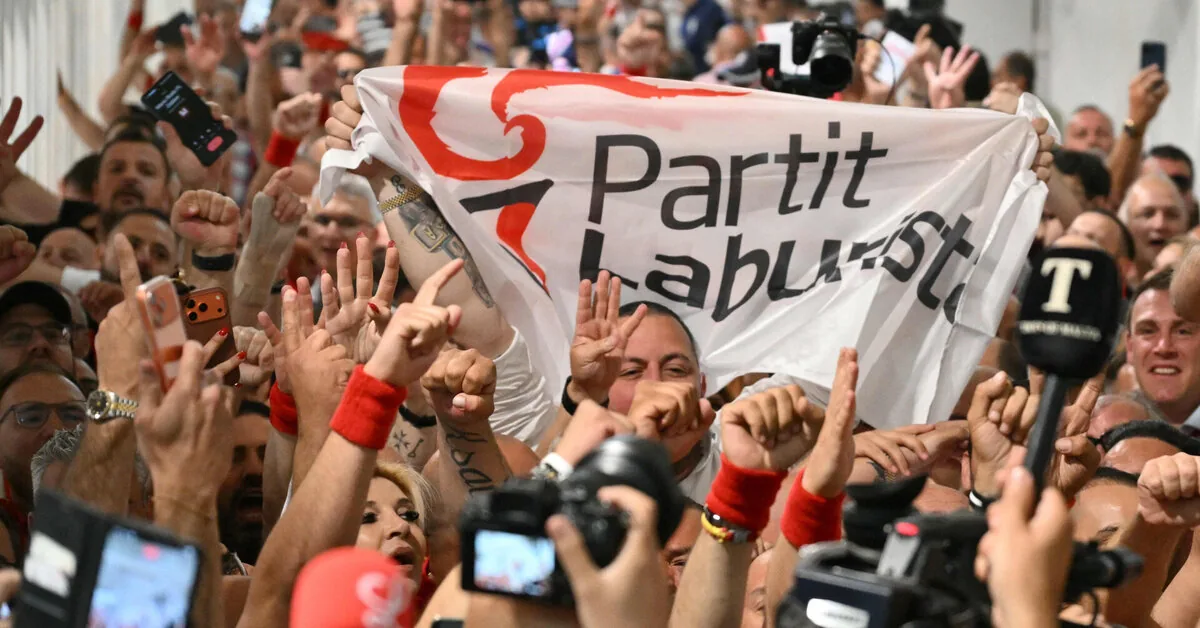
Preliminary results show that voters gave victory in the elections to the Labour Party, officials from the Naxxar counting hall reported, and fireworks were allowed on the small Mediterranean island.
“I have been voting for the Labour Party since I was young, I am glad they have made their mark in history,” 73-year-old Margaret Camilleri told the news agency AFP, passing by a truck with Labour Party supporters, from which the song “We are the Champions” was playing through loudspeakers.
48-year-old R. Abela called early elections, stating that the government needs a new mandate to protect the small, import-dependent island from the crisis in the Middle East.
Although Malta’s economy grew by 4% last year, there are concerns that the conflict may affect tourism due to rising aviation fuel prices and could increase inflation.
R. Abela based his campaign on the Labour Party’s economic achievements since 2013, promising stability during uncertain times.
His main rival was the Nationalist Party (PN) candidate Alex Borg, a 30-year-old lawyer and beauty pageant winner, who urged Maltese people to vote for change.
R. Abela has led Malta since 2020, when his predecessor resigned following a political crisis triggered by the 2017 murder of journalist Daphne Caruana Galizia, who exposed corruption at the highest level of the country.
According to the 2025 Council of Europe report, Malta still lags significantly in the fight against corruption, but this issue was not particularly relevant in the election campaign.
Population growth
Malta’s economic results outweighed other concerns.
Located near the coast of Sicily, Malta is the smallest and most densely populated country in the European Union (EU), with about 550,000 people living in an area of 316 sq km.
Read more From Merūnas – a harsh blow to a stage colleague
The island’s economy thrives on tourism, online gambling, and financial services, and the unemployment rate is one of the lowest in the EU.
However, despite low birth rates, the population has grown by almost 30% over the decade, mainly due to foreigners.
This has sparked a construction boom, cranes have filled the skies, traffic jams have formed, and the burden on key services has increased.
Heritage groups have condemned environmental destruction and the threat to UNESCO World Heritage sites in the former UK colony.
The country has very few natural resources and imports most of its energy, making it vulnerable to external shocks.
The Labour Party heavily subsidizes energy bills, and the Nationalist Party said it would do the same if elected.
Malta is also on the frontline of climate change, facing desertification and drought, but neither of the main parties considered this issue a priority.
The Green Party ADPD operates in the country, but no third party has held a seat in the Maltese parliament since before independence was declared in 1964.
Read more Invitation to the Lithuanian National Team for Šarūnas Jasikevičius’s Son