While probiotics, detox programs, and restrictive diets are constantly promoted as a quick path to a “healthier gut,” it is not always easy to distinguish helpful advice from wellness fads.
Read more After the stormy show at Vingis Park – Jessica Shy’s first reaction
We spoke with gastroenterologists about habits they wish people would reconsider. Some of these seem surprisingly simple, while others relate to popular gut health strategies that may be unnecessary or even counterproductive. Here are four things specialists urge you to stop doing, and what to choose instead, writes “EatingWell.”
1. Having a heavy dinner right before bed
If you often experience heartburn at night, pay attention to how much time passes between dinner and lying down. A full stomach increases the likelihood that its contents will flow back into the esophagus, and this process can intensify when lying down.
In gastroesophageal reflux disease (GERD), this can manifest as heartburn, regurgitation of food or stomach acid, or a sour taste in the mouth when lying down. The American College of Gastroenterology recommends that people with GERD avoid eating 2–3 hours before sleep.
“Large portions right before bed prevent the stomach from emptying properly, which can worsen reflux, bloating, and fatigue,” says Dr. Savita Srivastava.
She recommends finishing dinner about three hours before sleep and staying upright for a while afterward.

If heartburn recurs so often that you constantly need to take antacid medications or change your sleeping position to reduce symptoms, it is worth discussing this with a doctor. Frequent reflux may be a reason to get tested rather than self-treating for a long time.
2. Assuming you definitely need probiotic supplements
The word “probiotics” on a package tells surprisingly little about the effect a specific product will have. Different probiotic strains have been studied for different digestive issues, so two supplements placed side by side on a store shelf may have completely different scientific evidence backing them.
A higher number of probiotic strains or a greater colony-forming unit (CFU) count does not necessarily mean the product will help solve the symptom bothering you.
“The strains in probiotics vary depending on the specific human condition, so you cannot assume that the benefits of one product apply to all products sold as gut health supplements,” says Dr. Edmundo Rodriguez-Frias.
Research shows that some probiotic strains may help alleviate digestive symptoms, but the effect depends on the specific strain and the condition being treated. In other words, a study showing that one probiotic strain can reduce abdominal pain or bloating does not automatically mean another strain will have the same effect, even if both products are sold as probiotics.
If you are considering taking probiotics, specialists recommend consulting a healthcare professional to determine whether you need them at all and which type might be most suitable.

3. Staying on a strict diet for too long
If avoiding certain foods reduces bloating or abdominal pain, there may be a temptation to continue avoiding them. However, when following an elimination diet such as a low FODMAP diet, food avoidance should help identify which foods cause symptoms.
Once your condition improves, foods should be systematically reintroduced into the diet. This helps determine which FODMAP carbohydrates the body actually reacts to and which can still be eaten.
Read more In Šilalė district, a fisherman pulled a gruesome find from the pond
This reintroduction phase can significantly reduce the number of foods that ultimately need to be avoided. Studies show that many people following a low FODMAP diet do not need to permanently avoid all FODMAP foods.
People with irritable bowel syndrome may react only to some FODMAPs and tolerate others. Therefore, the reintroduction phase is very important.
Dr. E. Rodriguez-Frias expresses concern about the attitude that everyone needs “cleansing” or a strict elimination diet. Staying too long in the strictest phase of the diet can lead to unnecessarily avoiding foods the body actually tolerates. This reduces not only dietary variety but also its nutritional value.
Moreover, it can affect the gut microbiome. Studies show that a low FODMAP diet can reduce the amount of some beneficial bacteria, including bifidobacteria.
This does not mean that a low FODMAP diet is inherently harmful to the gut microbiome, but it is another reason to reintroduce tolerated foods into the diet rather than staying on the strictest version indefinitely.

4. Doing “gut cleansing”
“Cleansing” or detox diets are often advertised as a way to “reset” the gut, but they are unlikely to solve the underlying reason you feel unwell in the first place.
Some of these programs simply encourage more frequent bowel movements by using laxatives, enemas, or colon cleansing. This can create the impression that something harmful has been “removed” from the body.
Dr. S. Srivastava particularly warns against juice diets and so-called detox teas.
The U.S. National Center for Complementary and Integrative Health notes that there is little evidence that detox or “cleansing” programs remove toxins from the body. Some of these can even cause problems themselves.
Products containing laxatives can cause diarrhea and dehydration, and colon cleansing procedures carry risks such as electrolyte imbalances. In rare cases, the colon can be damaged.
If you resort to “cleansing” because of constipation, bloating, or other recurring symptoms, it is likely safer to address the specific problem with a healthcare professional.
What else can you do for gut health?
Gut health generally depends more on consistent daily habits that support normal digestive function than on special products.
Instead of looking for quick fixes or following very restrictive diets, specialists recommend focusing on simple habits.
Read more The number of people missing due to floods in Nepal and China has risen to nearly 3,000.
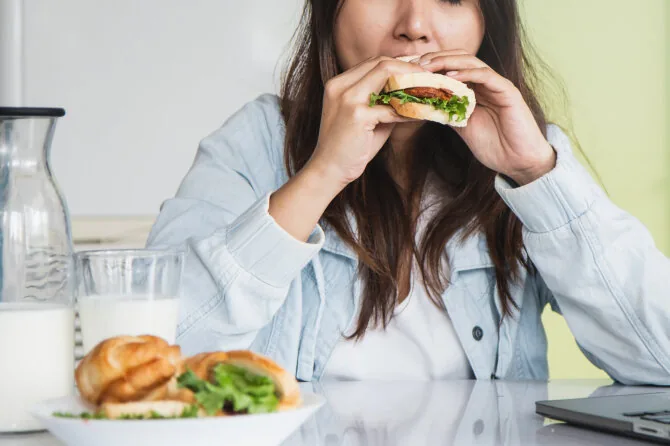
- Gradually increase fiber intake. Fruits, vegetables, whole grains, beans, lentils, nuts, and seeds can be good sources of fiber. If you currently consume little fiber, increase the amount gradually. Increasing fiber too quickly can worsen gas buildup and bloating.
- Drink enough fluids. Fluids help fiber attract water, making stools softer and easier to pass. Fluid needs depend on body composition, physical activity, health status, and environment.
- Move regularly and don’t delay going to the bathroom. Physical activity can help prevent constipation, and consistently ignoring the urge to defecate can contribute to it. Specialists recommend responding to the body’s signals rather than constantly suppressing them.