Whether you are looking for a quieter alternative to Barcelona or want to trade noisy London for a slower and calmer travel pace – these cities allow you to better experience local life, the country’s heritage, culture, and cuisine, avoiding tourist crowds.
Read more «Rytą» was joined by the American who wronged Vilnius residents in the Champions League
What is a “second city”?
These are cities located outside the most popular tourist centers of the country. Although they often go unnoticed, they offer a more authentic experience of local culture and unique experiences.
While the term might initially suggest the second largest or most well-known city in the country, today it is used much more broadly – referring to lesser-known but noteworthy destinations.
Here you will more often find family restaurants, small art galleries, local farmers’ markets with fresh produce, and stunning natural views.
Moreover, in such places, you don’t have to fight for a spot in a favorite restaurant or push through crowded streets. Instead of tourist quarters, you can discover real city neighborhoods and the daily life of locals.
Another advantage – second cities are often much cheaper. Accommodation, food, and entertainment usually cost less.
The best second cities in Europe
From gastronomy and creative centers to picturesque coastal towns – here are ten European cities worthy of being at the top of your travel list.
Split, Croatia
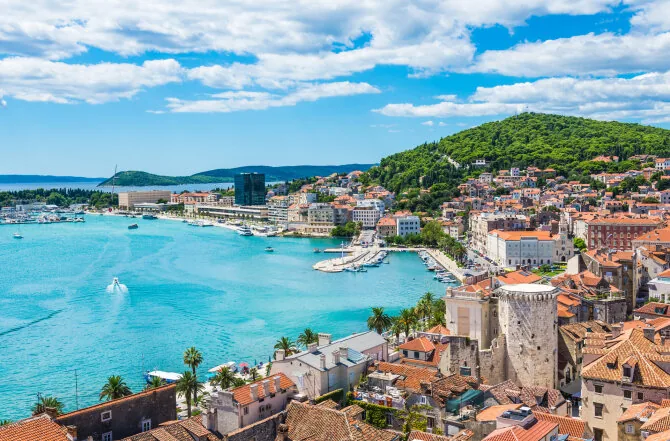
Split captivates with the well-preserved Diocletian’s Palace, where over 2,000 years of history blend with the rhythm of Mediterranean life.
Visitors can wander through Roman streets leading to seaside promenades and cozy cafes.
Unforgettable city panoramas open up after climbing the restored bell tower of St. Domnius Cathedral.
The city is also famous for its beaches, bike paths, spas, and wellness services, allowing you to combine relaxation and exploration in one trip.
Cork, Ireland
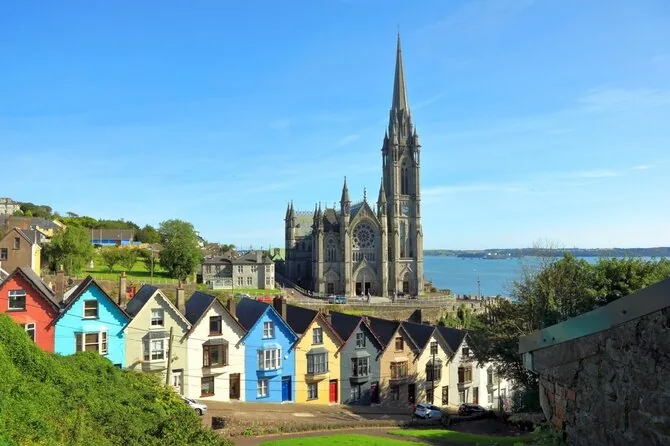
Located in southwest Ireland, Cork surprises with how much you can see in its compact city center.
It’s worth visiting the historic English Market, operating since 1788. Here, fresh fish, sweets, spices, fruits, and vegetables are sold.
From the market, you can walk along the main St Patrick’s Street to Fitzgerald Park, next to which is the Cork Public Museum.
Cork is also an excellent starting point to explore colorful southern Irish ports, the Atlantic coast, and impressive sea cliffs.
Graz, Austria
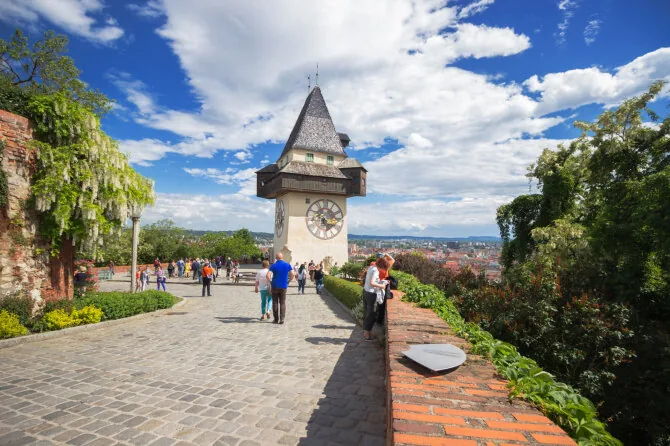
Graz is a city of Renaissance courtyards, unconventional architecture, and excellent gastronomy. You can ascend the famous Schlossberg hill by the historic funicular Schloßbergbahn, operating since 1894. For just 3.30 euros, impressive views of the old town open up.
Read more The opened Lion’s gates will be special for 4 birth months: life can change dramatically
Another city symbol is the futuristic floating island Murinsel, which houses an amphitheater and a café.
Hamburg, Germany
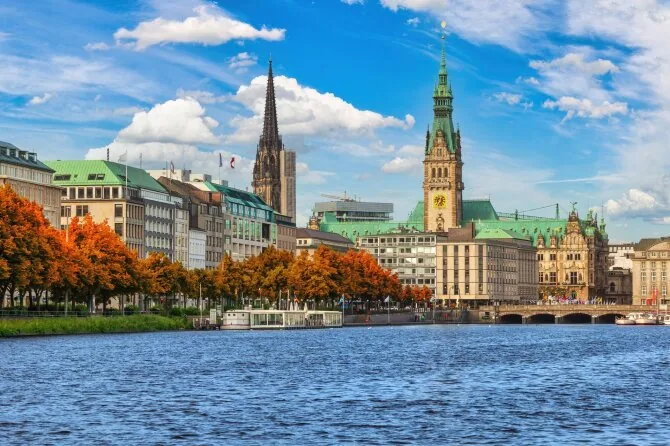
Germany’s largest port city is famous for its maritime history and vibrant street art scene. Districts like St. Pauli, Schanzenviertel, and Karoviertel are full of impressive murals and art installations.
If Berlin is known for its “currywurst” sausages and Bavaria for pretzels, Hamburg’s calling card is the fish sandwich. Herring, mackerel, or crab in a soft bun is one of the most popular local snacks.
Brno, Czech Republic
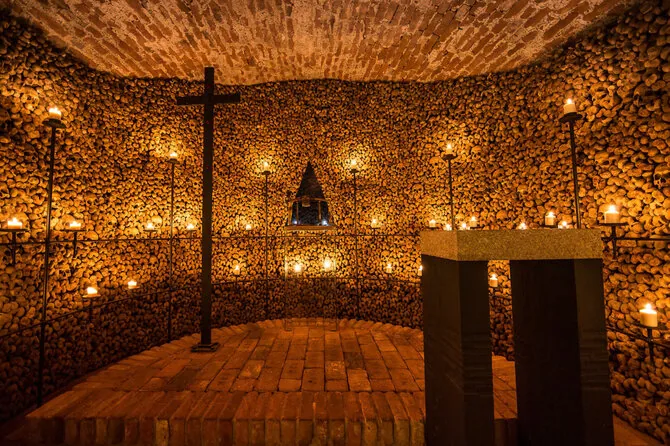
Although often overshadowed by Prague, Brno hides impressive medieval heritage and underground labyrinths. From Špilberk Hill, there is a view of Špilberk Castle, which houses the city museum and hosts concerts and festivals.
Under the city streets, you can explore historic underground tunnels and water reservoirs, including the Žlutý Kopec water storage facilities.
Ypres, Belgium
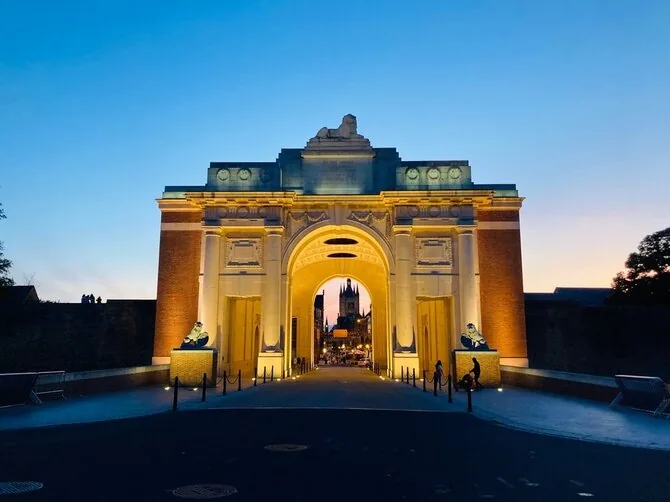
Located in Flanders, Ypres is inseparable from World War I history. The Ypres Museum tells the city’s eleven-century history through archaeological finds, maps, and crafts.
The city is also popular with cyclists and hikers – routes pass through preserved trenches, memorials, and green landscapes.
Cambridge, England
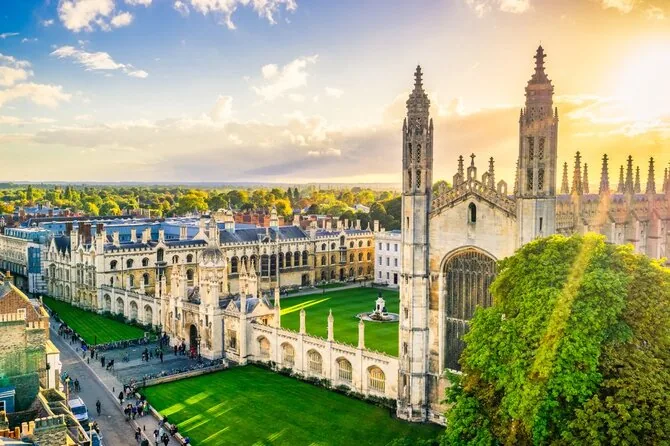
Although Cambridge is best known for its ancient university, it is worth much more than a one-day trip from London. The River Cam flows through the city, where you can peacefully boat in traditional punts and admire the famous university gardens.
The city is full of independent bookstores, museums, and parks. On Saturdays, it’s worth visiting the All Saints Garden market, where art, jewelry, and ceramics are sold.
Thessaloniki, Greece
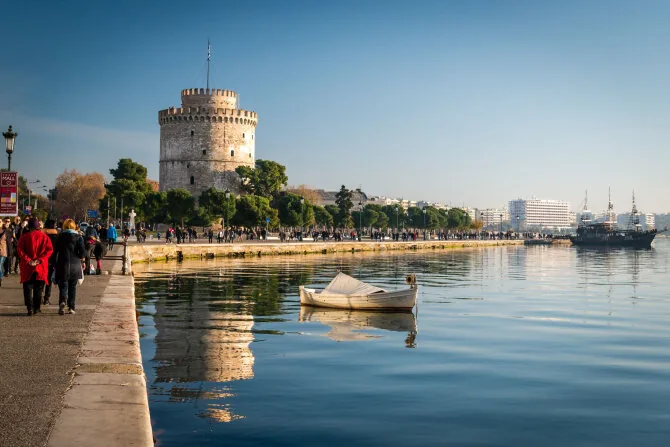
Thessaloniki combines Byzantine churches, Roman ruins, and a cozy seaside promenade.
Among the main attractions are the Arch of Galerius, Aristotelous Square, and the famous White Tower.
Local delicacies you must try include:
- koulouri – sesame bagels;
- bougatsa – puff pastry pie;
- trigona – crispy cream-filled pastries.
Basel, Switzerland
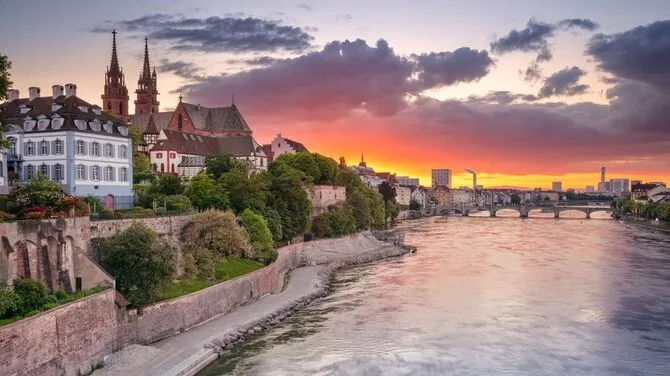
Basel is located where Switzerland, France, and Germany meet, making it one of Europe’s most important art centers.
It is home to the famous art fair Art Basel, and the Kunstmuseum Basel houses the world’s oldest public art collection, dating back to 1661 and comprising more than 300,000 works.
The city on the Rhine also allows easy visits to neighboring countries.
Lille, France
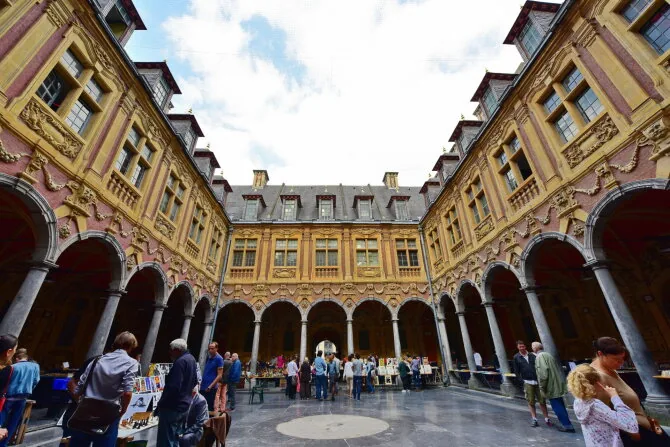
Lille’s Flemish heritage is reflected in both its architecture and cuisine. The city is adorned with elegant squares, colorful historic houses, and an active cultural life.
The cobbled streets of the old town Vieux-Lille lead to the picturesque Quai du Wault waterfront – a great spot for a picnic or sunset after a day of sightseeing.
Read more Cauliflower has never been so delicious: try this marinade
Prepared based on Euronews.com