We share a text about how to behave safely when encountering hornets and why their nests should not be removed by yourself, according to a press release.
Hornet season: when do they become dangerous?
A striped insect lands on a table at an outdoor café and the conversation instantly stops – someone pulls their hand back, someone jumps up. The instinct works the same regardless of what actually flew in, but not every yellow and black striped insect can sting, and even those that can do not necessarily look for an opportunity to attack. At the end of summer, when hornet colonies reach their peak in numbers, it is more important to understand when the insect truly becomes dangerous and how to behave if you find its nest.

Not all striped insects are equally dangerous
There are several species of hornets living in Lithuania, and stings from some of them can be dangerous to humans, says Liutauras Grigaliūnas, a biologist and pest control expert at “Dezinfa”.
“People usually recognize bees easily, but there is more confusion with other yellow and black striped insects. For example, hoverflies resemble hornets in appearance, although they do not have a sting at all and are not dangerous to humans. On the other hand, the hornet hornet, much larger than a wasp, often looks threatening due to its size, but that does not mean it is more aggressive. True, hornets and hornet hornets can sting and do so multiple times because they do not leave their stinger behind, but they usually do not attack humans without reason,” notes L. Grigaliūnas.
Why do hornets increase around us at the end of summer?
At the end of summer, it may seem that hornets become more persistent or even aggressive, although often they are just more determined to find food. As autumn approaches, their colony’s life cycle and food needs change – hornets need carbohydrates: they are especially attracted to ripe fruits, various drinks, or other sweet food products.
There is another reason: in spring, the overwintered queen starts building a new nest and raising the first workers, and the colony expands throughout the summer. In August and September, it reaches its peak – hundreds or even thousands of insects can live in one nest.
What to do if hornets attack?
Interestingly, studies with some hornet species have shown their ability to visually distinguish individuals and remember complex images. However, this does not mean that a hornet living near a house will remember a specific person and attack them the next time it recognizes them.
Much more important is how the insects react to the immediate threat they feel here and now. They especially actively defend their nest.
Read more Stormy weather will reach Lithuania: some areas will see very heavy rain
“Hornets living in a community communicate with each other by releasing specific substances that help them react even in danger – they signal to each other that it is time to defend, so you should not wave your hands near the nest, as sudden movements can provoke a hornet attack. If they attack, try to retreat as quickly as possible to an enclosed space: get into a car or hide in another closed place where hornets cannot enter,” advises L. Grigaliūnas.
Why is it better not to remove the nest yourself?
Hornet nests are a true engineering marvel, made from chewed wood mixed with saliva, which turns into a paper-like structure with many layers and corridors.
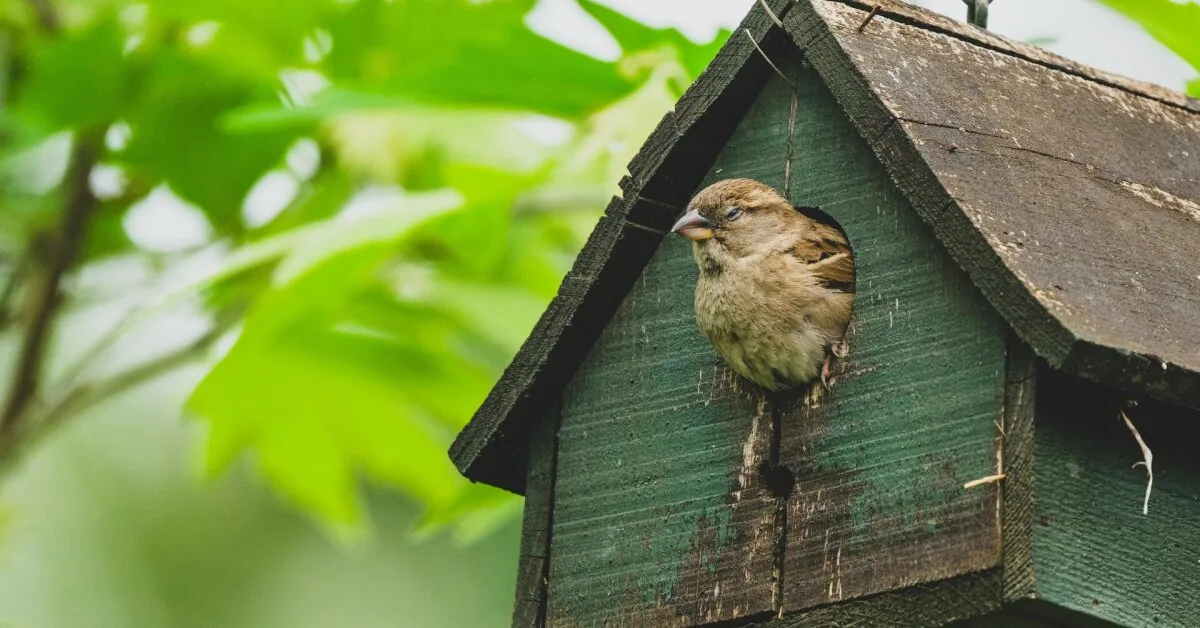
“The largest nest I have had to remove in my work experience was bigger than a 10-liter bucket. Interestingly, nests are not always round – flat structures also occur. They can be found on balconies, attics, under the metal sheets of multi-story buildings, in birdhouses, swings made from car tires, and even in a left outdoor bag,” the biologist explains.
L. Grigaliūnas considers the most dangerous cases to be when nests are located in school or kindergarten grounds or near popular recreational areas.
“It is never recommended to remove nests yourself – attempting to destroy a nest independently can provoke a massive defensive reaction from the hornets. To do this safely, you need to understand hornet biology, have appropriate clothing, equipment, etc. Otherwise, there is a high risk of being severely stung. A sting usually causes pain and swelling, and for allergic people, it can cause a severe allergic reaction that can be life-threatening,” says the expert.
In outdoor terraces, rest areas, and other places where hornets often fly close to people, special non-toxic traps can be used – the bait inside attracts the insects and helps reduce their numbers around people.
Read more Unpunished internet rooster attacked Rasa Tapinienė: is it really impossible to do anything?